

Perdagangan
Dasar
Spot
Perdagangkan kripto dengan bebas
Perdagangan Margin
Perbesar keuntungan Anda dengan leverage
Konversi & Investasi Otomatis
0 Fees
Perdagangkan dalam ukuran berapa pun tanpa biaya dan tanpa slippage
ETF
Dapatkan eksposur ke posisi leverage dengan mudah
Pre-Market
Perdagangkan token baru sebelum di list secara resmi
Lanjutan
DEX
Lakukan perdagangan on-chain dengan Gate Wallet
Alpha
Points
Dapatkan token yang menjanjikan dalam perdagangan on-chain yang efisien
Bot
Perdagangan satu klik dengan strategi cerdas yang berjalan otomatis
Copy
Join for $500
Tingkatkan kekayaan dengan mengikuti trader teratas
Perdagangan CrossEx
Beta
Satu saldo margin, digunakan lintas platform
Futures
Futures
Ratusan kontrak diselesaikan dalam USDT atau BTC
TradFi
Emas
Perdagangkan aset tradisional global dengan USDT di satu tempat
Opsi
Hot
Perdagangkan Opsi Vanilla ala Eropa
Akun Terpadu
Memaksimalkan efisiensi modal Anda
Perdagangan Demo
Futures Kickoff
Bersiap untuk perdagangan futures Anda
Acara Futures
Berpartisipasi dalam acara untuk memenangkan hadiah besar
Perdagangan Demo
Gunakan dana virtual untuk merasakan perdagangan bebas risiko
Earn
Peluncuran
CandyDrop
Koleksi permen untuk mendapatkan airdrop
Launchpool
Staking cepat, dapatkan token baru yang potensial
HODLer Airdrop
Pegang GT dan dapatkan airdrop besar secara gratis
Launchpad
Jadi yang pertama untuk proyek token besar berikutnya
Poin Alpha
Perdagangkan aset on-chain dan nikmati hadiah airdrop!
Poin Futures
Dapatkan poin futures dan klaim hadiah airdrop
Investasi
Simple Earn
Dapatkan bunga dengan token yang menganggur
Investasi Otomatis
Investasi otomatis secara teratur
Investasi Ganda
Beli saat harga rendah dan jual saat harga tinggi untuk mengambil keuntungan dari fluktuasi harga
Soft Staking
Dapatkan hadiah dengan staking fleksibel
Pinjaman Kripto
0 Fees
Menjaminkan satu kripto untuk meminjam kripto lainnya
Pusat Peminjaman
Hub Peminjaman Terpadu
Pusat Kekayaan VIP
Manajemen kekayaan kustom memberdayakan pertumbuhan Aset Anda
Manajemen Kekayaan Pribadi
Manajemen aset kustom untuk mengembangkan aset digital Anda
Dana Quant
Tim manajemen aset teratas membantu Anda mendapatkan keuntungan tanpa kesulitan
Staking
Stake kripto untuk mendapatkan penghasilan dalam produk PoS
Smart Leverage
New
Tidak ada likuidasi paksa sebelum jatuh tempo, bebas khawatir akan keuntungan leverage
GSUD Minting
Gunakan USDT/USDC untuk mint GUSD untuk imbal hasil tingkat treasury

Lainnya


Topik Trending
Lihat Lebih Banyak40.62K Popularitas
42.65M Popularitas
8.52K Popularitas
414.51K Popularitas
272.36K Popularitas
Hot Gate Fun
Lihat Lebih Banyak- MC:$2.38KHolder:00.00%
- MC:$0.1Holder:10.00%
- MC:$2.36KHolder:10.00%
- MC:$2.38KHolder:10.00%
- MC:$2.4KHolder:20.07%




Sematkan
#原油价格飙升 Market demand and supply fundamentals are the most fundamental anchors in determining oil prices, while geopolitical factors are the main catalysts for short-term fluctuations. The recent surge in oil prices is dominated by geopolitical sentiment and channel blockade expectations, but the fundamentals of supply and demand have not reversed. In the long term, global oil supply and demand remain stable. Once the strait navigation resumes, the risk premium will quickly be unwound.
From the current situation, it is necessary to observe the conflict trajectory, intensity, and the duration of the Hormuz Strait blockade to determine where oil prices will go next.
If the conflict is limited, the strait is unblocked within 1–2 weeks, and shipping gradually resumes, Brent crude oil prices could rise to $80–90 per barrel. After several weeks, with OPEC (Organization of the Petroleum Exporting Countries) increasing production and the war ending, prices will quickly fall back to $70–75 per barrel, reflecting the supply and demand fundamentals, including a slight geopolitical premium.
If the conflict escalates further, with the strait being blocked for 1–4 weeks, tankers unable to pass, and oil exports from the Middle East halted, Brent crude prices could surge above $100 per barrel and fluctuate at high levels. In extreme cases, with full blockade and attacks on oil production facilities, and a supply gap of 15 million barrels per day persisting, Brent prices could spike to $120–150 per barrel or even higher, and last longer, potentially triggering a global energy crisis again. However, the probability of such a scenario is relatively low.
Based on the current market performance, market expectations for the continuity of this military conflict are not very strong, and there has been no violent surge or sharp increase. For example, on March 2, Brent crude briefly jumped to $82 per barrel during trading but closed back at $78 per barrel. This significant intraday correction indicates that market participants expect the blockade to be short-term, likely not lasting more than a month.
This is based on another consensus: that the US Trump administration will definitely not accept such high oil prices, as they aim to keep prices at a moderate to low level to serve their interests.
On the first day after Trump’s second inauguration, he signed an executive order implementing the first-ever national energy emergency in US history, explicitly stating that high energy prices have a serious impact on Americans, especially low-income and fixed-income groups.
Furthermore, as the world’s largest oil consumer and a country heavily reliant on transportation, the US public is very sensitive to oil prices. Even considering mid-term elections and efforts to curb inflation, maintaining oil prices at a moderate to low level remains a priority for the Trump administration. In late February, before military strikes, the average retail gasoline price (including tax) in the US exceeded $3 per gallon, which is the upper limit of the US public’s reasonable price expectation.
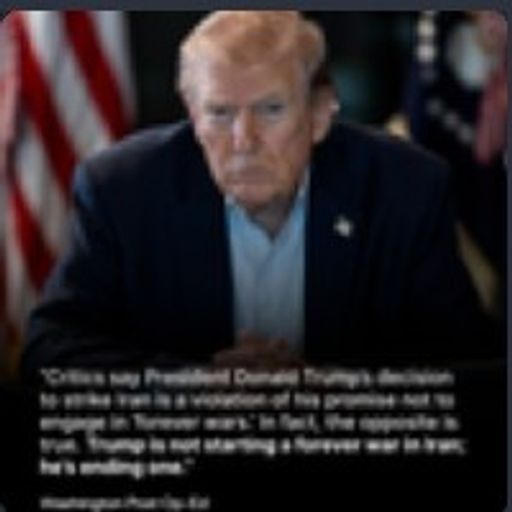
Therefore, it is highly unlikely that the Trump administration will allow oil prices to spike significantly due to US actions against Iran, which would sharply raise prices. Iran’s oil production and export facilities are unlikely to become targets of attack. On March 1, US President Trump stated that military actions against Iran might last about four weeks but could be shorter, and he agreed to dialogue with Iran’s new leadership. This also indicates that the US will continue to use a combination of pressure and negotiation.
Although the probability is small, it is not impossible for extreme scenarios to occur—if the blockade of the Hormuz Strait lasts more than a month, reaching two or three months, the situation would be entirely different. Crude oil prices could rise above $100 per barrel, and the market could become illiquid, as the short-term supply gap cannot be easily filled. Currently, the main countries with surplus oil capacity are Gulf states, while Russia is under US-Western sanctions. Some importing countries could increase domestic production temporarily, but such short-term increases could disrupt oilfield production rhythms and lead to destructive extraction practices.