Những tính năng giao dịch cốt lõi mà Hyperliquid cung cấp
Hyperliquid là nền tảng giao dịch phi tập trung trên blockchain, chuyên về giao dịch hợp đồng tương lai vĩnh cửu hiệu suất cao, đồng thời hỗ trợ giao dịch giao ngay và các chức năng liên quan. Vị thế cốt lõi của nền tảng này là kết hợp cơ chế tài chính phi tập trung (DeFi) với trải nghiệm giao dịch tương tự sàn giao dịch tập trung truyền thống (CEX), mang lại môi trường giao dịch minh bạch, an toàn và hiệu quả cho người dùng.
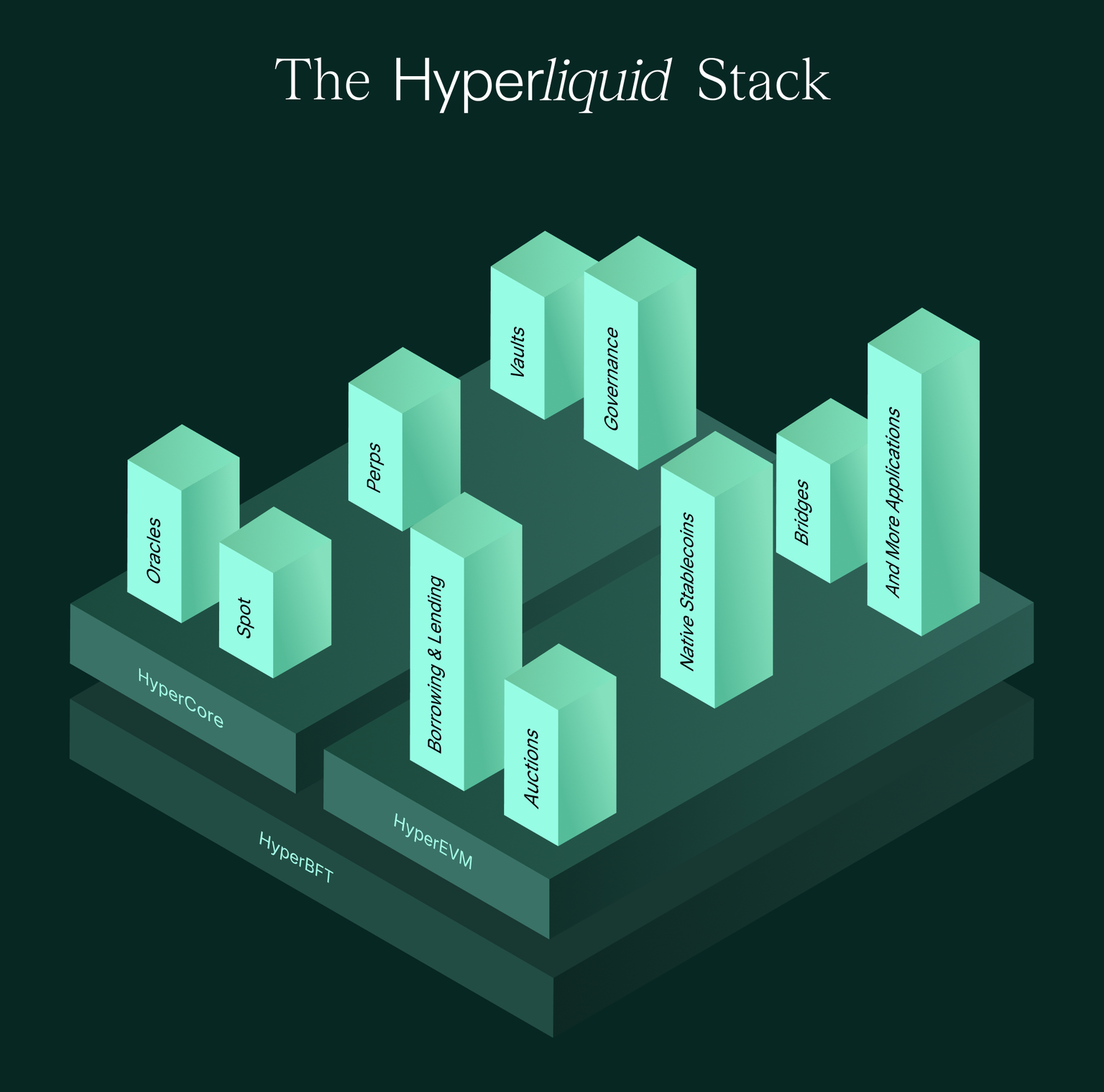
Nguồn: https://hyperliquid.gitbook.io/hyperliquid-docs
Các tính năng giao dịch cốt lõi gồm:
- Giao dịch hợp đồng tương lai vĩnh cửu: Hỗ trợ đa dạng cặp giao dịch, cho phép giữ vị thế không giới hạn thời gian đáo hạn.
- Giao dịch giao ngay: Thực hiện ngay lệnh mua bán nhiều loại tài sản tiền điện tử.
- Giao dịch sử dụng đòn bẩy: Giúp nhà giao dịch gia tăng vị thế và tối ưu hóa hiệu quả vốn.
- Sổ lệnh hiệu suất cao: Đảm bảo tốc độ khớp lệnh và thực thi nhanh nhờ chuỗi riêng và công cụ xử lý thông lượng cao.
- Bể thanh khoản sâu (HLP): Cơ chế cung cấp thanh khoản tự động giúp duy trì chênh lệch giá mua-bán hẹp và giảm trượt giá.
- Hỗ trợ API và giao dịch định lượng: Tương thích chiến lược giao dịch tự động, cho phép nhà giao dịch chuyên nghiệp xây dựng công cụ tùy chỉnh.
Tổng hòa các tính năng này tạo nên hệ sinh thái giao dịch Hyperliquid, giúp nền tảng cạnh tranh mạnh trên thị trường hợp đồng tương lai vĩnh cửu DeFi.
Tổng quan về cơ chế giao dịch hợp đồng tương lai vĩnh cửu
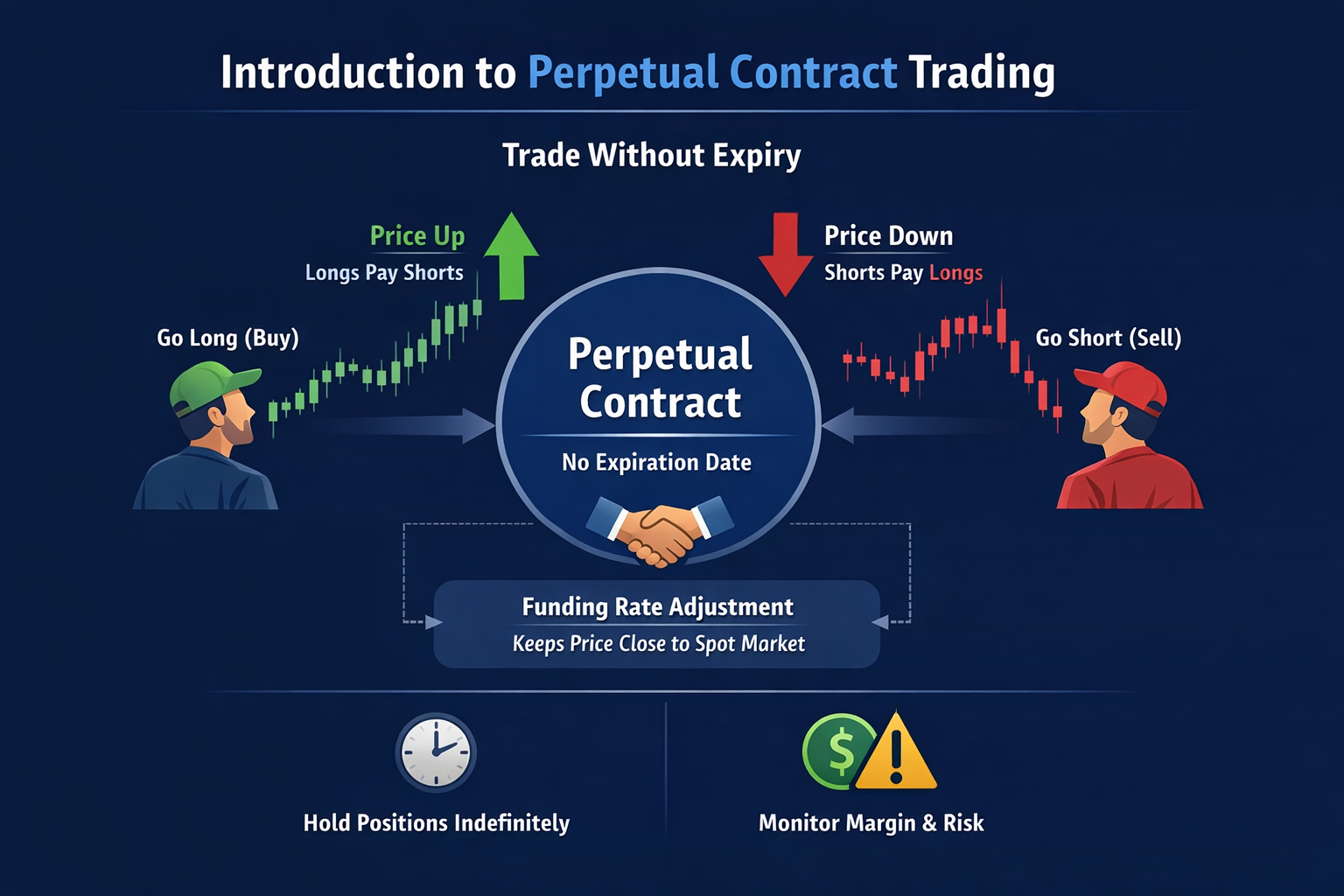
Hợp đồng vĩnh cửu là dạng hợp đồng phái sinh cho phép nhà giao dịch mua hoặc bán (long/short) giá tài sản mà không có ngày đáo hạn cố định, khác với hợp đồng tương lai truyền thống. Loại hợp đồng này thường dựa vào cơ chế tỷ lệ tài trợ (funding rate) để giữ giá hợp đồng sát với giá giao ngay.
Trên Hyperliquid:
- Hợp đồng vĩnh cửu hỗ trợ nhiều loại tài sản, bao gồm tiền điện tử và hàng hóa.
- Lệnh được khớp qua hệ thống khớp lệnh thông minh, đảm bảo tốc độ thực thi cực thấp.
- Cơ chế tỷ lệ tài trợ giúp cân bằng vị thế mua/bán, giảm nguy cơ giá hợp đồng lệch xa giá giao ngay về lâu dài.
So với hợp đồng tương lai truyền thống, hợp đồng vĩnh cửu không có ngày thanh toán, giúp nhà giao dịch giữ vị thế linh hoạt theo diễn biến thị trường. Đây là yếu tố quan trọng với những người giao dịch theo xu hướng. Sản phẩm hợp đồng vĩnh cửu của Hyperliquid thể hiện vai trò của thị trường phi tập trung trong phát triển hệ sinh thái phái sinh.
Mô hình giao dịch đòn bẩy và ký quỹ
Giao dịch sử dụng đòn bẩy cho phép nhà giao dịch mở rộng quy mô vị thế bằng vốn vay. Hyperliquid hỗ trợ mức đòn bẩy cao với các đặc điểm sau:
- Nhiều cấp độ đòn bẩy: Hỗ trợ đòn bẩy lên tới 50× (tùy loại tài sản).
- Hệ thống ký quỹ: Áp dụng cơ chế tính ký quỹ động, điều chỉnh yêu cầu rủi ro theo biến động thị trường thời gian thực.
- Cơ chế thanh lý: Tự động đóng vị thế khi ký quỹ không đủ, ngăn ngừa rủi ro số dư âm.
Giao dịch ký quỹ thường chia thành hai chế độ: ký quỹ riêng biệt và ký quỹ chéo. Ở chế độ ký quỹ riêng biệt, rủi ro chỉ giới hạn trong một vị thế; còn ở chế độ ký quỹ chéo, toàn bộ số dư tài khoản hỗ trợ nhiều vị thế cùng lúc. Việc lựa chọn chế độ ký quỹ phù hợp là yếu tố cốt lõi trong quản lý rủi ro.
Giao dịch sử dụng đòn bẩy có thể tăng lợi nhuận nhưng cũng đồng thời tăng rủi ro. Vì vậy, nền tảng thường khuyến nghị người mới bắt đầu với mức đòn bẩy thấp và vị thế nhỏ để kiểm soát tổn thất tiềm ẩn.
Các loại lệnh và phương thức thực thi giao dịch
Một nền tảng giao dịch phát triển cần hỗ trợ đa dạng loại lệnh để đáp ứng các chiến lược khác nhau. Hyperliquid hiện cung cấp các loại lệnh phổ biến gồm:
- Lệnh giới hạn: Đặt ở mức giá cụ thể và chỉ thực hiện khi được khớp.
- Lệnh thị trường: Thực hiện ngay ở mức giá thị trường tốt nhất hiện có.
- Lệnh dừng: Tự động kích hoạt khi đạt đến mức giá đã đặt trước.
- Lệnh điều kiện và chiến lược: Như lệnh TWAP, lệnh iceberg, phục vụ nhà giao dịch khối lượng lớn hoặc giao dịch định lượng thực hiện chiến lược phức tạp.
Kết hợp với hệ thống khớp lệnh hiệu quả, các loại lệnh này cho phép thực thi gần như tức thời và khớp lệnh chính xác cao, đặc biệt phù hợp với giao dịch tần suất cao và chiến lược định lượng.
Bên cạnh đó, sổ lệnh của Hyperliquid triển khai qua kiến trúc on-chain hoặc kết hợp, mang lại sổ lệnh minh bạch, mọi giao dịch đều có thể xác minh trên chuỗi, nâng cao khả năng kiểm toán.
Lợi thế về thanh khoản và độ sâu thị trường
Thanh khoản là chỉ số quan trọng phản ánh chất lượng thị trường, thể hiện qua chênh lệch giá mua-bán và độ sâu thực hiện lệnh. Thị trường có thanh khoản cao giúp giảm rủi ro trượt giá khi giao dịch lớn và nâng cao hiệu quả xác định giá.
Hyperliquid tận dụng cơ chế HLP (Hyperliquidity Provider) nội bộ để cung cấp bể thanh khoản sâu, đảm bảo sổ lệnh luôn có khối lượng mua bán lớn. Điều này giúp:
- Chênh lệch giá mua-bán hẹp, trượt giá thấp
- Hỗ trợ thực hiện lệnh lớn, nhất là với Bitcoin và các thị trường hợp đồng vĩnh cửu chủ đạo
- Tăng cường khả năng xác định giá, cho phép giao dịch gần giá trung bình thị trường
Dữ liệu on-chain gần đây cho thấy thanh khoản của Hyperliquid tại một số sản phẩm chủ lực đã vượt qua một số sàn giao dịch tập trung, đặc biệt hấp dẫn với nhà giao dịch chuyên nghiệp thực hiện lệnh lớn.
Hỗ trợ API và giao dịch định lượng
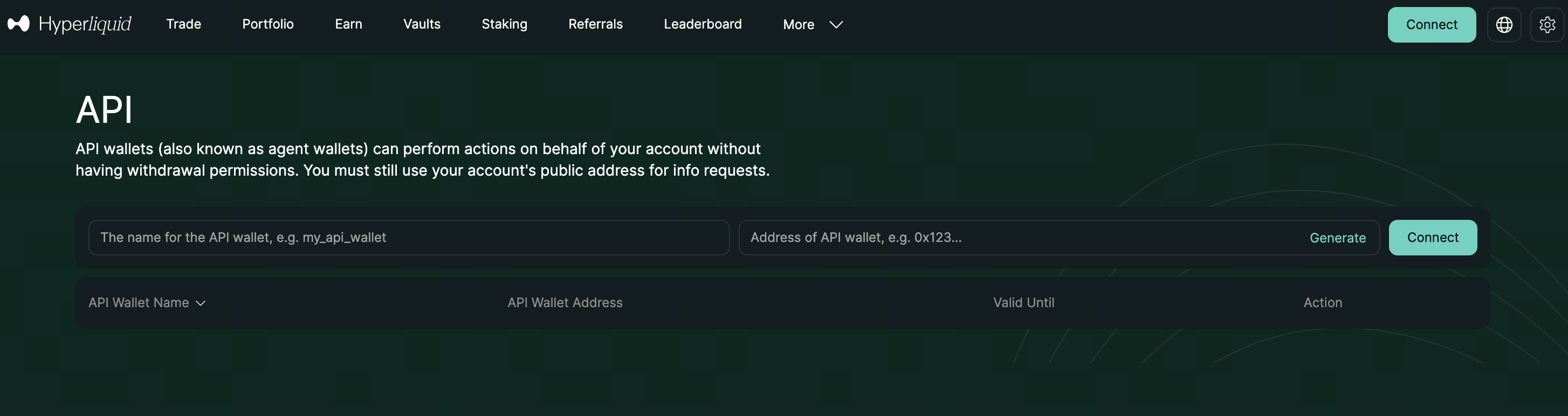
Nguồn: https://app.hyperliquid.xyz/API
Đối với nhà giao dịch chuyên nghiệp và định lượng, việc có API ổn định, dễ sử dụng là yếu tố quyết định. Hyperliquid cung cấp:
- REST và WebSocket API: Hỗ trợ truy xuất dữ liệu thị trường, đặt và đóng lệnh, giám sát trạng thái tài khoản
- Tương thích giao thức phổ biến: Một số phiên bản hỗ trợ giao diện chuẩn như FIX, thuận tiện tích hợp hệ thống giao dịch bên thứ ba
- SDK và tài liệu cho nhà phát triển: Bao gồm bộ công cụ cho Python, JavaScript, hỗ trợ phát triển công cụ và chiến lược giao dịch tự động
Thông qua các giao diện này, nhà giao dịch dễ dàng triển khai thực thi lệnh tự động, chiến lược chênh lệch giá, giám sát kiểm soát rủi ro và quy trình quản lý vốn.
Quy trình giao dịch cơ bản cho người mới bắt đầu
Nhà giao dịch mới tham gia Hyperliquid có thể bắt đầu giao dịch theo các bước sau:
- Chuẩn bị và kết nối ví phi lưu ký được hỗ trợ (ví dụ MetaMask), hoàn tất cấu hình mạng. Hyperliquid sử dụng mô hình phi lưu ký, nghĩa là người dùng luôn kiểm soát khóa riêng của mình.
- Nạp tài sản như USDC vào nền tảng qua cầu nối chính thức hoặc phương thức hỗ trợ để dùng làm ký quỹ.
- Sau khi nạp tiền, chọn thị trường và cặp giao dịch, xác định giao dịch giao ngay hoặc hợp đồng vĩnh cửu, thiết lập đòn bẩy và chế độ ký quỹ phù hợp. Người mới nên bắt đầu với đòn bẩy thấp.
- Chọn lệnh giới hạn hoặc lệnh thị trường theo chiến lược để mở vị thế, thiết lập điều kiện dừng lỗ để quản lý rủi ro.
- Sau khi mở vị thế, liên tục giám sát tỷ lệ ký quỹ và biến động thị trường, điều chỉnh hoặc đóng vị thế khi cần để hoàn thành chu kỳ giao dịch.
Tóm tắt ưu điểm nền tảng và hồ sơ nhà giao dịch phù hợp
Ưu điểm giao dịch Hyperliquid
- Công cụ giao dịch hiệu suất cao: Hỗ trợ hàng nghìn lệnh mỗi giây với tốc độ thực thi thấp
- Thanh khoản sâu, chênh lệch giá hẹp: Đặc biệt nổi bật ở các thị trường hợp đồng vĩnh cửu chủ lực
- Bộ công cụ lệnh đa dạng và hỗ trợ API: Cho phép giao dịch theo chiến lược và định lượng
Hồ sơ nhà giao dịch phù hợp
- Nhà giao dịch chuyên nghiệp: Tìm kiếm thanh khoản sâu, giao dịch đòn bẩy cao, chiến lược dựa trên API
- Nhóm giao dịch định lượng: Yêu cầu giao diện ổn định, công cụ khớp lệnh hiệu suất cao
- Người đam mê DeFi: Ưu tiên kiểm soát tài sản phi lưu ký và giao dịch minh bạch trên chuỗi
- Nhà giao dịch theo xu hướng: Tận dụng hợp đồng vĩnh cửu cho chiến lược mua/bán linh hoạt
Tuy nhiên, giao dịch hợp đồng vĩnh cửu tiềm ẩn rủi ro cao. Nhà giao dịch thiếu kinh nghiệm vẫn đối mặt nguy cơ thanh lý và biến động mạnh, nên bắt đầu với vị thế nhỏ và đòn bẩy thấp để giảm thiểu thua lỗ tiềm ẩn.