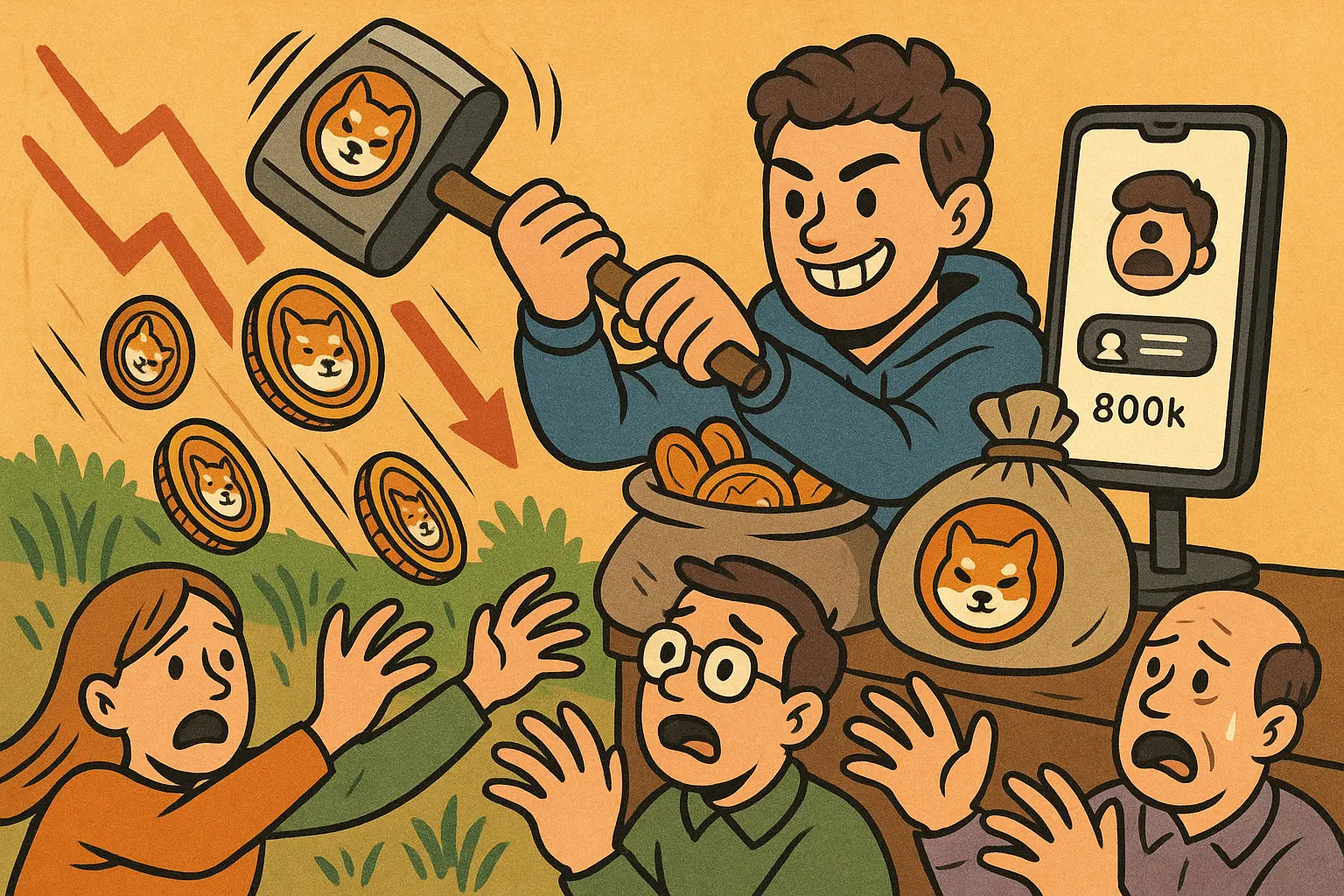
A TikTok influencer with over 800,000 followers recently suspected of publicly promoting a specific cryptocurrency on TikTok by modifying their nickname to embed the MEME coin name and contract address (CA). It is believed that after attracting a large number of followers to buy in, the influencer dumped their holdings to cash out, causing the token to surge about six times in a short period before crashing rapidly. After the incident was exposed, the influencer reportedly quickly deleted all related content and has been reported by multiple users.
Typical Pump-and-Dump Tactics: From Renaming to Promoting
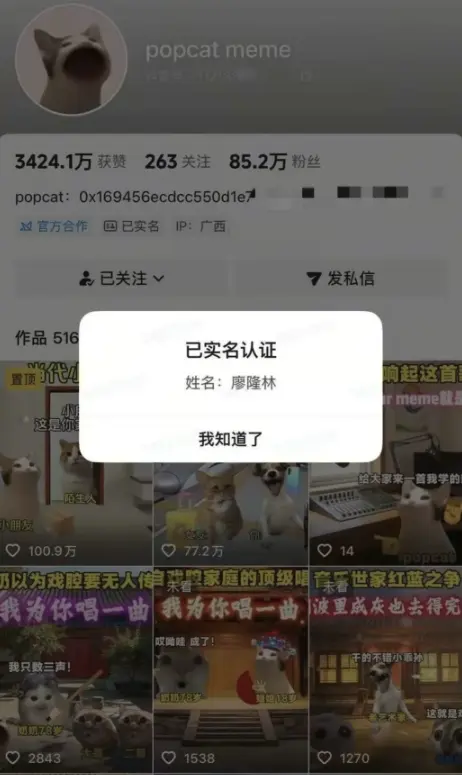 (Source: TikTok)
This incident reveals a method of manipulating MEME coins using social media followers. The influencer changed their nickname to the MEME coin name and included the contract address, then publicly promoted it on China’s largest short video platform, attracting followers to buy quickly, creating trading volume and driving up the price. After the token surged roughly sixfold, the influencer allegedly sold off their holdings at the high, triggering a crash, trapping many retail investors. The entire cycle from promotion to dumping was very short, leaving investors little time to react.
MEME coin markets have extremely shallow liquidity. Once large holders sell, the token can drop over 90% within minutes or even seconds. Ordinary retail traders cannot match the speed of manipulation, which is the core unfair advantage of such tactics.
Deleting Posts and Covering Evidence: Screenshots Saved, Account Bans Inevitable
After the incident was exposed, the influencer reportedly deleted all related posts and data immediately, attempting to erase the promotion records. However, some netizens had already taken screenshots for evidence, and reports have been submitted to the platform. Banning the account is almost unavoidable.
Under Chinese law, such actions may violate the following provisions:
- Illegal Public Fundraising: Attracting unspecified public funds through public promotion may meet the criteria.
- Illegal Business Operations: Engaging in financial activities without proper licensing.
- Illegal Use of Information Networks: Conducting illegal financial activities via social media platforms.
- Fraud: If it can be proven that the influencer held positions beforehand and induced others to buy high and sell low for profit.
In China, publicly promoting cryptocurrencies is already in a legal gray area. Coupled with pump-and-dump tactics, the legal risks are significant. While influencers with 800,000 followers have ample opportunities for legitimate monetization, taking such legal risks is shocking to industry insiders.
Frequently Asked Questions
What is “dumping to harvest” and why is it hard for ordinary investors to prevent?
“Dumping” refers to large holders raising the price and then selling off in bulk, causing the coin’s value to plummet. “Harvesting” means exploiting information asymmetry to let retail investors buy at high prices while manipulators profit from low-price liquidation. MEME coin markets lack depth; manipulators can sell off within seconds, making it impossible for retail investors to respond at the same speed.
How to identify MEME coin promotion scams on social media platforms?
Warning signs include: influencers suddenly embedding MEME coin names or CA addresses in nicknames or bios; lack of basic project background or whitepapers; emphasizing “limited-time opportunities” to create urgency; abnormal price surges within a very short period; and the influencer having no long-term or consistent stance on crypto investments.
What legal risks are involved in promoting MEME coins within China?
Since 2021, China has fully banned cryptocurrency trading and related financial services. Publicly promoting cryptocurrencies on platforms like TikTok and encouraging users to invest may violate crypto regulations, as well as criminal laws such as illegal public fundraising and illegal use of information networks. This could lead to administrative penalties or criminal prosecution.
Disclaimer: The information on this page may come from third parties and does not represent the views or opinions of Gate. The content displayed on this page is for reference only and does not constitute any financial, investment, or legal advice. Gate does not guarantee the accuracy or completeness of the information and shall not be liable for any losses arising from the use of this information. Virtual asset investments carry high risks and are subject to significant price volatility. You may lose all of your invested principal. Please fully understand the relevant risks and make prudent decisions based on your own financial situation and risk tolerance. For details, please refer to
Disclaimer.


