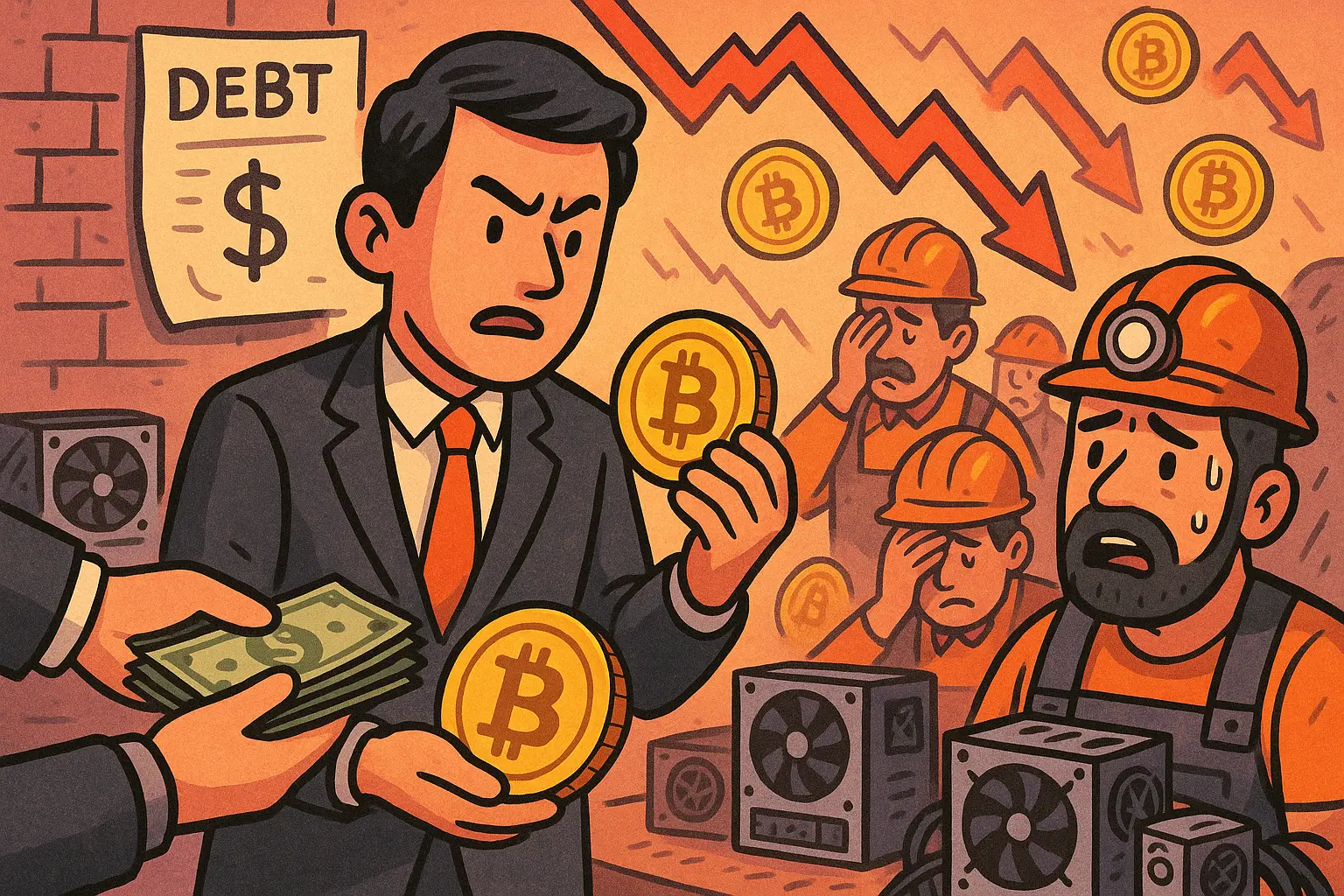
Bitcoin miner Cango announced that in March, it sold 2,000 BTC, and the proceeds were used entirely to repay the outstanding bitcoin collateral loans. After the sale, Cango’s on-balance-sheet holdings fell to 1,025.69 BTC, and the remaining loan debt was $30.6 million. The coordinated liquidations by major publicly listed miners are creating ongoing pressure from a steady supply of bitcoin being released into the market.
Cango’s Deleveraging Move: Cutting Costs by 19.3% and Strengthening the Balance Sheet
This divestment by Cango is part of its comprehensive financial restructuring plan. In addition to selling bitcoin, the company further fortified its balance sheet through two capital injections: members of the company’s leadership team invested $65 million in equity, and DL Holdings issued a $10 million convertible bond. The company said in its announcement that these steps “together provide a solid financial foundation to withstand market volatility and support the company’s planned transition to the fields of energy and artificial intelligence infrastructure.”
On the operating cost front, Cango also made notable progress: the average cash cost per coin in March fell to $68,215, down 19.3% from $84,552 in Q4 2025. Specific measures include shutting down inefficient mining rigs and shifting to a hashrate rental model in regions where custody fees are relatively high, effectively reducing unit production costs.
Comparison of Industry Liquidation Scale: MARA and Riot Hit Harder
Cango’s liquidation action is only a snapshot of the broader deleveraging wave sweeping the bitcoin mining industry in 2026.
Overview of Public Miners’ Bitcoin Liquidations in 2026
MARA: Sold 15,133 BTC in March alone, raising about $1.1 billion, with all proceeds used to repay convertible bonds with a principal amount exceeding $1 billion; on-chain tracking platform Lookonchain shows that on April 7, MARA transferred another 250 BTC (about $17.37 million), extending the liquidation into Q2
Riot Platforms: Sold 3,778 BTC in Q1 2026, a scale more than 2.5 times its quarterly production, raising about $289.5 million; it held 15,680 BTC at the end of Q1, down 18% from the end of 2025
Cango: Sold 2,000 BTC in March to repay bitcoin collateral loans; after the sale, it had 1,025.69 BTC remaining, with remaining loan debt of $30.6 million
All of the above liquidation figures are as of the companies’ respective public disclosure dates. Lookonchain monitoring indicates that some miners’ selling behavior has already continued through the beginning of Q2.
Miner Transformation: AI Is Dividing Up the Future of Bitcoin Mining
The deeper backdrop to this liquidation wave is the accelerating competition from AI infrastructure for bitcoin mining resources. Miners are facing a situation where AI data centers and bitcoin mining are competing for rack space, and this structural pressure is pushing the industry to reevaluate capital allocation strategies.
CoinShares estimates that by the end of 2026, as much as 70% of publicly listed miners’ revenue could come from AI-related businesses, far above the current level of about 30%. For miners like Cango that have clearly stated their intention to transition to AI, selling bitcoin is both a necessary step for financial deleveraging and a source of capital flexibility to support the transition.
Frequently Asked Questions
Why did Cango choose to sell 2,000 BTC at this time?
The core purpose of Cango’s bitcoin sale is to repay the outstanding bitcoin collateral loans while carrying out financial deleveraging in parallel. This move combines the company’s $65 million equity injection from its leadership team and the issuance of convertible bonds, aiming to strengthen the balance sheet and provide a more solid financial foundation for its planned transition to energy and AI infrastructure.
Why did multiple large bitcoin miners choose to liquidate bitcoin at the same time?
Since the beginning of 2026, the bitcoin price has fallen noticeably from its highs, and mining costs remain high (including electricity expenses and equipment depreciation), putting some miners under balance-sheet pressure. At the same time, many companies’ convertible bonds issued earlier at low interest rates are coming due, and they need to liquidate holdings to raise repayment funds, creating industry-wide synchronized liquidation pressure.
How does AI competition affect miners’ long-term strategies?
Competition for electricity and rack space from AI data centers is raising miners’ opportunity cost—meaning that infrastructure originally used for bitcoin mining can now be repurposed for AI and earn more stable returns. CoinShares expects that by the end of 2026, about 70% of publicly listed miners’ revenue may come from AI. This trend is driving miners to accelerate asset redeployment and, indirectly, increasing near-term bitcoin supply pressure.
Disclaimer: The information on this page may come from third parties and does not represent the views or opinions of Gate. The content displayed on this page is for reference only and does not constitute any financial, investment, or legal advice. Gate does not guarantee the accuracy or completeness of the information and shall not be liable for any losses arising from the use of this information. Virtual asset investments carry high risks and are subject to significant price volatility. You may lose all of your invested principal. Please fully understand the relevant risks and make prudent decisions based on your own financial situation and risk tolerance. For details, please refer to
Disclaimer.


