

Trade
Basic
Futures
Futures
Hundreds of contracts settled in USDT or BTC
Options
HOT
Trade European-style vanilla options
Unified Account
Maximize your capital efficiency
Demo Trading
Futures Kickoff
Get prepared for your futures trading
Futures Events
Participate in events to win generous rewards
Demo Trading
Use virtual funds to experience risk-free trading
Earn
Launch
CandyDrop
Collect candies to earn airdrops
Launchpool
Quick staking, earn potential new tokens
HODLer Airdrop
Hold GT and get massive airdrops for free
Launchpad
Be early to the next big token project
Alpha Points
NEW
Trade on-chain assets and enjoy airdrop rewards!
Futures Points
NEW
Earn futures points and claim airdrop rewards
Investment
Simple Earn
Earn interests with idle tokens
Auto-Invest
Auto-invest on a regular basis
Dual Investment
Buy low and sell high to take profits from price fluctuations
Soft Staking
Earn rewards with flexible staking
Crypto Loan
0 Fees
Pledge one crypto to borrow another
Lending Center
One-stop lending hub
VIP Wealth Hub
Customized wealth management empowers your assets growth
Private Wealth Management
Customized asset management to grow your digital assets
Quant Fund
Top asset management team helps you profit without hassle
Staking
Stake cryptos to earn in PoS products
Smart Leverage
NEW
No forced liquidation before maturity, worry-free leveraged gains
GUSD Minting
Use USDT/USDC to mint GUSD for treasury-level yields

More


Trending Topics
View More1.01K Popularity
30.75K Popularity
9.88K Popularity
99 Popularity
83 Popularity



Pin
The cryptocurrency world is always lively, with dreams of 100x coins and calls for hot projects, a cycle of hype after hype, and enough noise to drown out reason. But the more lively it gets, the easier it is to fall into traps—because what truly matters is often overlooked. Walrus Protocol happens to go against the trend; it doesn't chase after hype or concepts but instead roots itself in the Sui chain, focusing on data storage.
It may sound unsexy, but think about it: slicing files into parts and storing them across different nodes directly eliminates the risk of single points of failure. It's like giving important contracts to different people for safekeeping, enhancing security and reliability. This logic particularly addresses long-standing pain points for NFT projects and DAO organizations—where data is traditionally hosted on centralized servers, and if the service provider encounters issues, the metadata of on-chain assets becomes vulnerable.
Initially, few people cared about this backend infrastructure; developers and investors were busy chasing hot trends. But the Walrus team chose the hardest path, refining their product step by step. Now, developers, NFT platforms, and DAO organizations in the Sui ecosystem rely on it. This is the true moat.
The WAL token is essentially the circulatory blood of the ecosystem—used for storage fee settlements, node incentives, and governance participation—all driven by it. It’s not an investment product created through marketing hype, but a proof of real work.
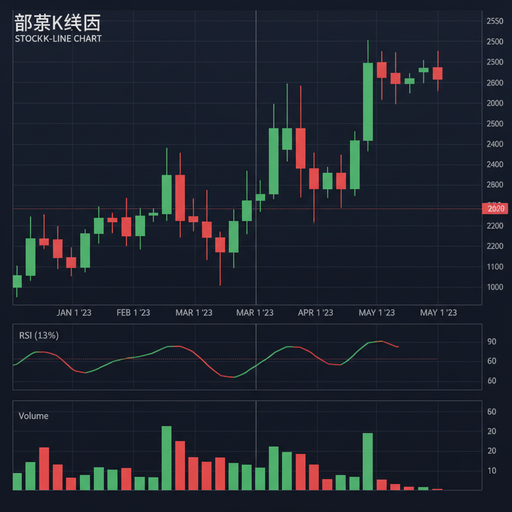
The crypto world is never short of excitement, but projects that truly stand the test are always those that quietly do their work. Walrus’s value won't be reflected in K-line fluctuations but in every stable data storage on the chain. This unpretentious strength may be the confidence to endure cycles.