Today, I watched an old coin operation: it dropped straight from 251 to 236 and then stopped. I also crave the remaining 20-plus bucks of meal slots. The longer I engage with Walrus, the more I can feel the richness of its gameplay.
Here's a brainwave: if the digital music you purchase can automatically fly into your friend's wallet on their birthday, and the weapon skins in the game can automatically change faces based on your performance, wouldn't that be awesome? Walrus Protocol has turned this into reality on the Sui chain—programmable digital content is no longer just theoretical.
Traditional NFTs have an awkward point: what you buy is just a static file—no movement, no change, just lying there. Walrus is different; it transforms all data contained within (images, audio, videos) into programmable objects on the Sui chain, which is the key.
Take digital singles, for example. The audio file is stored in Walrus. When you buy it, you can conveniently write a smart contract: "On May 20th next year, automatically transfer the ownership of this song to my brother's address." On that day, the contract executes itself, and a timely delivered surprise gift is born—you don't even have to think about it anymore.
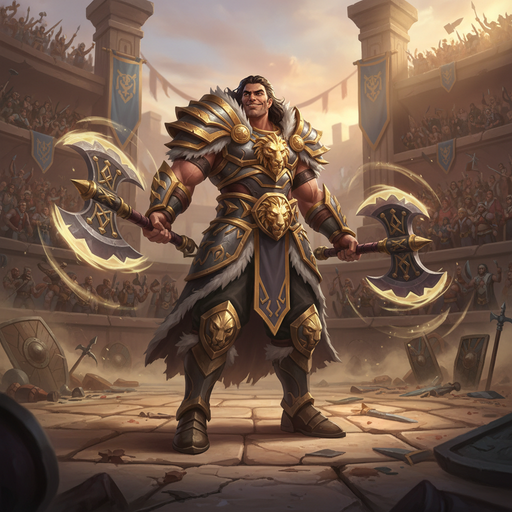
Looking at gaming scenarios: a card game embeds all art, animations, and sound effects as programmable objects into Walrus. Each card drawn has its rarity publicly verified by on-chain random numbers, leaving no room for black-box operations. Even more impressive, the appearance of legendary cards can dynamically change based on the total number of holders—more holders mean more dazzling light effects. This design fully unleashes interactivity and transparency.
This page may contain third-party content, which is provided for information purposes only (not representations/warranties) and should not be considered as an endorsement of its views by Gate, nor as financial or professional advice. See Disclaimer for details.
12 Likes
Reward
12
10
Repost
Share
Comment
0/400
0xLostKey
· 9h ago
I'm not surprised by the plunge of old coins; the key is that Walrus's programmable gameplay is truly exceptional, much better than the dull appearance of traditional NFTs.
View OriginalReply0
just_here_for_vibes
· 14h ago
Old coins have indeed taken a hit this time, but Walrus's programmable setup is truly brilliant. Traditional NFTs are struggling, but this brings data to life, opening up new possibilities.
View OriginalReply0
MetaverseVagabond
· 16h ago
Jumping from 251 to 236, I saw it too. That's pretty intense, but Walrus's programmable setup really got it right.
The automatic birthday transfer setting, I have to say, this is true practicality, much better than those dead NFTs.
The card's light effects changing based on the number of holders, I respect that. Max transparency to dispel people's doubts about the black box.
View OriginalReply0
ChainMemeDealer
· 22h ago
Wow, programmable NFTs are truly amazing. This is the way of the future.
View OriginalReply0
StealthDeployer
· 01-08 15:07
The plunge from 251 to 236 is something I also saw, and it was indeed intense. However, Walrus's programmable object approach feels like the real breakthrough point; traditional NFTs are truly dead in the water.
View OriginalReply0
OldLeekConfession
· 01-08 15:07
251 jumps to 236, this move is a bit fierce, but Walrus's programmable gameplay is indeed top-notch.
Automatic birthday transfers, face-changing cards based on the number of holders... this is what NFTs should look like.
I understand the craving for that 20 bucks, but the imagination space of this protocol seems even more tempting.
Old coins are holding up well this time, but can Walrus really become popular?
Contracts automatically execute and generate gifts, that sounds a bit sci-fi.
Traditional NFTs are indeed just dead objects, I respect Walrus's logic.
The idea of dynamic game cards is pretty clever, but can it really be implemented in a visually appealing way?
The concept of programmable objects is solid, but will it ultimately be more hype than application?
View OriginalReply0
consensus_whisperer
· 01-08 15:07
Wow, this programmable object gameplay is really top-notch, way better than dead NFTs.
View OriginalReply0
RiddleMaster
· 01-08 14:58
No way, is this real? Automatic transfers are really hardcore, but will reality be this ideal?
View OriginalReply0
ReverseFOMOguy
· 01-08 14:58
There might still be a chance for the rice槽, just keep waiting.
View OriginalReply0
ZenChainWalker
· 01-08 14:42
Walrus this thing is indeed interesting, and the imagination in programmable content has truly been unlocked.
Today, I watched an old coin operation: it dropped straight from 251 to 236 and then stopped. I also crave the remaining 20-plus bucks of meal slots. The longer I engage with Walrus, the more I can feel the richness of its gameplay.
Here's a brainwave: if the digital music you purchase can automatically fly into your friend's wallet on their birthday, and the weapon skins in the game can automatically change faces based on your performance, wouldn't that be awesome? Walrus Protocol has turned this into reality on the Sui chain—programmable digital content is no longer just theoretical.
Traditional NFTs have an awkward point: what you buy is just a static file—no movement, no change, just lying there. Walrus is different; it transforms all data contained within (images, audio, videos) into programmable objects on the Sui chain, which is the key.
Take digital singles, for example. The audio file is stored in Walrus. When you buy it, you can conveniently write a smart contract: "On May 20th next year, automatically transfer the ownership of this song to my brother's address." On that day, the contract executes itself, and a timely delivered surprise gift is born—you don't even have to think about it anymore.
Looking at gaming scenarios: a card game embeds all art, animations, and sound effects as programmable objects into Walrus. Each card drawn has its rarity publicly verified by on-chain random numbers, leaving no room for black-box operations. Even more impressive, the appearance of legendary cards can dynamically change based on the total number of holders—more holders mean more dazzling light effects. This design fully unleashes interactivity and transparency.