

Trade
Basic
Futures
Futures
Hundreds of contracts settled in USDT or BTC
TradFi
Gold
Trade global traditional assets with USDT in one place
Options
Hot
Trade European-style vanilla options
Unified Account
Maximize your capital efficiency
Demo Trading
Futures Kickoff
Get prepared for your futures trading
Futures Events
Participate in events to win generous rewards
Demo Trading
Use virtual funds to experience risk-free trading
Earn
Launch
CandyDrop
Collect candies to earn airdrops
Launchpool
Quick staking, earn potential new tokens
HODLer Airdrop
Hold GT and get massive airdrops for free
Launchpad
Be early to the next big token project
Alpha Points
Trade on-chain assets and enjoy airdrop rewards!
Futures Points
Earn futures points and claim airdrop rewards
Investment
Simple Earn
Earn interests with idle tokens
Auto-Invest
Auto-invest on a regular basis
Dual Investment
Buy low and sell high to take profits from price fluctuations
Soft Staking
Earn rewards with flexible staking
Crypto Loan
0 Fees
Pledge one crypto to borrow another
Lending Center
One-stop lending hub
VIP Wealth Hub
Customized wealth management empowers your assets growth
Private Wealth Management
Customized asset management to grow your digital assets
Quant Fund
Top asset management team helps you profit without hassle
Staking
Stake cryptos to earn in PoS products
Smart Leverage
New
No forced liquidation before maturity, worry-free leveraged gains
GUSD Minting
Use USDT/USDC to mint GUSD for treasury-level yields

More





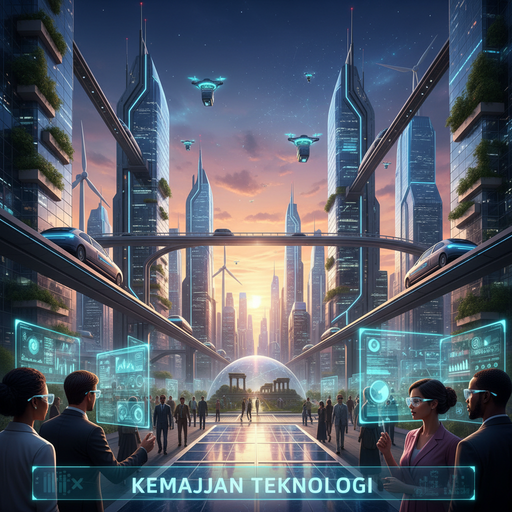
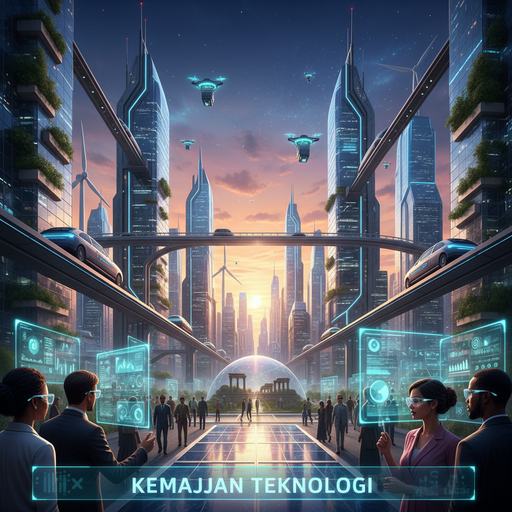
#AIAgentProjectsI’mWatching AI agent projects represent one of the most profound and underestimated shifts unfolding across both the artificial intelligence and crypto ecosystems today. While most people still associate AI with chatbots, data analytics, or recommendation engines, AI agents go much further: they plan, reason, execute actions, evaluate outcomes, and improve autonomously over time. This paradigm shift fundamentally transforms how digital work, coordination, and decision-making occur. Instead of humans constantly directing tools, we are entering an era where agents can operate independently within defined objectives and constraints — and this has far-reaching implications for productivity, finance, governance, and markets.
The timing is critical. Advances in compute power, model sophistication, and data availability are converging with breakthroughs in blockchain infrastructure. Modern blockchains are modular, programmable, and interoperable, creating a natural home for autonomous agents. These agents can already manage workflows, monitor environments, execute trades, optimize strategies, and interact with smart contracts more consistently than any human. The real innovation lies in autonomy at scale, where thousands of agents can operate simultaneously without fatigue, emotion, or bias.
From a crypto perspective, AI agents are particularly powerful in markets that are chaotic, emotional, and always on. Humans struggle with consistency and reaction time, while agents thrive in data-rich, rule-based environments. Autonomous agents can monitor markets 24/7, rebalance exposure, manage liquidity, execute predefined strategies, and respond instantly to volatility. Over time, this will increase market efficiency, but it will also make competition more intense, shifting the edge from speed or intuition to strategy design, risk frameworks, and system intelligence.
The most transformative development is the migration of AI agents from off-chain tools to on-chain, native actors. When agents operate directly on-chain with verifiable logic, transparent execution, and incentives built into smart contracts, trust becomes programmable. This unlocks self-managing treasuries, autonomous DAOs, AI-driven market makers, and governance systems capable of reacting instantly to change. Humans don’t disappear — they define goals, constraints, and ethics — while agents handle execution. This subtle shift redefines how digital systems scale.
My approach to evaluating AI agent projects emphasizes depth and skepticism over hype. Key questions include: Does the agent truly make decisions, or is it just automated scripting? Can it operate with minimal human intervention? Does it solve meaningful coordination or efficiency problems, or is it simply rebranding existing tools? The long-term leaders will be those building infrastructure-level solutions: agent frameworks, coordination layers, economic models, and incentive systems that allow large networks of agents to interact sustainably and securely.
Alignment is equally critical. Autonomous systems without proper incentives can create instability rather than efficiency. Projects that prioritize transparency, accountability, and explainability will be far more valuable than black-box systems chasing short-term optimization. In finance and markets, trust and predictability matter as much as raw performance.
In the broader view, AI agents are a structural shift comparable to smart contracts. Smart contracts automated execution; AI agents automate decision-making itself. This transforms capital flows, information processing, and systemic adaptability. The projects that successfully combine autonomy, transparency, and economic alignment won’t just ride the next cycle — they will shape the foundation of the future digital economy.
For anyone exploring this space, my advice is simple: slow down and go deep. Don’t chase hype. Study how agents actually operate, how they interact with real systems, and how incentives are designed. The AI agent revolution rewards understanding and long-term vision. In fast-moving markets, clarity, discipline, and patience will be the ultimate advantages.