








 :
:




#FirstTradeOfTheWeek
The beginning of a new trading week always brings a mix of excitement, opportunity, and careful planning for traders across global financial and cryptocurrency markets.
#FirstTradeOfTheWeek is more than just a simple hashtag—it represents the mindset traders adopt when markets reopen after the weekend. It symbolizes fresh strategies, renewed focus, and the chance to start the week with disciplined decision-making.
For many traders, the first trade of the week sets the psychological tone for the days ahead. Whether trading cryptocurrencies like Bitcoin and Ethereum, forex pairs, or traditional stocks, experienced traders understand that patience and preparation are essential before entering their first position. Markets often experience volatility at the start of the week as investors react to weekend news, macroeconomic developments, and geopolitical events.
Before making the first trade, successful traders typically begin by analyzing the broader market environment. They review price charts, identify key support and resistance levels, and examine indicators such as moving averages, RSI, and volume trends. This technical analysis helps traders understand whether the market is showing signs of continuation, consolidation, or reversal.
At the same time, fundamental analysis also plays an important role. News related to interest rates, economic data releases, and global political developments can influence market sentiment significantly. For example, announcements from central banks, inflation reports, or regulatory news regarding cryptocurrencies can create strong momentum in the market. Traders who stay informed about these factors are often better prepared to manage risk and capitalize on early-week opportunities.
Another key aspect of the first trade of the week is risk management. Professional traders rarely risk large portions of their capital on a single trade, especially at the beginning of the week. Instead, they typically use stop-loss orders and position sizing strategies to protect their portfolio. The goal is not only to generate profits but also to maintain long-term consistency and avoid emotional decision-making.
Psychology also plays a critical role. After a weekend break, traders often return to the charts with fresh perspectives. However, emotions such as overconfidence or impatience can still lead to impulsive trades. Successful traders remind themselves that the market will always present new opportunities, so there is no need to rush into a trade without a clear setup.
In the cryptocurrency market, the first trade of the week can be particularly interesting because digital assets trade 24/7. While traditional financial markets close on weekends, crypto markets remain active, meaning that significant price movements can occur during that time. As a result, Monday often brings adjustments as traders evaluate weekend trends and reposition themselves accordingly.
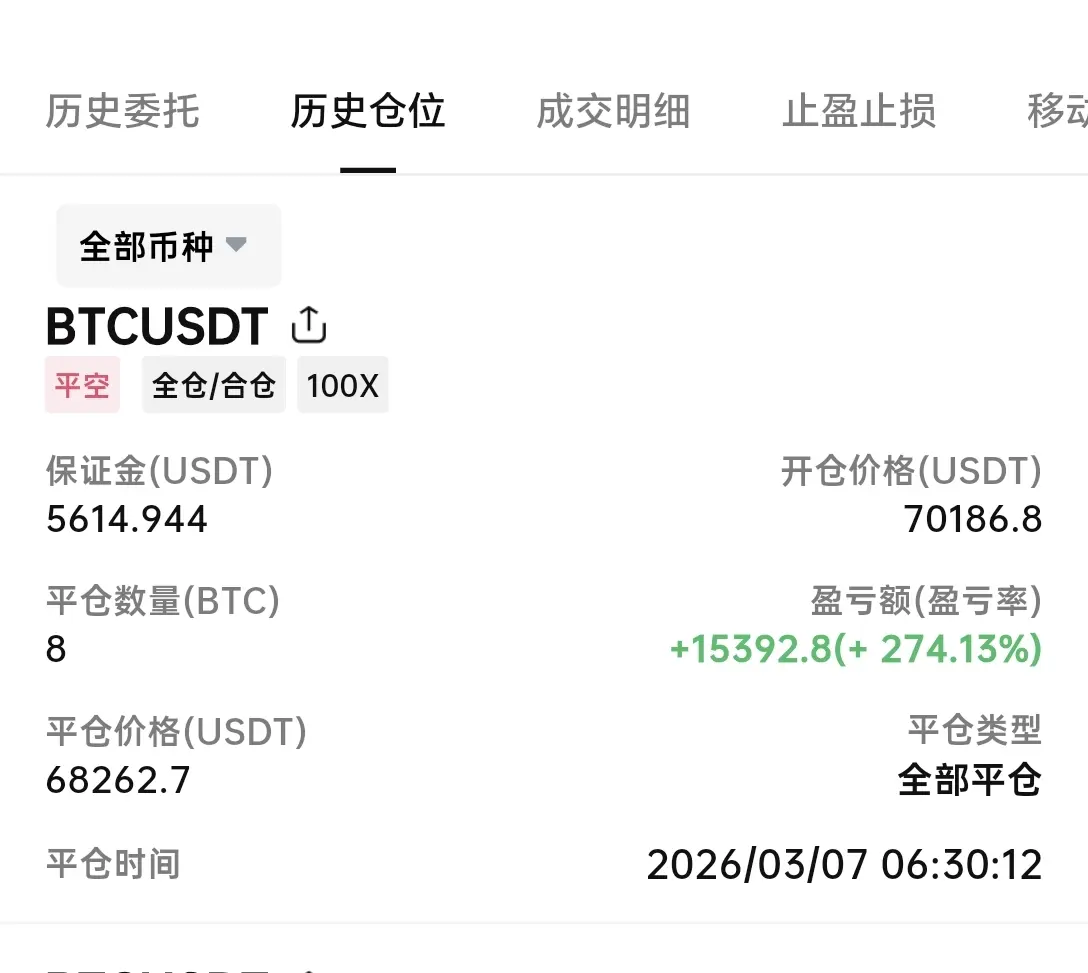
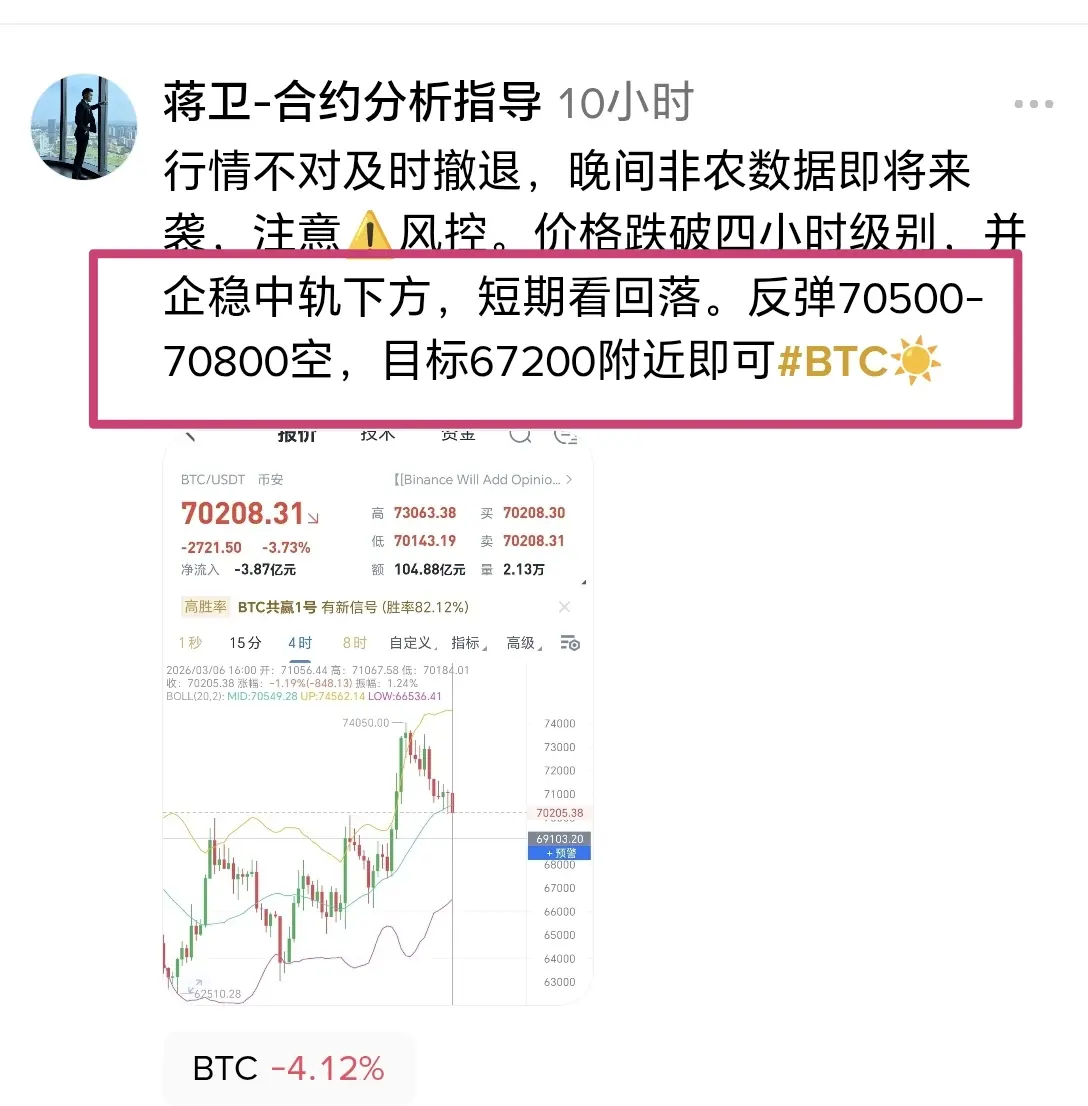
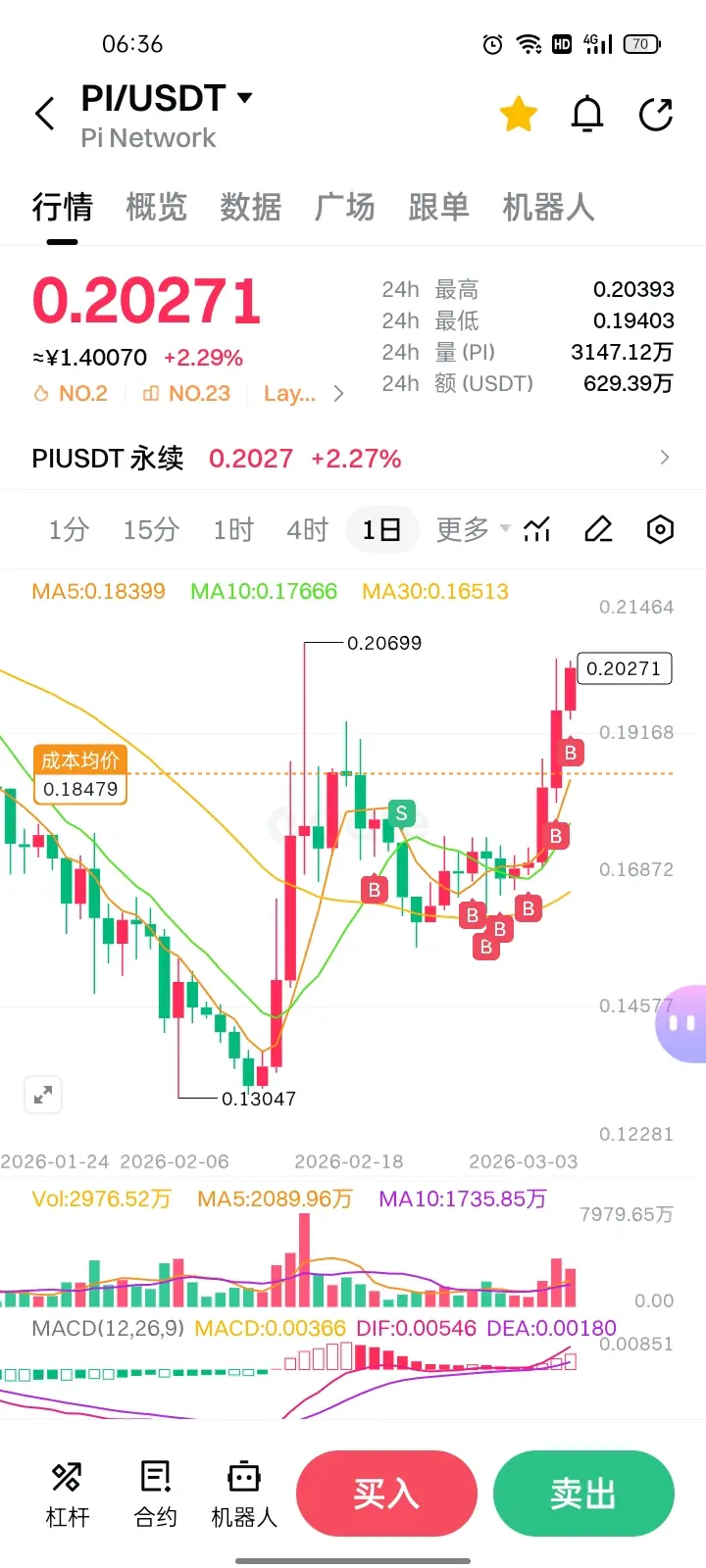
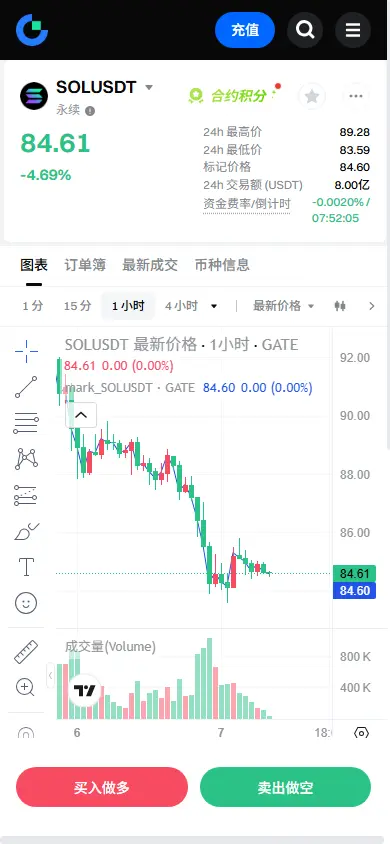
For content creators and crypto communities, sharing a #FirstTradeOfTheWeek post has become a way to discuss strategies, predictions, and trading experiences. Traders often share screenshots of charts, explain their reasoning behind entering a position, and invite discussion from fellow market participants. This exchange of ideas helps build stronger communities where both beginners and experienced traders can learn from one another.
Ultimately, the first trade of the week is not just about profit—it is about discipline, preparation, and maintaining a strategic approach to the market. A well-planned trade can build confidence and momentum for the rest of the week, while a careless one can serve as a reminder of the importance of patience and proper analysis.
As the new trading week begins, traders around the world are once again watching the charts, analyzing trends, and preparing for their #FirstTradeOfTheWeek—a small but meaningful step in the continuous journey of navigating the financial markets. 📈
The beginning of a new trading week always brings a mix of excitement, opportunity, and careful planning for traders across global financial and cryptocurrency markets.
#FirstTradeOfTheWeek is more than just a simple hashtag—it represents the mindset traders adopt when markets reopen after the weekend. It symbolizes fresh strategies, renewed focus, and the chance to start the week with disciplined decision-making.
For many traders, the first trade of the week sets the psychological tone for the days ahead. Whether trading cryptocurrencies like Bitcoin and Ethereum, forex pairs, or traditional stocks, experienced traders understand that patience and preparation are essential before entering their first position. Markets often experience volatility at the start of the week as investors react to weekend news, macroeconomic developments, and geopolitical events.
Before making the first trade, successful traders typically begin by analyzing the broader market environment. They review price charts, identify key support and resistance levels, and examine indicators such as moving averages, RSI, and volume trends. This technical analysis helps traders understand whether the market is showing signs of continuation, consolidation, or reversal.
At the same time, fundamental analysis also plays an important role. News related to interest rates, economic data releases, and global political developments can influence market sentiment significantly. For example, announcements from central banks, inflation reports, or regulatory news regarding cryptocurrencies can create strong momentum in the market. Traders who stay informed about these factors are often better prepared to manage risk and capitalize on early-week opportunities.
Another key aspect of the first trade of the week is risk management. Professional traders rarely risk large portions of their capital on a single trade, especially at the beginning of the week. Instead, they typically use stop-loss orders and position sizing strategies to protect their portfolio. The goal is not only to generate profits but also to maintain long-term consistency and avoid emotional decision-making.
Psychology also plays a critical role. After a weekend break, traders often return to the charts with fresh perspectives. However, emotions such as overconfidence or impatience can still lead to impulsive trades. Successful traders remind themselves that the market will always present new opportunities, so there is no need to rush into a trade without a clear setup.
In the cryptocurrency market, the first trade of the week can be particularly interesting because digital assets trade 24/7. While traditional financial markets close on weekends, crypto markets remain active, meaning that significant price movements can occur during that time. As a result, Monday often brings adjustments as traders evaluate weekend trends and reposition themselves accordingly.
For content creators and crypto communities, sharing a #FirstTradeOfTheWeek post has become a way to discuss strategies, predictions, and trading experiences. Traders often share screenshots of charts, explain their reasoning behind entering a position, and invite discussion from fellow market participants. This exchange of ideas helps build stronger communities where both beginners and experienced traders can learn from one another.
Ultimately, the first trade of the week is not just about profit—it is about discipline, preparation, and maintaining a strategic approach to the market. A well-planned trade can build confidence and momentum for the rest of the week, while a careless one can serve as a reminder of the importance of patience and proper analysis.
As the new trading week begins, traders around the world are once again watching the charts, analyzing trends, and preparing for their #FirstTradeOfTheWeek—a small but meaningful step in the continuous journey of navigating the financial markets. 📈