


Top 20 Altcoins to Watch This June for Potential Investment in 2024
TOP 20 ALTCOINS TO CONSIDER IN THE CURRENT MARKET
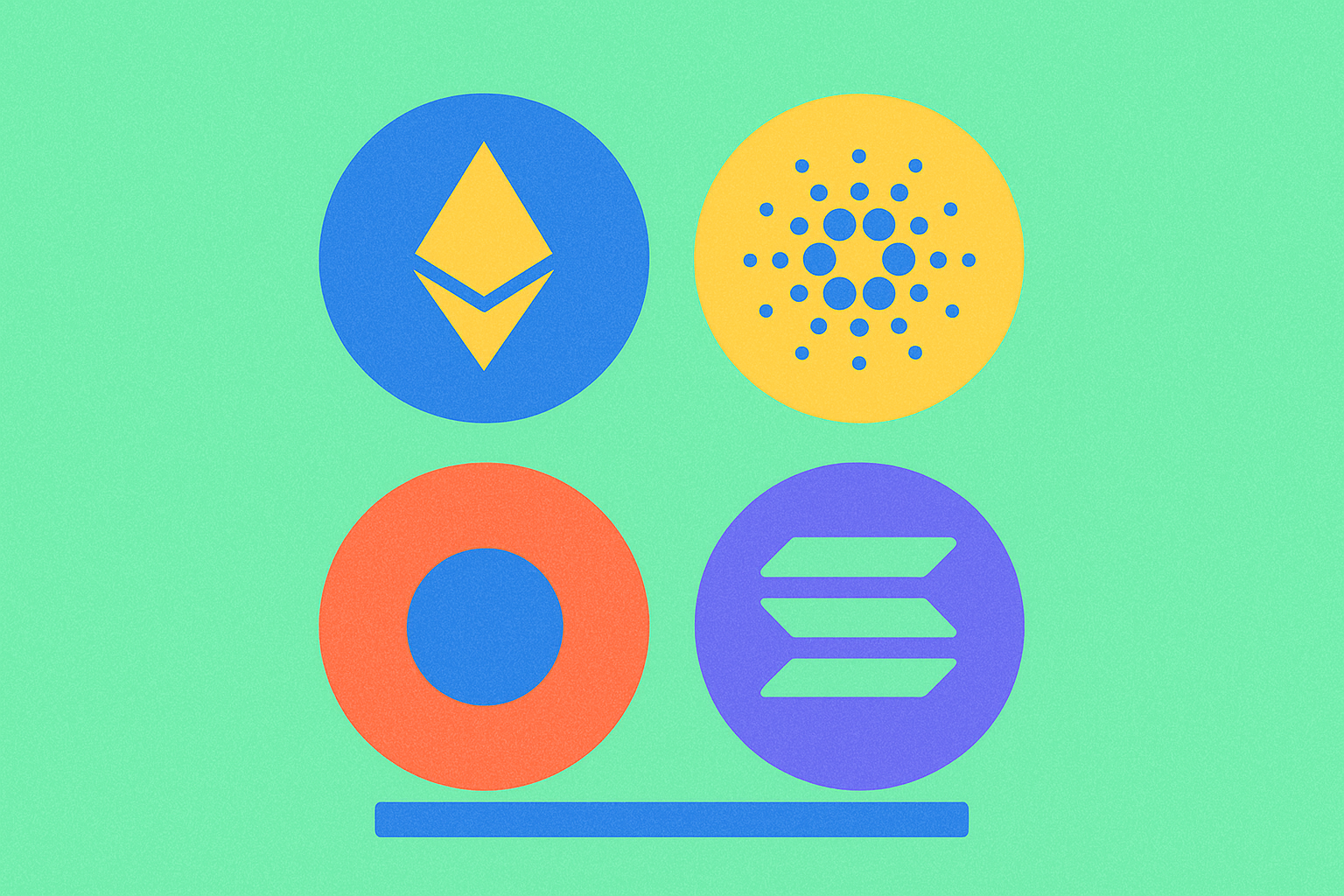
The cryptocurrency market continues to evolve with emerging projects and shifting market dynamics. This comprehensive guide examines the top 20 altcoins based on market capitalization, technological innovation, practical use cases, and overall market sentiment. The selections presented reflect the current state of the digital asset landscape, though the cryptocurrency market remains subject to continuous fluctuations and changes.
Ethereum (ETH)
Ethereum stands as the second-largest cryptocurrency by market capitalization, establishing itself as a fundamental blockchain platform. The network enables smart contracts and decentralized applications (dApps), providing developers with a robust infrastructure for building decentralized solutions. The Ethereum 2.0 upgrade represents a significant milestone, introducing improvements in scalability and energy efficiency through the transition to a proof-of-stake consensus mechanism. This upgrade addresses previous concerns about network congestion and environmental impact, making Ethereum a more sustainable and efficient platform for future development.
Major Exchange Token (BNB)
The major exchange token serves as the largest exchange-based utility token, functioning within a leading cryptocurrency trading platform ecosystem. Users utilize this token to receive trading fee discounts and gain access to various platform services, creating strong utility-driven demand. The platform implements continuous quarterly burns, systematically reducing the circulating supply and potentially supporting long-term value appreciation. The expanding use cases beyond the primary exchange, including payment processing and decentralized finance applications, have strengthened the token's position in the broader cryptocurrency ecosystem.
Cardano (ADA)
Cardano represents a leading proof-of-stake blockchain, distinguished by its emphasis on security, sustainability, and scalability. The platform employs a rigorous academic approach to development, with peer-reviewed research guiding its evolution. Ongoing development initiatives focus on enhancing smart contract capabilities and expanding decentralized finance functionalities. Cardano's commitment to environmental sustainability through its energy-efficient consensus mechanism positions it favorably among environmentally-conscious investors and institutions.
Solana (SOL)
Solana operates as a high-performance blockchain characterized by extremely fast transaction speeds and minimal fees. The network's architecture enables thousands of transactions per second, making it suitable for high-throughput applications. Solana has experienced growth within the decentralized finance and non-fungible token sectors, attracting developers and users seeking efficient alternatives to congested networks. The platform's scalability makes it particularly attractive for applications requiring real-time transaction processing.
Ripple (XRP)
Ripple has established itself as a popular solution for cross-border payments, enabling fast and low-cost international transactions. The network utilizes advanced consensus mechanisms to facilitate rapid settlement without traditional intermediaries. However, XRP's market dynamics have been significantly influenced by regulatory proceedings, creating considerations regarding regulatory classification and future developments. These regulatory factors represent important considerations for investors evaluating XRP's long-term prospects.
Polkadot (DOT)
Polkadot focuses on interoperability, enabling the connection of multiple blockchains into a unified network. The platform's innovative parachain architecture allows independent blockchains to operate while benefiting from Polkadot's shared security and consensus layer. The launch of increasingly sophisticated parachains and the growing number of projects building on the network demonstrate the platform's expanding ecosystem. Polkadot's vision of a multi-chain future addresses one of blockchain technology's fundamental limitations—the need for seamless cross-chain communication.
Dogecoin (DOGE)
Dogecoin evolved from a community-driven cryptocurrency into a mainstream digital asset, supported by a robust and dedicated community. The token has gained recognition through various endorsements and influential figures within the technology sector. Despite its origins as a community project, Dogecoin has achieved practical adoption for tipping content creators and facilitating payments. The coin's longevity and community strength demonstrate the power of social networks in driving cryptocurrency adoption and value retention.
Polygon (MATIC)
Polygon operates as a leading Layer 2 scaling solution for Ethereum, significantly enhancing the network's scalability and usability. By processing transactions off the main Ethereum chain before settling them, Polygon reduces congestion and transaction costs. The platform has cultivated a growing ecosystem of decentralized applications and integrations, establishing itself as a vital infrastructure component in the Ethereum network. Polygon's success in reducing friction for developers has attracted numerous projects seeking to leverage Ethereum's security while maintaining operational efficiency.
Litecoin (LTC)
Litecoin ranks among the established altcoins, maintaining relevance through continuous technological improvements. The network offers faster transaction times compared to Bitcoin, facilitating more efficient peer-to-peer transactions. Recent upgrades represent significant enhancements, introducing advanced privacy features to protect transaction details while maintaining blockchain transparency. Litecoin's proven track record of stability makes it an important reference point in cryptocurrency market analysis.
Chainlink (LINK)
Chainlink operates as a decentralized oracle network, solving a critical problem in blockchain technology—connecting real-world data to smart contracts. The platform enables smart contracts to access reliable external information, making them suitable for practical applications requiring real-world data integration. Expanding partnerships and increasing integrations within the decentralized finance sector have strengthened Chainlink's position as essential infrastructure. Chainlink's technology addresses a fundamental gap in blockchain functionality, making it indispensable for sophisticated smart contract applications.
Avalanche (AVAX)
Avalanche operates as a high-throughput blockchain delivering sub-second transaction finality. The network's innovative architecture enables rapid transaction processing while maintaining security and decentralization. The platform has experienced growth within the decentralized finance sector and has attracted institutional partnerships, validating its technological approach. Avalanche's combination of high performance and proven security has made it an attractive platform for developers and enterprises seeking blockchain solutions.
Uniswap (UNI)
Uniswap functions as a leading decentralized exchange token, facilitating automated trading of decentralized finance tokens through its innovative automated market maker model. The platform eliminates the need for traditional order books, allowing users to trade directly from liquidity pools. Continued upgrades focus on improving liquidity provision mechanisms and trading efficiency. Uniswap's success demonstrates the viability of decentralized finance protocols in challenging traditional financial infrastructure.
Stellar (XLM)
Stellar focuses on facilitating cross-border payments with emphasis on accessibility and financial inclusion. The network enables fast and low-cost transactions, particularly beneficial for individuals in emerging markets lacking traditional banking infrastructure. Growing partnerships with financial institutions demonstrate increasing recognition of Stellar's value proposition. The platform's commitment to serving underbanked populations distinguishes it within the cryptocurrency landscape.
VeChain (VET)
VeChain operates as a supply chain-focused blockchain, enhancing transparency and operational efficiency across supply chain networks. The platform enables stakeholders to track products throughout their entire lifecycle, ensuring authenticity and reducing counterfeiting. Expanding use cases across diverse industries, from pharmaceuticals to luxury goods, demonstrate the platform's practical applicability. VeChain's success in enterprise adoption showcases blockchain technology's value beyond financial applications.
Cosmos (ATOM)
Cosmos establishes an interoperable blockchain ecosystem enabling seamless communication between different blockchain networks. The platform facilitates cross-chain transactions and data sharing through advanced protocols and standards. The continued development of inter-blockchain communication protocols enhances the network's capability to connect diverse blockchain systems. Cosmos represents an important step toward creating a unified blockchain ecosystem rather than isolated chains.
Internet Computer (ICP)
Internet Computer operates as a decentralized cloud computing platform capable of running applications at web speed with unbounded capacity. The network enables developers to deploy applications directly on the blockchain, eliminating the need for traditional cloud infrastructure. Ongoing improvements in scalability and expanding user adoption demonstrate the platform's potential impact on internet architecture. Internet Computer represents an ambitious vision of decentralizing web infrastructure itself.
Aave (AAVE)
Aave functions as a leading decentralized finance lending platform, enabling users to lend and borrow cryptocurrencies through innovative smart contract systems. The protocol's governance token empowers community members to participate in protocol development and decision-making. Expanding features and growing total value locked indicate increasing user confidence and adoption. Aave's success demonstrates the viability of decentralized financial services as alternatives to traditional lending infrastructure.
Filecoin (FIL)
Filecoin operates as a decentralized storage network that incentivizes users to share excess storage space. The platform creates a marketplace for data storage services, reducing costs while improving redundancy and resilience. Increasing data storage use cases and strategic partnerships have validated the approach to decentralized infrastructure. The platform addresses growing data storage needs while aligning incentives between storage providers and users.
Algorand (ALGO)
Algorand operates as a high-performance blockchain emphasizing both speed and decentralization. The network enables rapid transactions with minimal fees, making it suitable for diverse applications. The expanding ecosystem of decentralized applications and decentralized finance projects demonstrates growing developer interest. Algorand's technical approach balances performance with the fundamental principles of blockchain decentralization.
Hedera (HBAR)
Hedera operates as an enterprise-grade public network delivering high throughput and low latency suitable for real-time applications. The platform's governance structure includes prominent enterprises and organizations, lending credibility and stability. A growing list of enterprise partners and expanding use cases demonstrate increasing adoption among institutional users. Hedera's positioning as an enterprise-focused platform distinguishes it within the cryptocurrency landscape.
Conclusion
Understanding what are the top 10 altcoins and the broader top 20 altcoin landscape reflects a mature cryptocurrency market with diverse technological approaches addressing specific challenges. The altcoins examined in this guide represent innovations spanning smart contract platforms, payment systems, decentralized finance protocols, infrastructure solutions, and enterprise applications. Each project contributes unique value propositions addressing distinct aspects of blockchain technology and its practical applications. Investors and participants should recognize that cryptocurrency markets remain highly volatile and subject to regulatory changes, technological developments, and shifting market sentiment. Thorough research and careful consideration of individual risk tolerance remain essential when evaluating cryptocurrency investments within this dynamic market environment.
FAQ
What are the top 5 altcoins?
The top 5 altcoins are Solana, XRP, Cardano, Avalanche, and Pepeto. These projects demonstrate strong market performance and adoption potential in the current crypto landscape.
What are the top 5 AI altcoins?
The top 5 AI altcoins are Bittensor (TAO), Fetch.ai (FET), Render Token (RNDR), NEAR Protocol (NEAR), and Ocean Protocol (OCEAN). These projects lead the AI crypto market with combined capitalization of $24–27 billion, supported by regulatory clarity and institutional demand.
Which coin will go 1000x?
Predicting 1000x gains requires deep research into project fundamentals, adoption potential, and market conditions. Emerging altcoins with strong use cases and community support show promise, but thorough due diligence is essential before any investment decision.
How do I evaluate which altcoins to invest in?
Assess altcoins by analyzing market capitalization, trading volume, technology fundamentals, team expertise, and community engagement. Review whitepapers, tokenomics, and real-world use cases. Monitor adoption rates and competitive advantages against similar projects.
What is the difference between altcoins and Bitcoin?
Bitcoin is the first and most established cryptocurrency, serving as digital gold with greater stability. Altcoins are all other cryptocurrencies offering innovative features, faster transactions, and specialized functionalities like smart contracts, though typically with higher volatility.
What are the risks of investing in altcoins?
Altcoins face high volatility, liquidity risks, and regulatory uncertainty. Price swings can be extreme, projects may lack transparency, and market manipulation is common. Investors should research thoroughly before participating.
Share
Content
Ethereum (ETH)
Major Exchange Token (BNB)
Cardano (ADA)
Solana (SOL)
Ripple (XRP)
Polkadot (DOT)
Dogecoin (DOGE)
Polygon (MATIC)
Litecoin (LTC)
Chainlink (LINK)
Avalanche (AVAX)
Uniswap (UNI)
Stellar (XLM)
VeChain (VET)
Cosmos (ATOM)
Internet Computer (ICP)
Aave (AAVE)
Filecoin (FIL)
Algorand (ALGO)
Hedera (HBAR)
Conclusion
FAQ
How to Buy Cryptocurrency


Trending Cryptocurrencies



1inch Network White Paper: Addressing Critical DeFi Challenges in 2025

2025 LPT Price Prediction: Analyzing Market Trends and Growth Potential for Livepeer Token

POND vs ETC: Comparing Two Innovative Approaches to Decentralized Finance

GRT vs ETC: Comparing Two Promising Blockchain Projects in the Data Analytics Space
What is GLMR: The Native Token Powering Moonbeam's Ethereum-Compatible Network

What is UNCX: Exploring the Decentralized Token Launchpad and Liquidity Locker

Is Union (U) a good investment?: A Comprehensive Analysis of Market Performance, Risk Factors, and Future Growth Potential
Is My Lovely Coin (MLC) a good investment?: A Comprehensive Analysis of Market Potential, Risk Factors, and Investment Prospects

Is Boson (BOSON) a good investment? A Comprehensive Analysis of the Protocol's Potential and Market Performance
KOMA vs BAT: A Comprehensive Comparison of Two Leading Chinese Tech Giants in the Mobile and AI Industry
ALKIMI vs XLM: A Comprehensive Comparison of Two Blockchain Tokens and Their Market Position