As artificial intelligence and automation technologies advance rapidly, the issue of “identity authenticity” on the internet is becoming increasingly critical. Bot Accounts, fake identities, and large-scale automated activities are making traditional verification methods—such as those based on accounts or phone numbers—less effective. The challenge of confirming that a user is a real, unique human while maintaining privacy has become a central concern for both Web3 and the broader digital society.
In this context, Worldcoin is emerging as a new form of identity infrastructure. It integrates identity verification with cryptocurrency mechanisms, leveraging technology to create a trusted human network and build an open financial and application ecosystem. This approach positions Worldcoin not only as a crypto asset project but also as a potential blueprint for digital identity systems in the AI era.
What Is Worldcoin (WLD)?
Worldcoin is a blockchain-based system comprising a digital identity protocol, cryptocurrency, and application gateway. Its primary objective is to verify “real and unique human individuals” on a global scale. The system issues identity credentials to users via World ID, enabling them to prove their identity in decentralized environments without relying on traditional platforms or centralized authorities.

Unlike conventional account systems, Worldcoin does not depend on Usernames or Email. Instead, it generates encrypted identities through biometric data, ensuring both uniqueness and anonymity. This mechanism fundamentally differentiates Worldcoin from traditional internet identity systems.
What Are the Core Components of Worldcoin’s Architecture?
Worldcoin’s architecture consists of three layers: the identity layer, the economic layer, and the application layer. The identity layer is built on World ID, which verifies user uniqueness. The economic layer is powered by the WLD token, facilitating value transfer and incentives. The application layer enables user interaction via the World App, allowing identities and Assets to be used in real-world scenarios.
This three-tier structure provides both a robust technical foundation and practical application capabilities, creating a comprehensive ecosystem.
By introducing the Proof of Personhood concept, Worldcoin adopts “one person, one identity” as its core principle, supporting fair voting, resource allocation, and open network participation. This capability is particularly significant in decentralized systems.
How Does Worldcoin Verify Identity?
Worldcoin utilizes a device called the Orb for identity verification. The Orb scans a user’s iris and generates an encrypted code (IrisHash). After processing, this code is used to create a World ID, effectively binding the user’s identity.
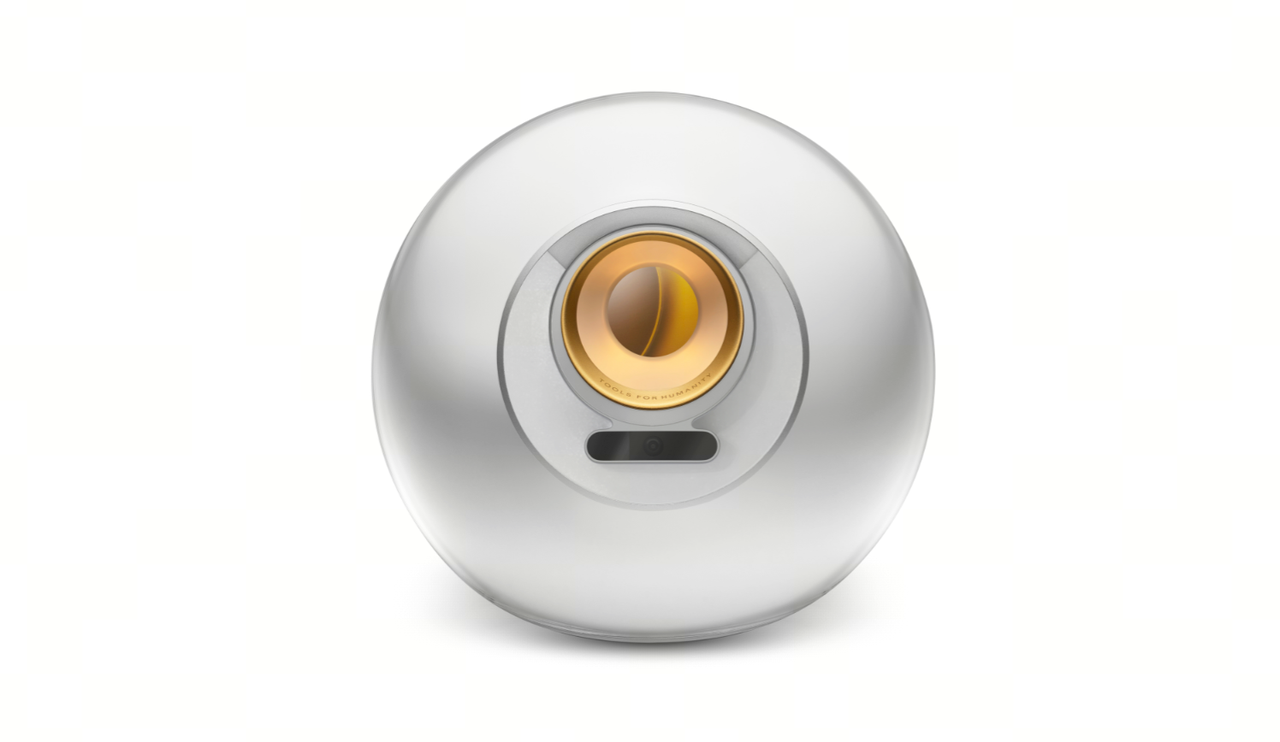
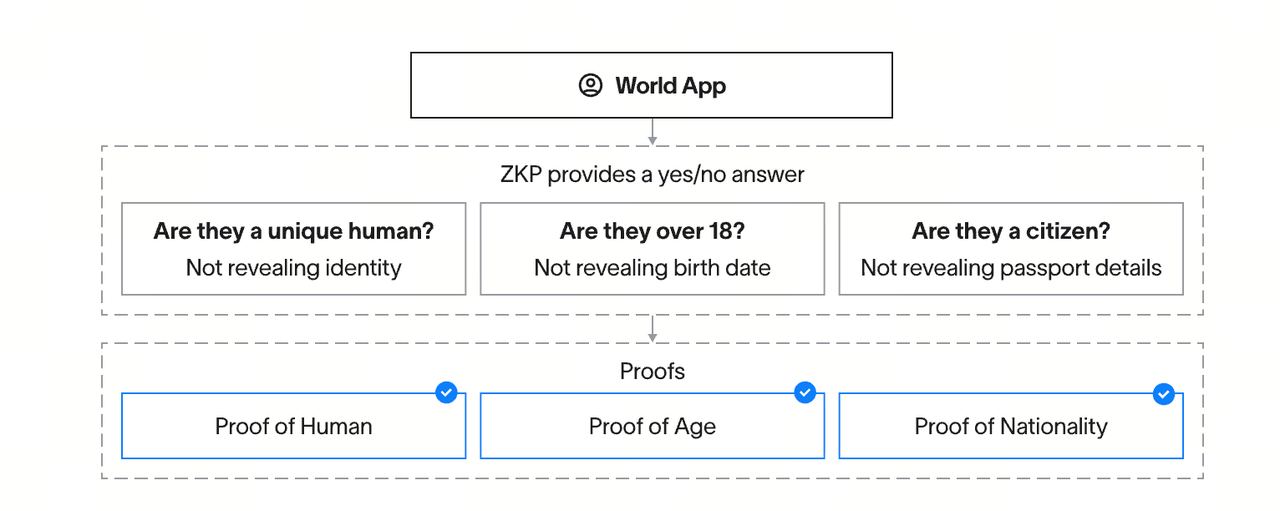
The system is designed with privacy in mind—it does not store raw biometric data. Instead, it uses encryption and zero-knowledge proofs to ensure data security. Once verified, users can authenticate across different applications with their World ID, eliminating the need for repeated verification.
What Is the Role of the WLD Token?
The WLD token is the core value unit within the Worldcoin network. It functions not only as a medium of exchange but also as an incentive and participation tool. By distributing tokens to verified users, the system aims to foster a more inclusive economic network.
In practice, WLD can be used to pay fees, participate in ecosystem applications, and support potential governance mechanisms. Its distribution model distinguishes it from traditional crypto projects, with a greater focus on expanding coverage and user growth.
What Are Worldcoin’s Application Scenarios?
Worldcoin’s use cases revolve around “identity trustworthiness” and are expanding into multiple domains. In terms of security, it can prevent Bot Account registrations, enhancing platform authenticity. In the Web3 ecosystem, it serves as a decentralized identity system for Log In and permission management.
In governance, the unique identity verification mechanism enables fairer voting processes. More broadly, Worldcoin is being explored as a foundation for global digital identity networks and inclusive financial models.
How Does Worldcoin Differ from Traditional DID?
Worldcoin and traditional decentralized identity (DID) systems differ significantly in design philosophy. Worldcoin prioritizes biometric verification to ensure each identity is unique, addressing the issue of duplicate identities. Traditional DID systems focus more on user control over data and the ability to compose identities.
As a result, these systems are not direct competitors—they address different requirements. Worldcoin is better suited for scenarios demanding high credibility and resistance to attacks, while DID systems excel where privacy and data sovereignty are paramount.
What Are the Advantages and Risks of Worldcoin?
Worldcoin’s main advantage is its scalable approach to identity verification, enabling decentralized systems to effectively counter bot attacks and support fair distribution mechanisms. However, its reliance on biometric technology has sparked privacy and regulatory concerns.
Regulations around data collection and usage vary by country, and user concerns over biometric data security mean the project faces ongoing external scrutiny. These factors represent significant sources of potential risk.
Summary
Worldcoin (WLD) exemplifies the integration of identity verification with the crypto economy, centered on building a trusted human network through Proof of Personhood. As AI technology continues to evolve, the importance of authentic identity is rising, and Worldcoin offers a promising, though still developing, solution.
Whether this model becomes the foundation of future digital society will depend on technological maturity, user adoption, and regulatory developments.
FAQs
What does Worldcoin (WLD) do?
Worldcoin is a blockchain project designed to verify real human identity and distribute cryptocurrency, with World ID providing unique identity authentication.
How does Worldcoin verify user identity?
Worldcoin uses the Orb device to scan the iris, generate an encrypted code, and create a unique World ID for on-chain verification.
What is the use of the WLD token?
WLD incentivizes user participation in the network and serves as a payment and interaction tool within the ecosystem.
What is the difference between Worldcoin and DID?
Worldcoin focuses on biometrics and uniqueness, while DID emphasizes data control and identity composition.
Is Worldcoin safe?
Worldcoin’s security depends on encryption and privacy protection mechanisms, but regulatory and privacy issues remain under discussion.