

Trade
Basic
Futures
Futures
Hundreds of contracts settled in USDT or BTC
Options
HOT
Trade European-style vanilla options
Unified Account
Maximize your capital efficiency
Demo Trading
Futures Kickoff
Get prepared for your futures trading
Futures Events
Participate in events to win generous rewards
Demo Trading
Use virtual funds to experience risk-free trading
Earn
Launch
CandyDrop
Collect candies to earn airdrops
Launchpool
Quick staking, earn potential new tokens
HODLer Airdrop
Hold GT and get massive airdrops for free
Launchpad
Be early to the next big token project
Alpha Points
NEW
Trade on-chain assets and enjoy airdrop rewards!
Futures Points
NEW
Earn futures points and claim airdrop rewards
Investment
Simple Earn
Earn interests with idle tokens
Auto-Invest
Auto-invest on a regular basis
Dual Investment
Buy low and sell high to take profits from price fluctuations
Soft Staking
Earn rewards with flexible staking
Crypto Loan
0 Fees
Pledge one crypto to borrow another
Lending Center
One-stop lending hub
VIP Wealth Hub
Customized wealth management empowers your assets growth
Private Wealth Management
Customized asset management to grow your digital assets
Quant Fund
Top asset management team helps you profit without hassle
Staking
Stake cryptos to earn in PoS products
Smart Leverage
NEW
No forced liquidation before maturity, worry-free leveraged gains
GUSD Minting
Use USDT/USDC to mint GUSD for treasury-level yields

More
Promotions
Activity Center
Join activities and win big cash prizes and exclusive merch
Referral
20 USDT
Earn 40% commission or up to 500 USDT rewards
Announcements
Announcements of new listings, activities, upgrades, etc
Gate Blog
Crypto industry articles
VIP Services
Huge fee discounts
Proof of Reserves
Gate promises 100% proof of reserves




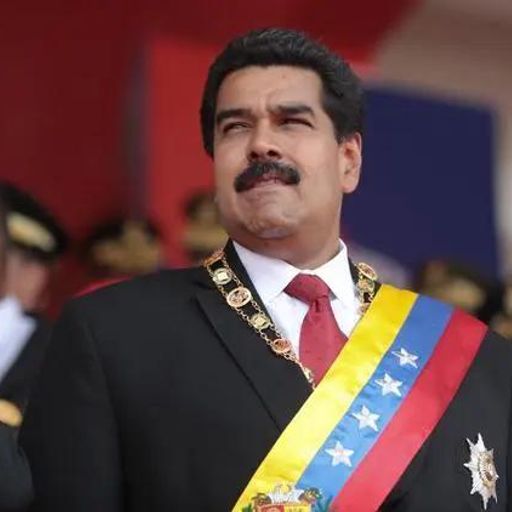

Gary Gensler Steps Down as SEC Chair: What This Means for Crypto Regulation
The U.S. Securities and Exchange Commission (SEC) has formally confirmed that Gary Gensler will be stepping down from his position as chairman, with January 20, 2025, serving as his final day. The resignation signals a potential turning point for financial market regulation and, more notably, the oversight of cryptocurrency and digital assets.
Who Was Gary Gensler and What Did He Accomplish?
Gensler’s time leading the SEC since 2021 has been marked by his efforts to strengthen regulatory frameworks aimed at protecting retail investors and maintaining the integrity of U.S. capital markets. His background prior to the SEC includes significant roles such as heading the Commodity Futures Trading Commission (CFTC), serving as Under Secretary of the Treasury for Domestic Finance, and contributing as a Senior Advisor to prominent senators on financial policy matters.
During his tenure, Gensler championed a bipartisan approach to policymaking, emphasizing constructive dialogue among stakeholders. His emphasis on investor protection became a defining feature of his regulatory approach.
Market Implications: Uncertainty Ahead
The departure of Gary Gensler has triggered speculation across financial markets about potential policy shifts. Industry observers are particularly focused on how his successor might reshape approaches to cryptocurrency regulation, corporate disclosure standards, and market efficiency frameworks.
The SEC reiterated its commitment to preserving fair, orderly, and efficient markets despite the leadership transition. However, market participants remain attentive to upcoming announcements regarding succession plans and policy priorities. The regulatory landscape for digital assets, in particular, stands at an inflection point, with investors anticipating potential adjustments to the compliance requirements that have characterized the Gensler era.