

Trade
Basic
Futures
Futures
Hundreds of contracts settled in USDT or BTC
Options
HOT
Trade European-style vanilla options
Unified Account
Maximize your capital efficiency
Demo Trading
Futures Kickoff
Get prepared for your futures trading
Futures Events
Participate in events to win generous rewards
Demo Trading
Use virtual funds to experience risk-free trading
Earn
Launch
CandyDrop
Collect candies to earn airdrops
Launchpool
Quick staking, earn potential new tokens
HODLer Airdrop
Hold GT and get massive airdrops for free
Launchpad
Be early to the next big token project
Alpha Points
NEW
Trade on-chain assets and enjoy airdrop rewards!
Futures Points
NEW
Earn futures points and claim airdrop rewards
Investment
Simple Earn
Earn interests with idle tokens
Auto-Invest
Auto-invest on a regular basis
Dual Investment
Buy low and sell high to take profits from price fluctuations
Soft Staking
Earn rewards with flexible staking
Crypto Loan
0 Fees
Pledge one crypto to borrow another
Lending Center
One-stop lending hub
VIP Wealth Hub
Customized wealth management empowers your assets growth
Private Wealth Management
Customized asset management to grow your digital assets
Quant Fund
Top asset management team helps you profit without hassle
Staking
Stake cryptos to earn in PoS products
Smart Leverage
NEW
No forced liquidation before maturity, worry-free leveraged gains
GUSD Minting
Use USDT/USDC to mint GUSD for treasury-level yields

More
Promotions
Activity Center
Join activities and win big cash prizes and exclusive merch
Referral
20 USDT
Earn 40% commission or up to 500 USDT rewards
Announcements
Announcements of new listings, activities, upgrades, etc
Gate Blog
Crypto industry articles
VIP Services
Huge fee discounts
Proof of Reserves
Gate promises 100% proof of reserves




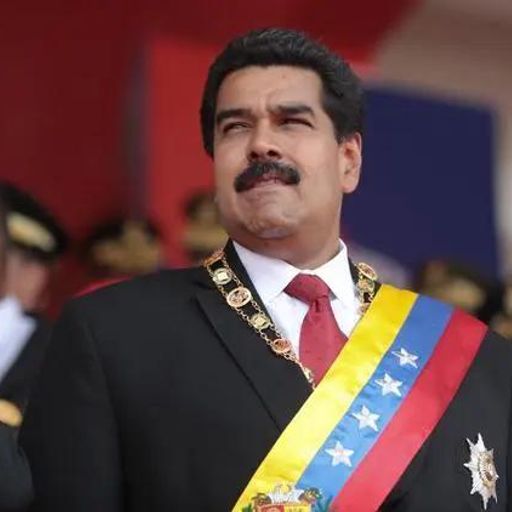

The Global Crypto Tax Landscape: Which Countries Actually Offer Tax-Free Crypto Benefits in 2025?
As regulatory frameworks tighten worldwide, an intriguing paradox emerges—certain jurisdictions are doubling down on crypto tax advantages rather than retreating. Let’s examine five nations redefining digital asset taxation in 2025 and what makes each one uniquely positioned for crypto investors.
The European Paradox: Germany’s Disciplined Approach
Germany may seem an unlikely candidate on any tax-free crypto countries list, yet it delivers a sophisticated framework for long-term holders. The structure is elegant: maintain crypto assets for 12 months or longer, and all transactions—sales, swaps, even regular spending—incur zero capital gains tax. This positions Germany as one of Europe’s most overlooked crypto tax-friendly jurisdictions.
The benefits extend further. Annual gains under €1,000 require no filing at all, and short-term traders face taxation only on profits exceeding this threshold. For disciplined investors within the EU, this represents a rare legal opportunity to maximize returns without geographical relocation.
Portugal’s Tiered Tax Strategy
Portugal rounds out Europe’s crypto-friendly landscape with a nuanced model. Assets held beyond 365 days qualify for complete capital gains exemption, making it a legitimate contender among cryptocurrency tax-free jurisdictions globally.
The Non-Habitual Resident (NHR) program amplifies these advantages for qualifying individuals, with most foreign-source digital asset income remaining tax-exempt until the program’s 2025 transition. However, short-term gains now face 28% taxation, and income from staking or business-related activities follows standard rates. Despite these conditions, Portugal continues attracting crypto professionals seeking long-term tax relief strategies.
El Salvador’s Bitcoin-First Model
El Salvador’s 2021 declaration of Bitcoin as legal tender wasn’t merely symbolic—it created a functional tax-free framework for digital assets. Zero capital gains or income tax applies across Bitcoin transactions, whether through trading, long-term holding, or Lightning Network wallets.
The emerging Bitcoin City project amplifies this positioning, designed as a geothermal-powered urban hub with comprehensive tax exemptions on income, property, and capital gains. This forward-looking infrastructure attracts miners, entrepreneurs, and digital nomads seeking integration into a Bitcoin-native economy. Notably, major players like USDT’s parent company have signaled relocation intentions, underscoring institutional confidence in the jurisdiction.
UAE: The Regulatory Gold Standard
Across all seven emirates—Dubai, Abu Dhabi and beyond—zero personal income tax and zero capital gains tax on crypto activity creates a comprehensive tax-free environment. The distinction here lies in regulatory maturity: dedicated authorities including Dubai’s Virtual Asset Regulatory Authority and the Abu Dhabi Global Market provide institutional-grade licensing frameworks.
Market data reflects this positioning: approximately 25.3% of UAE residents hold crypto assets, while Dubai scores 98.4/100 on global “crypto adoption” metrics. For protocol builders, NFT creators, and venture-backed startups, the combination of tax advantages and regulatory clarity remains unmatched.
Cayman Islands: The Established Foundation
The Cayman Islands maintain their position as the quintessential crypto tax haven, offering zero personal income tax, corporate tax, and capital gains tax—with cryptocurrencies included without exception. This framework accommodates traders, fund managers, and DeFi treasury operators equally.
Regulatory infrastructure solidifies this advantage. The Virtual Asset (Service Providers) Act’s full implementation from April 2025 establishes global-standard compliance pathways for exchanges and custodians. Combined with USD-pegged currency stability and English common-law protections, the Caymans provide institutional-grade infrastructure alongside tax neutrality.
Key Considerations Before Relocating
These five crypto tax-free countries represent genuine opportunities, yet conditions accompany benefits. Residency requirements vary significantly, documentation standards demand precision, and ongoing legal compliance remains non-negotiable.
The regulatory environment remains dynamic. El Salvador’s IMF negotiations, Portugal’s NHR program sunset, and emerging global crypto asset regulations (such as MiCA standards in Europe) demonstrate that today’s tax advantages don’t guarantee tomorrow’s stability. Investors contemplating relocation should prioritize consultation with local tax counsel, establish robust record-keeping systems, and maintain flexibility as frameworks evolve.
For those seeking crypto tax relief in 2025, these jurisdictions offer legitimate pathways—but success requires informed decision-making and continuous monitoring of regulatory shifts.