

Trade
Basic
Futures
Futures
Hundreds of contracts settled in USDT or BTC
Options
HOT
Trade European-style vanilla options
Unified Account
Maximize your capital efficiency
Demo Trading
Futures Kickoff
Get prepared for your futures trading
Futures Events
Participate in events to win generous rewards
Demo Trading
Use virtual funds to experience risk-free trading
Earn
Launch
CandyDrop
Collect candies to earn airdrops
Launchpool
Quick staking, earn potential new tokens
HODLer Airdrop
Hold GT and get massive airdrops for free
Launchpad
Be early to the next big token project
Alpha Points
NEW
Trade on-chain assets and enjoy airdrop rewards!
Futures Points
NEW
Earn futures points and claim airdrop rewards
Investment
Simple Earn
Earn interests with idle tokens
Auto-Invest
Auto-invest on a regular basis
Dual Investment
Buy low and sell high to take profits from price fluctuations
Soft Staking
Earn rewards with flexible staking
Crypto Loan
0 Fees
Pledge one crypto to borrow another
Lending Center
One-stop lending hub
VIP Wealth Hub
Customized wealth management empowers your assets growth
Private Wealth Management
Customized asset management to grow your digital assets
Quant Fund
Top asset management team helps you profit without hassle
Staking
Stake cryptos to earn in PoS products
Smart Leverage
NEW
No forced liquidation before maturity, worry-free leveraged gains
GUSD Minting
Use USDT/USDC to mint GUSD for treasury-level yields

More

Trending Topics
View More44.59K Popularity
80.33K Popularity
242.59K Popularity
18.65K Popularity
42.22K Popularity
Hot Gate Fun
View More- MC:$3.55KHolders:10.00%
- MC:$3.55KHolders:10.00%
- MC:$0.1Holders:10.00%
- MC:$3.54KHolders:10.00%
- MC:$3.55KHolders:10.00%


Pin
Gate Square New & Returning Creator Rewards are ongoing!
Your ideas may be more valuable than you think!
Make your first post or come back post to share a $20,000 monthly prize pool!
Post with #MyFirstPostOnSquare to receive a $50 Position Voucher each
Monthly Top Posters and Top Engagers will each earn an extra $50 reward
Your crypto insights could inspire many—start creating today!
👉 https://www.gate.com/postGate Square “Creator Certification Incentive Program” — Recruiting Outstanding Creators!
Join now, share quality content, and compete for over $10,000 in monthly rewards.
How to Apply:
1️⃣ Open the App → Tap [Square] at the bottom → Click your [avatar] in the top right.
2️⃣ Tap [Get Certified], submit your application, and wait for approval.
Apply Now: https://www.gate.com/questionnaire/7159
Token rewards, exclusive Gate merch, and traffic exposure await you!
Details: https://www.gate.com/announcements/article/47889Your First Words Matter!
Share your first post on and split $10,000 in New Year rewards.
Post with #My2026FirstPost to share your New Year wish
2026U Position Voucher, Gate New Year boxes, F1 Red Bull merch await you!
Ends on Jan 15, 2026, 16:00 UTC
2026 starts with this post!Gate 2025 Year-End Gala Square TOP50 List Announced!
The final ranking phase is now live.
Earn Votes by watching live streams and posting.
30 Votes = 1 chance — support your favorite creators now!
👉 https://www.gate.com/activities/community-vote-2025
iPhone 17 Pro Max, JD gift cards, Mi Band, Gate merch await you!
Creators are welcome to rally fans to climb the rankings and win rewards!
Voting ends: Jan 20, 02:00 UTC
Details: https://www.gate.com/announcements/article/48693
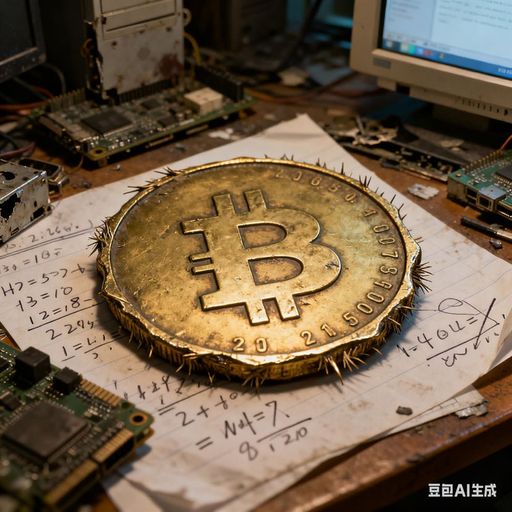
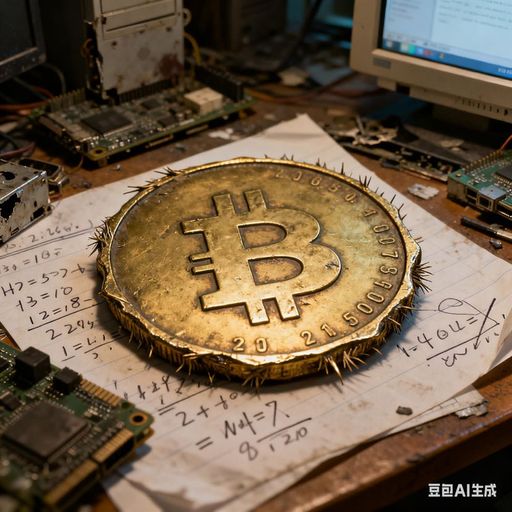
Energy reallocation in Asia pressures miners; BTC trades near US$ 93,740
The decision to redirect energy capacity to artificial intelligence data centers had an immediate impact on the Bitcoin network. In Xinjiang province, approximately 400,000 machines were shut down in just 24 hours, removing about 1.3 GW from the global capacity. Analysts estimate that up to 10% of the planet’s hash rate could be permanently lost, representing a structural reorganization of the mining industry.
This move shifts Bitcoin generation to operators with access to cheaper energy and higher operational efficiency, significantly raising the sector’s entry barrier. For miners using the Bitmain S19 XP model, the electricity break-even point dropped from US$ 0.12 to US$ 0.077 per kWh in one year—a 36% reduction. Those unable to keep up with this cost compression face increasing economic infeasibility.
Technical consolidation with divergence signals
Bitcoin closed trading on Wall Street this Tuesday at US$ 93,740, slightly recovering after repeated tests around US$ 87,700. The US$ 90,000 resistance remains a critical reference, concentrating sell orders and delimiting stronger directional movements.
From a technical perspective, the four-hour chart reveals consistent rejections at the 200-period simple and exponential moving averages. As long as the price remains below these levels, lateral continuation remains a likely scenario, with frequent support tests at lower levels.
However, the Relative Strength Index (RSI) on the three-day chart shows higher lows while the price forms lower lows—a classic bullish divergence. Similar setups in previous cycles preceded significant upward movements, signaling weakening selling pressure and increasing the likelihood of reversal if additional confirmation factors emerge.
Gold at all-time highs while BTC decouples
The expected correlation between Bitcoin and precious metals has broken in recent movements. While gold and silver hit new highs amid macroeconomic uncertainties, the crypto asset does not follow the same capital flow. The gold price chart over the last 90 days shows the metal near US$ 4,500 per ounce, reflecting a search for safe-haven assets. The BTC/XAU ratio suggests a possible technical compression of Bitcoin in relative value, indicating potential liquidity absorption by precious metals in risk-averse scenarios.
Reduced liquidity amplifies volatility
Recent data show that large investors have opened short positions in Bitcoin, Ether, and Solana totaling approximately US$ 250 million. The move reflects a strategy to hedge against further corrections, gaining importance in a low-liquidity environment.
Order book depth has significantly shrunk, making the market more sensitive to smaller operations. As the year-end approaches, many traders have reduced exposure to preserve accumulated gains. This seasonal behavior contributes to a contraction of global liquidity and increases the probability of abrupt movements, even without new catalysts.
Without a significant volume trigger accompanying the resistance recovery, the price continues testing lower zones in search of sufficient demand to absorb supply. QCP Capital emphasizes that liquidity is likely to remain reduced during the Christmas week, potentially amplifying both continuations and quick reactions to macroeconomic data.
Miner capitulation marks a transition point
The network is experiencing a period of significant stress. A recent report indicates a 4% drop in hash rate—the sharpest since the first half of 2024—paralleling a 9% monthly retracement in Bitcoin’s price. The 30-day realized volatility exceeded 45%, a level not seen since April.
This combination forces less efficient operators to shut down equipment to avoid operational losses. The capitulation process tends to reduce medium-term structural selling pressure, eliminating marginal agents who need to liquidate assets to cover immediate costs.
Historically, drops in hash rate have been followed by positive Bitcoin returns in 65% of cases after 90 days. During contraction periods over 90-day windows, the average six-month return was 72%, suggesting that miner capitulation often coincides with the exhaustion of selling pressure.
Despite difficulties, at least 13 countries are already involved in mining with some degree of state support, seeking energy or monetary sovereignty. This geographic diversification tends to sustain the network even in scenarios of regional capacity reorganization.