


العقود الآجلة
وصول إلى مئات العقود الدائمة
TradFi
الذهب
منصّة واحدة للأصول التقليدية العالمية
الخیارات المتاحة
Hot
تداول خيارات الفانيلا على الطريقة الأوروبية
الحساب الموحد
زيادة كفاءة رأس المال إلى أقصى حد
التداول التجريبي
مقدمة حول تداول العقود الآجلة
استعد لتداول العقود الآجلة
أحداث مستقبلية
"انضم إلى الفعاليات لكسب المكافآت "
التداول التجريبي
استخدم الأموال الافتراضية لتجربة التداول بدون مخاطر
إطلاق
CandyDrop
اجمع الحلوى لتحصل على توزيعات مجانية.
منصة الإطلاق
-التخزين السريع، واربح رموزًا مميزة جديدة محتملة!
HODLer Airdrop
احتفظ بـ GT واحصل على توزيعات مجانية ضخمة مجانًا
منصة الإطلاق
كن من الأوائل في الانضمام إلى مشروع التوكن الكبير القادم
نقاط Alpha
تداول الأصول على السلسلة واكسب التوزيعات المجانية
نقاط العقود الآجلة
اكسب نقاط العقود الآجلة وطالب بمكافآت التوزيع المجاني


المزيد





How Global Banks Are Accelerating XRP Adoption for Cross-Border Payments
The adoption of XRP by banks and financial institutions worldwide represents one of the most significant developments in blockchain-powered payments. From Japan to Latin America, major banking players are integrating Ripple’s technology into their core operations, fundamentally transforming how international remittances and cross-border transactions are executed. This shift demonstrates that XRP adoption by banks is no longer experimental—it’s becoming mainstream financial infrastructure.
Major Banking Players Leading XRP Adoption
The roster of institutions embracing XRP adoption reads like a who’s who of global finance. SBI Holdings, Japan’s financial giant, stands as Ripple’s most committed partner, having invested heavily in the Ripple ecosystem and integrating XRP into its payment networks. In the United States, PNC Financial Services, American Express, and Frankenmuth Credit Union have all implemented Ripple’s technology for faster international payments.
European adoption is equally impressive. Santander, spanning operations across the UK and Spain, leverages RippleNet for cross-border transactions and is actively exploring XRP for liquidity management. Standard Chartered and Commonwealth Bank of Australia are experimenting with blockchain solutions for streamlined payments. Meanwhile, Asian banking sectors including Woori Bank and Shinhan Bank in South Korea have integrated Ripple’s infrastructure for remittance services.
The Middle East and emerging markets are witnessing rapid XRP adoption by banks as well. Al Ansari Exchange in the UAE, National Bank of Fujairah, and Riyadh Bank in Saudi Arabia have all partnered with Ripple to enhance their cross-border payment capabilities. Vietcombank in Vietnam is piloting Ripple solutions to reduce remittance costs, while Standard Bank in South Africa is leveraging the technology for regional payment optimization.
The RippleNet Ecosystem: Connecting Global Finance
What truly illustrates the scale of XRP adoption is RippleNet’s global footprint. The network now comprises over 300 financial institutions utilizing Ripple’s infrastructure for faster, cheaper cross-border payments. This vast network includes payment service providers like MoneyGram, which uses XRP directly for international remittances, alongside specialized platforms like SendFriend and Remitr that have built their services on Ripple’s technology stack.
Cross River Bank has partnered with Ripple to facilitate institutional adoption, serving as a bridge between traditional banking and blockchain-powered payment solutions. This collaborative ecosystem demonstrates that XRP adoption by banks extends beyond individual institutions—it’s creating interconnected financial networks that benefit the entire payment industry.
Regulatory Clarity Driving Institutional Confidence
Regional adoption patterns reveal how XRP adoption by banks accelerates when regulatory frameworks become clearer. In the UAE, major financial institutions and the central bank are actively adopting Ripple technology for payment systems. Saudi Arabia has made similar strides, with multiple banks integrating blockchain solutions for improved efficiency. Japan is particularly notable, with projections indicating that Japanese banks are moving toward comprehensive XRP integration for enhanced cross-border payment and remittance capabilities.
Brazil exemplifies emerging market momentum, with Hashdex launching XRP-based investment vehicles and local banks implementing Ripple solutions for remittance services. Mexico follows suit with Santander Mexico and regional banks utilizing Ripple for cost-effective remittances. In Africa, countries including Nigeria and South Africa are increasingly exploring Ripple’s solutions as remittance costs and payment inefficiencies demand technological solutions.
ETFs and Institutional Investment Access
The evolution toward XRP adoption by banks has been complemented by the emergence of institutional investment vehicles. Bitwise Asset Management filed with the U.S. SEC to launch a Bitwise XRP ETF, enabling regulated institutional exposure to XRP. Brazil moved faster, with Hashdex launching the Hashdex Nasdaq XRP Fund, approved by the Brazilian Securities and Exchange Commission (CVM), providing institutional investors direct access to XRP holdings.
These developments signify that XRP adoption by banks is now supported by legitimate investment infrastructure, reducing barriers to institutional participation and further legitimizing XRP’s role in global finance.
The Market Impact: XRP’s Position in Global Finance
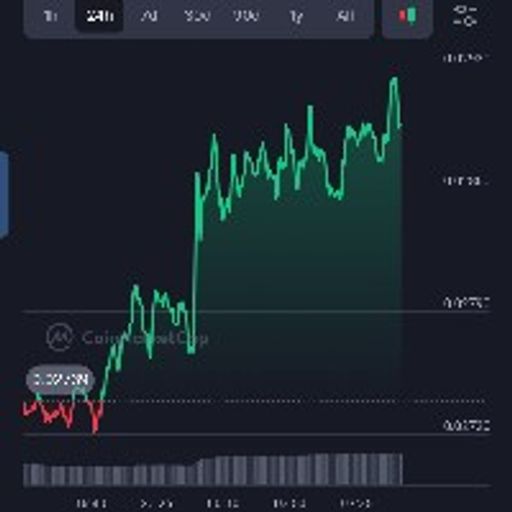
As of March 2026, XRP is priced at $1.39, reflecting ongoing market recognition of its utility in the banking sector. This valuation occurs against the backdrop of accelerating XRP adoption by banks across continents, where institutions are discovering tangible benefits: reduced transaction costs, faster settlement times, and improved liquidity management.
The trajectory of XRP adoption demonstrates that blockchain technology’s most compelling use case remains international payments. As more banks integrate RippleNet and leverage XRP, the technology’s value proposition becomes increasingly evident—cheaper, faster, and more transparent cross-border transactions that benefit the entire financial ecosystem.
Looking Forward: The Future of XRP in Banking
The momentum behind XRP adoption by banks shows no signs of slowing. Southeast Asia—including Vietnam, Thailand, and the Philippines—represents the next frontier for expansion, where high remittance volumes and payment infrastructure gaps create ideal conditions for Ripple’s solutions. Latin America and Africa similarly present significant growth opportunities as financial institutions in these regions seek cost-effective payment solutions.
The convergence of regulatory clarity, institutional investment vehicles like ETFs, and proven technological performance suggests that XRP adoption will continue accelerating. What began as experimental pilots with visionary banks has evolved into a fundamental restructuring of cross-border payment infrastructure, with XRP positioned as a core asset in this new financial landscape.