


Futures
Access hundreds of perpetual contracts
TradFi
Gold
One platform for global traditional assets
Options
Hot
Trade European-style vanilla options
Unified Account
Maximize your capital efficiency
Demo Trading
Introduction to Futures Trading
Learn the basics of futures trading
Futures Events
Join events to earn rewards
Demo Trading
Use virtual funds to practice risk-free trading
Launch
CandyDrop
Collect candies to earn airdrops
Launchpool
Quick staking, earn potential new tokens
HODLer Airdrop
Hold GT and get massive airdrops for free
Launchpad
Be early to the next big token project
Alpha Points
Trade on-chain assets and earn airdrops
Futures Points
Earn futures points and claim airdrop rewards


More




Hexun Investment Advisor Chen Xiujuan: 3 Major Messages from A-Stock Weekend Plunge
Weekend market brings three major breaking news stories, one of which directly ignited the entire scene. How should investors respond?
The first piece of news: CCTV Finance reports that building an energy powerhouse has been included in the five-year plan for the first time, with the goal of making energy greener and safer. From the EU’s launch of a clean energy package, to the UK and US respectively removing tariffs on wind power and battery materials, to 38 countries including China signing the tripled nuclear energy declaration, and considering energy subsidies and increasing nuclear and coal-fired power generation. Clearly, amid recent soaring oil prices, countries are easing restrictions on new energy and increasing industry support to reduce dependence on oil. For A-shares, the new energy industry chain benefits from domestic policies against internal competition, central media’s positioning of energy as a national strength, and new opportunities in foreign markets, with profit expectations gradually recovering. The market has shifted from initial concerns about North American power shortages and electricity calculation collaboration to expanding into energy storage, wind power, and other fields. Given recent frequent positive news on nuclear power but overall flat performance, there is some expectation of a rebound, making it worthwhile to buy on dips.
The second piece of news: Industry alert temporarily eased. The Trump administration withdrew the draft of the global export ban on AI chips. This withdrawal means NVIDIA’s global business can continue, which is undoubtedly positive for overseas supply chains like optical modules and computing power. After reaching new highs on Wednesday, related A-share sectors such as CPO have been pulling back for two days, approaching the strong support at the 20-day moving average, which warrants attention for low-level buying opportunities. For alternative chains like chips and semiconductors, the US has not loosened its high-end chip bans targeting China; restrictions remain, and US policies can change suddenly—what is withdrawn today might become more severe tomorrow. The country’s determination to achieve self-reliance remains unchanged. Core links like equipment and materials are long-term favorites, and there are still trends and strong performance certainty worth exploring.
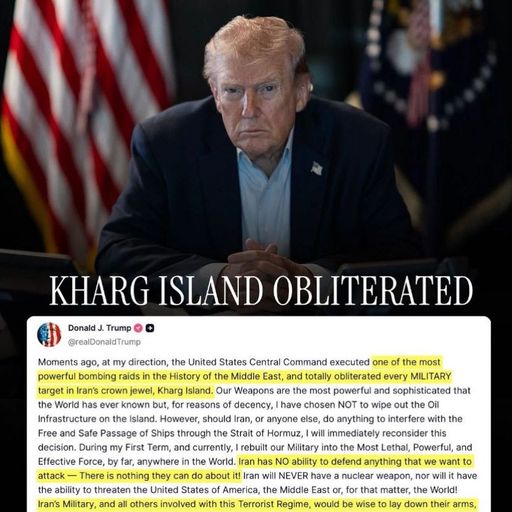
The third piece of news: Iran is reportedly considering allowing some oil tankers to pass through the Strait of Hormuz, provided the oil is settled in RMB. About one-fifth of global crude oil trade passes through the Strait. If implemented, this could help break the dollar-dominated oil trade system and increase the RMB’s share in international trade settlement. This news is positive for cross-border payments and digital currencies. In the A-share market, sectors like cross-border payments have been adjusting for two months, and indices are near the annual moving average, with both time and space sufficiently washed out. With a catalyst now and technical support, if the market can rally next Monday, small positions could be used to follow the rebound and play for a bounce.
Finally, about market trends and sector opportunities: On Friday, A-shares just rebounded sharply, but the Middle East situation escalated again over the weekend, and global markets generally declined. Next Monday, A-shares are likely to face pressure. Considering that some panic selling was already triggered on Friday’s adjustment, a further low open on Monday might attract capital back. With lighter positions, investors can buy on dips and sell high during rallies for short-term gains. Of course, until external conflicts subside, conservative investors can continue to stay on the sidelines and wait for clearer signals. In terms of sectors, those benefiting from conflicts like new energy, trending chemicals, and policy-supported computing power cooperation are worth tracking. Be cautious not to chase after big gains or high opens before the rotation pattern changes; focus on low buying.
(Edited by: Zhang Yan)
【Disclaimer】This article reflects only the author’s personal views and is not related to Hexun.com. Hexun maintains neutrality regarding the statements and opinions in this article and does not guarantee the accuracy, reliability, or completeness of the content. Readers should use it as a reference and bear all responsibilities themselves. Email: news_center@staff.hexun.com