


Futures
Access hundreds of perpetual contracts
TradFi
Gold
One platform for global traditional assets
Options
Hot
Trade European-style vanilla options
Unified Account
Maximize your capital efficiency
Demo Trading
Introduction to Futures Trading
Learn the basics of futures trading
Futures Events
Join events to earn rewards
Demo Trading
Use virtual funds to practice risk-free trading
Launch
CandyDrop
Collect candies to earn airdrops
Launchpool
Quick staking, earn potential new tokens
HODLer Airdrop
Hold GT and get massive airdrops for free
Launchpad
Be early to the next big token project
Alpha Points
Trade on-chain assets and earn airdrops
Futures Points
Earn futures points and claim airdrop rewards


More





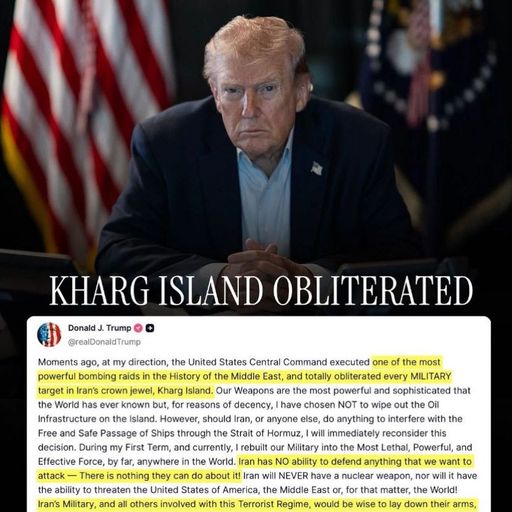
#USPlansMultinationalEscortForHormuz
🛳️ What Is Happening
The United States is planning to organize a multinational naval escort mission for commercial ships and oil tankers through the Strait of Hormuz, a strategic chokepoint in the Middle East that connects the Persian Gulf to the open ocean. The goal is to protect shipping traffic and energy exports amid rising tensions and attacks linked to the ongoing conflict involving Iran and the U.S./allied forces.
🛢️ Why the Focus on Hormuz Matters
The Strait of Hormuz is one of the most critical energy routes in the world:
Around 20% of global seaborne oil and LNG normally passes through it each day.
Because of its narrow geography and heavy reliance, any disruption — even temporary — sends shockwaves through global energy markets.
📈 Impact on Oil Prices
Due to escalating tensions and disruptions in shipping through Hormuz, oil prices have surged significantly:
Global benchmarks for crude — such as Brent — have climbed above $100 per barrel.
Some reports also show Brent near $104–$105 per barrel amid recent escalations tied to Iranian attacks and responses.
This is a major jump compared to earlier phases of the year, and prices rising toward $99–$104 reflect heightened geopolitical risk and supply concerns.
Why this price spike matters:
Higher oil prices increase energy costs worldwide.
They can contribute to global inflationary pressure.
Energy markets get more volatile as traders price in supply uncertainty.
⚓ The Escort Mission — What It Means
The U.S. wants to gather a coalition of allies to help secure shipping lanes — especially for crude oil tankers — so they can transit safely through Hormuz.
Key points:
Naval escorts would be deployed to protect commercial vessels.
The aim is to reduce maritime risk premiums and ease fear‑driven price spikes.
Allies like the UK are considering sending ships or support drones to help secure the passage.
However, there are challenges and delays:
Some allies have been slow or cautious to commit.
There’s reporting that escorts may not begin for a month due to risk assessments.
U.S. Navy officials have indicated that providing full escorts right now could be difficult due to security risks.
💥 So How Does This Affect Crypto Markets?
When oil prices surge due to geopolitical risk, it doesn’t just impact energy industries — it also influences broader financial markets, including crypto.
Here’s how:
🔹 Risk Sentiment and Safe‑Haven Flow
In times of geopolitical uncertainty, investors often move money into safe‑haven assets, like gold and sometimes stablecoins.
Cryptocurrencies — especially Bitcoin — can respond to macro risk sentiment. For example, during recent Middle East escalation, Bitcoin held above key levels despite market stress.
🔹 Higher Oil → Higher Inflation Expectations
Rising energy costs often lead to higher inflation expectations, which can affect central bank policies.
If higher inflation sticks, markets may adjust their views on interest rates and risk assets — including crypto.
🔹 Volatility Spillover
Geopolitical tension increases overall market volatility — this can lead to more dramatic price swings in crypto as capital shifts around.
Traders sometimes treat crypto as a hedge or a high‑risk alternative in turbulent times.
🔹 Correlation With Traditional Markets
In extreme macro stress, cryptocurrencies might decouple from risk assets (like equities) and act as either:
a risk‑on asset (falling when stocks fall), or
a diversifier (if macro fear pushes people into crypto).
Which direction it takes depends on sentiment and flow dynamics on any specific day.
🧠 Key Takeaways
⚠️ Geopolitical Risk Is Driving Oil
Increasing tensions near the Strait of Hormuz have pushed crude to around $99–$104 per barrel.
This is due to threats, shipping disruptions, and concerns over closures of one of the world’s most important oil routes.
⚓ Escort Plans Are Strategic — Not Instant
Naval escorts aim to reassure markets, lower risk premiums, and restore shipping, but implementation is complex and slow.
📊 Macro Markets Are Reacting
Stocks, currencies, and commodities are sensitive to this risk environment.
Higher oil prices can feed into broader inflation expectations and influence central bank thinking.
🔄 Crypto Isn’t Immune
While crypto reacts differently than oil, macroeconomic stress and volatility spillover can influence price action and sentiment.
During major global events, Bitcoin and other digital assets can either “decouple” or follow broader risk trends.
📌 Final Thought
The U.S.’s plan for a multinational escort mission in the Strait of Hormuz is a major geopolitical and economic development that has already affected energy prices and global risk sentiment. With oil near $99–$104 / barrel, markets — including crypto — are sensitive to evolving tensions. How investors position across risk assets, commodities, and digital currencies will depend on whether tensions ease or escalate further.
🛳️ What Is Happening
The United States is planning to organize a multinational naval escort mission for commercial ships and oil tankers through the Strait of Hormuz, a strategic chokepoint in the Middle East that connects the Persian Gulf to the open ocean. The goal is to protect shipping traffic and energy exports amid rising tensions and attacks linked to the ongoing conflict involving Iran and the U.S./allied forces.
🛢️ Why the Focus on Hormuz Matters
The Strait of Hormuz is one of the most critical energy routes in the world:
Around 20% of global seaborne oil and LNG normally passes through it each day.
Because of its narrow geography and heavy reliance, any disruption — even temporary — sends shockwaves through global energy markets.
📈 Impact on Oil Prices
Due to escalating tensions and disruptions in shipping through Hormuz, oil prices have surged significantly:
Global benchmarks for crude — such as Brent — have climbed above $100 per barrel.
Some reports also show Brent near $104–$105 per barrel amid recent escalations tied to Iranian attacks and responses.
This is a major jump compared to earlier phases of the year, and prices rising toward $99–$104 reflect heightened geopolitical risk and supply concerns.
Why this price spike matters:
Higher oil prices increase energy costs worldwide.
They can contribute to global inflationary pressure.
Energy markets get more volatile as traders price in supply uncertainty.
⚓ The Escort Mission — What It Means
The U.S. wants to gather a coalition of allies to help secure shipping lanes — especially for crude oil tankers — so they can transit safely through Hormuz.
Key points:
Naval escorts would be deployed to protect commercial vessels.
The aim is to reduce maritime risk premiums and ease fear‑driven price spikes.
Allies like the UK are considering sending ships or support drones to help secure the passage.
However, there are challenges and delays:
Some allies have been slow or cautious to commit.
There’s reporting that escorts may not begin for a month due to risk assessments.
U.S. Navy officials have indicated that providing full escorts right now could be difficult due to security risks.
💥 So How Does This Affect Crypto Markets?
When oil prices surge due to geopolitical risk, it doesn’t just impact energy industries — it also influences broader financial markets, including crypto.
Here’s how:
🔹 Risk Sentiment and Safe‑Haven Flow
In times of geopolitical uncertainty, investors often move money into safe‑haven assets, like gold and sometimes stablecoins.
Cryptocurrencies — especially Bitcoin — can respond to macro risk sentiment. For example, during recent Middle East escalation, Bitcoin held above key levels despite market stress.
🔹 Higher Oil → Higher Inflation Expectations
Rising energy costs often lead to higher inflation expectations, which can affect central bank policies.
If higher inflation sticks, markets may adjust their views on interest rates and risk assets — including crypto.
🔹 Volatility Spillover
Geopolitical tension increases overall market volatility — this can lead to more dramatic price swings in crypto as capital shifts around.
Traders sometimes treat crypto as a hedge or a high‑risk alternative in turbulent times.
🔹 Correlation With Traditional Markets
In extreme macro stress, cryptocurrencies might decouple from risk assets (like equities) and act as either:
a risk‑on asset (falling when stocks fall), or
a diversifier (if macro fear pushes people into crypto).
Which direction it takes depends on sentiment and flow dynamics on any specific day.
🧠 Key Takeaways
⚠️ Geopolitical Risk Is Driving Oil
Increasing tensions near the Strait of Hormuz have pushed crude to around $99–$104 per barrel.
This is due to threats, shipping disruptions, and concerns over closures of one of the world’s most important oil routes.
⚓ Escort Plans Are Strategic — Not Instant
Naval escorts aim to reassure markets, lower risk premiums, and restore shipping, but implementation is complex and slow.
📊 Macro Markets Are Reacting
Stocks, currencies, and commodities are sensitive to this risk environment.
Higher oil prices can feed into broader inflation expectations and influence central bank thinking.
🔄 Crypto Isn’t Immune
While crypto reacts differently than oil, macroeconomic stress and volatility spillover can influence price action and sentiment.
During major global events, Bitcoin and other digital assets can either “decouple” or follow broader risk trends.
📌 Final Thought
The U.S.’s plan for a multinational escort mission in the Strait of Hormuz is a major geopolitical and economic development that has already affected energy prices and global risk sentiment. With oil near $99–$104 / barrel, markets — including crypto — are sensitive to evolving tensions. How investors position across risk assets, commodities, and digital currencies will depend on whether tensions ease or escalate further.