#OilPricesPullBack
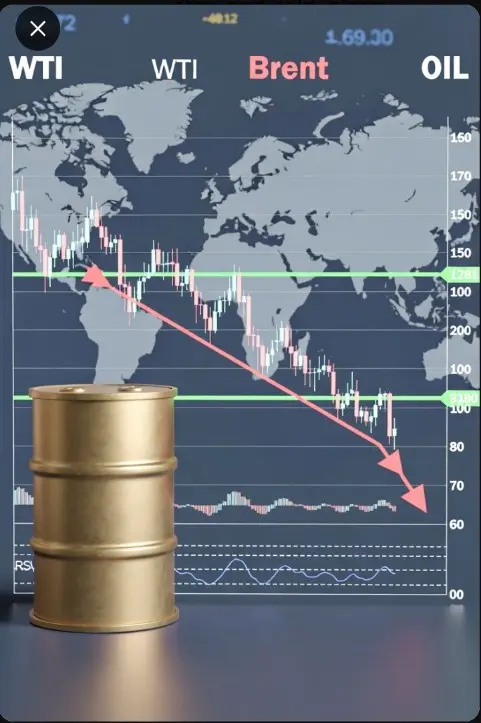
Global oil markets are experiencing a noticeable pullback after a strong rally driven by geopolitical tensions and supply concerns. However, this correction does not necessarily signal a long-term bearish trend. Instead, it reflects a complex adjustment in market expectations involving geopolitics, macroeconomics, and technical positioning.
1️⃣ Geopolitical Risk Premium Cooling
Recent oil price surges were largely fueled by rising tensions in the Middle East, particularly concerns about supply disruptions and regional conflict risks. Markets had priced in a significant geopolitical risk premium, pushing crude prices sharply higher.
As signs emerged that the situation may stabilize or avoid large-scale disruption, traders began reducing that premium. This caused prices to retrace as speculative long positions were unwound.
2️⃣ Supply Route Stability Concerns
One of the biggest fears in the oil market has been potential disruptions to key shipping routes such as the Strait of Hormuz, a corridor responsible for roughly 20% of global oil transportation.
Any threat to this route quickly drives prices higher. However, when markets realize that actual supply flows remain intact, prices often pull back as panic buying fades.
3️⃣ Profit-Taking and Market Rebalancing
After rapid price increases, institutional traders and hedge funds often lock in profits. This leads to temporary corrections even in fundamentally bullish markets.
Large speculative positions accumulated during the rally have started to unwind, creating downward pressure on crude prices in the short term.
4️⃣ Demand Concerns from Global Economic Signals
Macroeconomic indicators are also playing a role. Concerns about slowing industrial activity and global economic uncertainty are raising questions about future oil demand.
If economic growth weakens in major consuming regions such as the United States, Europe, or China, energy demand projections could soften—placing additional pressure on oil prices.
5️⃣ Technical Market Structure
From a technical perspective, the pullback was expected:
Oil markets entered overbought territory after a strong rally.
Key resistance levels triggered sell orders.
Short-term traders began closing leveraged long positions.
This kind of correction often helps stabilize the market before the next major move.
📊 Market Outlook
Short-Term:
Volatility will likely remain high as geopolitical headlines and macro data continue to influence sentiment.
Medium-Term:
If geopolitical tensions escalate again or supply disruptions occur, oil prices could quickly resume an upward trend.
Long-Term:
Supply expansion and energy transition policies could gradually limit extreme price spikes, though geopolitical shocks will continue to play a major role.
Conclusion:
The current pullback appears to be a healthy correction rather than a structural reversal. Oil markets remain highly sensitive to geopolitical developments, supply chain risks, and global economic momentum.
Global oil markets are experiencing a noticeable pullback after a strong rally driven by geopolitical tensions and supply concerns. However, this correction does not necessarily signal a long-term bearish trend. Instead, it reflects a complex adjustment in market expectations involving geopolitics, macroeconomics, and technical positioning.
1️⃣ Geopolitical Risk Premium Cooling
Recent oil price surges were largely fueled by rising tensions in the Middle East, particularly concerns about supply disruptions and regional conflict risks. Markets had priced in a significant geopolitical risk premium, pushing crude prices sharply higher.
As signs emerged that the situation may stabilize or avoid large-scale disruption, traders began reducing that premium. This caused prices to retrace as speculative long positions were unwound.
2️⃣ Supply Route Stability Concerns
One of the biggest fears in the oil market has been potential disruptions to key shipping routes such as the Strait of Hormuz, a corridor responsible for roughly 20% of global oil transportation.
Any threat to this route quickly drives prices higher. However, when markets realize that actual supply flows remain intact, prices often pull back as panic buying fades.
3️⃣ Profit-Taking and Market Rebalancing
After rapid price increases, institutional traders and hedge funds often lock in profits. This leads to temporary corrections even in fundamentally bullish markets.
Large speculative positions accumulated during the rally have started to unwind, creating downward pressure on crude prices in the short term.
4️⃣ Demand Concerns from Global Economic Signals
Macroeconomic indicators are also playing a role. Concerns about slowing industrial activity and global economic uncertainty are raising questions about future oil demand.
If economic growth weakens in major consuming regions such as the United States, Europe, or China, energy demand projections could soften—placing additional pressure on oil prices.
5️⃣ Technical Market Structure
From a technical perspective, the pullback was expected:
Oil markets entered overbought territory after a strong rally.
Key resistance levels triggered sell orders.
Short-term traders began closing leveraged long positions.
This kind of correction often helps stabilize the market before the next major move.
📊 Market Outlook
Short-Term:
Volatility will likely remain high as geopolitical headlines and macro data continue to influence sentiment.
Medium-Term:
If geopolitical tensions escalate again or supply disruptions occur, oil prices could quickly resume an upward trend.
Long-Term:
Supply expansion and energy transition policies could gradually limit extreme price spikes, though geopolitical shocks will continue to play a major role.
Conclusion:
The current pullback appears to be a healthy correction rather than a structural reversal. Oil markets remain highly sensitive to geopolitical developments, supply chain risks, and global economic momentum.