Autor: Long Yue, Wall Street Jingwen
Mit der Annäherung an die Geldpolitik-Sitzung der Bank of Japan am 19. Dezember nehmen die Sorgen auf dem Markt zu, dass möglicherweise eine hawkishe Zinserhöhung erfolgen könnte. Wird dieser Schritt das Ende der Ära des billigen Yen einläuten und eine globale Liquiditätskrise auslösen? Das neueste Strategiepapier von Western Securities vom 16. Dezember analysiert dies eingehend.
Hohe Inflation, hawkishe Zinserhöhungen in Japan unausweichlich
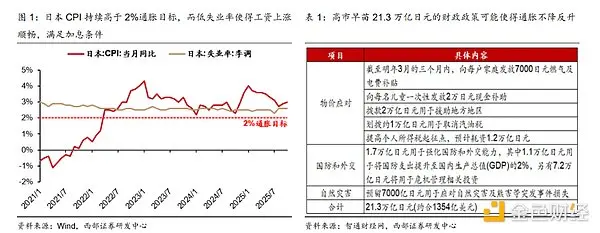
Das Papier weist darauf hin, dass die Zinserhöhung der Bank of Japan diesmal durch mehrere Faktoren getrieben wird. Erstens liegt die japanische CPI seit längerem über dem offiziellen Inflationsziel von 2 %. Zweitens bleibt die Arbeitslosenquote dauerhaft unter 3 %, was günstige Bedingungen für nominale Lohnsteigerungen schafft. Der Markt rechnet im kommenden Frühjahr (春斗, Frühjahrsverhandlungen) mit höheren Lohnsteigerungen, was den Inflationsdruck weiter erhöht. Schließlich könnte auch die von 高市早苗 eingeführte Fiskalpolitik in Höhe von 21,3 Billionen Yen die Inflation verschärfen.
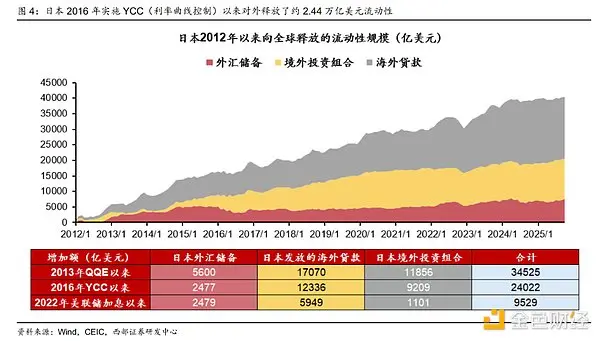
Diese Faktoren zwingen die Bank of Japan gemeinsam, eine hawkishe Haltung einzunehmen. Die Sorge besteht, dass nach einer Zinserhöhung, die sich in der Umsetzung zeigt, eine Vielzahl von „Carry-Trade“-Positionen, die sich im Zuge der YCC (Yield Curve Control) angesammelt haben, geschlossen werden könnten, was zu einer Liquiditätskrise auf den globalen Finanzmärkten führen würde.
Theoretische Analyse: Warum die gefährlichste Phase der Liquiditätskrise möglicherweise bereits vorbei ist?
Obwohl die Marktteilnehmer besorgt sind, argumentiert der Bericht, dass die Auswirkungen der japanischen Zinserhöhung auf die globale Liquidität theoretisch begrenzt sind.
Der Bericht nennt vier Gründe:
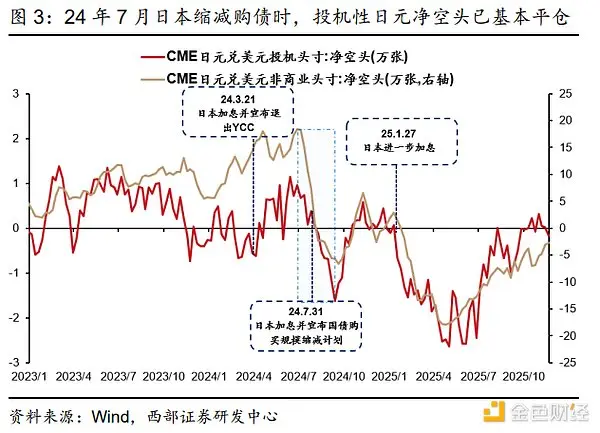
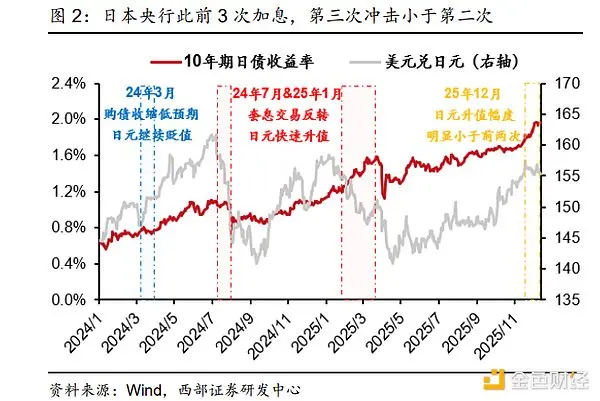
- Risiken wurden teilweise abgebaut: Die Bank of Japan hat seit März letzten Jahres drei Zinserhöhungen vorgenommen. Besonders die Erhöhung im Juli 2022 in Kombination mit dem Ausstieg aus YCC führte zu erheblichen Liquiditätsproblemen, doch die Zinserhöhung im Januar dieses Jahres hat die Auswirkungen deutlich abgeschwächt, was auf eine zunehmende Marktanpassungsfähigkeit hindeutet.
- Spekulative Positionen haben sich frühzeitig zurückgezogen: Daten aus dem Terminmarkt zeigen, dass die meisten spekulativen Yen-Short-Positionen bereits im Juli letzten Jahres geschlossen wurden. Das bedeutet, dass die aktivsten und potenziell reaktionsauslösenden Carry-Trade-Positionen bereits abgebaut sind, sodass die gefährlichste Phase der Liquiditätskrise vorbei ist.
- Makroökonomisches Umfeld unterscheidet sich: Derzeit gibt es in den USA keine Anzeichen für eine „Rezessionstrade“ wie im Juli 2022. Der Druck auf den US-Dollar ist gering, während der Yen aufgrund geopolitischer und Schuldenprobleme schwach bleibt. Dies verringert die Erwartungen auf eine Yen-Aufwertung und mildert die Dringlichkeit, Carry-Trade-Positionen zu schließen.
- „Sicherheitsnetz“ der Federal Reserve: Der Bericht hebt hervor, dass die Fed begonnen hat, potenzielle Liquiditätsrisiken ernst zu nehmen, und eine Erweiterung der Bilanz (ähnlich QE) eingeleitet hat, was die Markterwartungen stabilisieren und der globalen Finanzsystem eine Pufferfunktion bieten kann.
Konkrete Risiken: „Katalysator“ in einem fragilen Markt
Der Bericht betont, dass theoretische Sicherheit nicht gleichbedeutend mit vollständiger Sicherheit ist. Die aktuelle Fragilität der globalen Märkte ist die eigentliche Ursache, warum eine Zinserhöhung in Japan eine Schockwelle auslösen könnte. Der Bericht bezeichnet dies als „Katalysator“.
Die Analyse zeigt, dass die große Marktreaktion im Juli 2022 auf die japanische Zinserhöhung vor allem durch das Zusammenwirken zweier Faktoren verursacht wurde: „Große aktive Carry-Trade-Positionen“ und die „Rezessionstrade in den USA“. Derzeit sind die Bedingungen für den ersten Faktor abgeschwächt. Neue Risiken tauchen jedoch auf: Die globalen Aktienmärkte, insbesondere die US-Aktien, haben in den letzten 6 Jahren eine „Große Wasserbüffel“-Phase durchlaufen, was eine große Gewinnmitnahme und eine gewisse Fragilität bedeutet. Zudem steigen die Sorgen um eine „AI-Blase“ in den USA wieder, was die Risikoaversion der Anleger erhöht.
Allerdings ist die globale Aktienmarkt-„Große Wasserbüffel“-Phase, die seit 6 Jahren anhält, bereits fragil, und die Sorge um eine „AI-Blase“ in den USA steigt wieder. Das führt dazu, dass die Yen-Zinserhöhung möglicherweise zum „Katalysator“ für eine globale Liquiditätskrise werden könnte.
Vor diesem Hintergrund könnte die feststehende Entscheidung Japans, die Zinsen anzuheben, als Auslöser für Panikflucht bei den Kapitalströmen dienen und eine globale Liquiditätskrise auslösen. Der Bericht gibt jedoch eine eher optimistische Einschätzung: Diese Liquiditätskrise würde wahrscheinlich dazu führen, dass die Fed eine noch stärkere Lockerungspolitik (wie QE) umsetzt. Nach einem kurzen, heftigen Rückgang der Aktienmärkte könnten diese sich rasch erholen.
Mehr beobachten, weniger handeln, Fokus auf „Dreifach-Killer“ bei Aktien, Anleihen und Währungen
Angesichts dieser komplexen Lage empfiehlt der Bericht den Investoren: „Mehr beobachten, weniger handeln“.
Da die Entscheidungen der Bank of Japan im Wesentlichen bereits bekannt sind, aber die Kapitalflüsse schwer vorherzusagen sind, ist die beste Strategie, aufmerksam zu bleiben.
- Szenario 1: Wenn keine Panikflucht bei den Kapitalströmen auftritt, wird die tatsächliche Auswirkung der Zinserhöhung in Japan sehr begrenzt sein, und Investoren brauchen keine Maßnahmen zu ergreifen.
- Szenario 2: Wenn die Panik tatsächlich eine globale Liquiditätskrise auslöst, sollten Investoren ein wichtiges Signal genau beobachten – ob der US-Markt 2-3 Mal in Folge „Dreifach-Killer“ (Aktien, Anleihen, Währungen gleichzeitig fallend) zeigt. Wenn sich dieses Szenario im April dieses Jahres wiederholt, erhöht sich die Wahrscheinlichkeit für eine Liquiditätskrise deutlich.
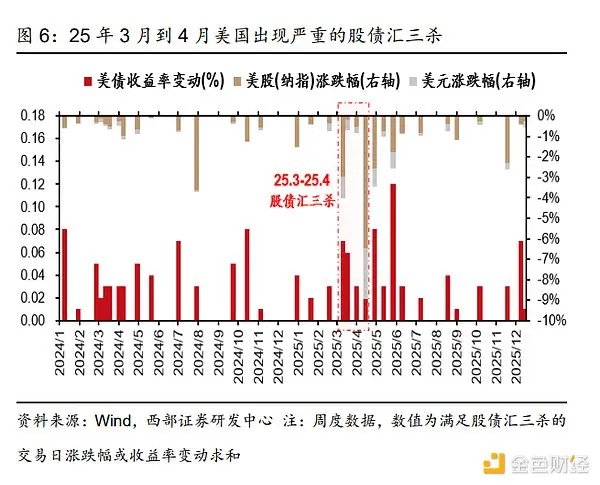
Abschließend meint der Bericht, dass selbst wenn die Zinserhöhung in Japan kurzfristig Turbulenzen auslöst, dies den langfristigen Trend einer globalen Geldpolitik der Lockerung nicht ändern wird. In diesem Kontext bleibt Gold eine strategisch attraktive Anlage. Zudem dürfte der Renminbi durch die Expansion des chinesischen Exportüberschusses und die Wiederaufnahme der Zinssenkungen durch die Fed wieder in einen mittelfristigen Aufwärtstrend eintreten, was grenzüberschreitende Kapitalflüsse beschleunigt und chinesische Vermögenswerte begünstigt. Der Bericht ist optimistisch für eine „Davis-Doppel-Explosion“ bei den Gewinnen und Bewertungen der A- und H-Aktien. Für US-Aktien und US-Staatsanleihen bleibt die Einschätzung schwankend.
Disclaimer: The information on this page may come from third parties and does not represent the views or opinions of Gate. The content displayed on this page is for reference only and does not constitute any financial, investment, or legal advice. Gate does not guarantee the accuracy or completeness of the information and shall not be liable for any losses arising from the use of this information. Virtual asset investments carry high risks and are subject to significant price volatility. You may lose all of your invested principal. Please fully understand the relevant risks and make prudent decisions based on your own financial situation and risk tolerance. For details, please refer to
Disclaimer.


