# IranUSConflictEscalates

104.1K

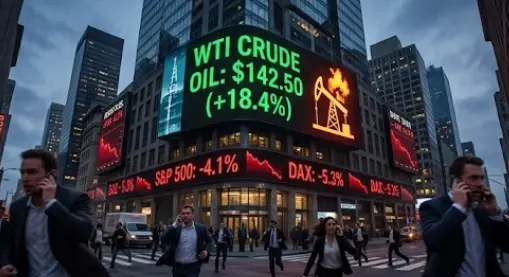
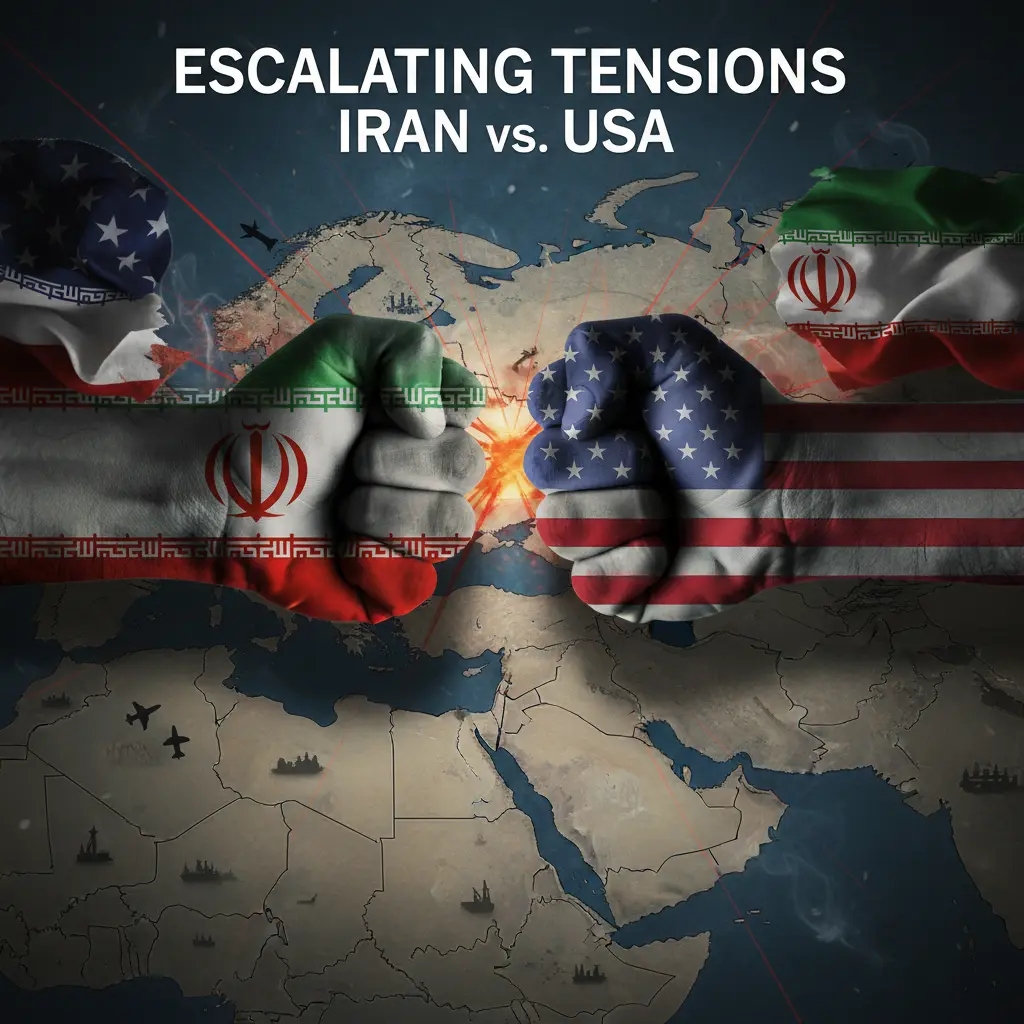
In the early hours of May 8 local time, the U.S. military violated the ceasefire agreement, launching airstrikes on Iran's coastal areas and oil tankers. The Iranian armed forces quickly counterattacked, using ballistic missiles, anti-ship cruise missiles, and drones to strike U.S. naval vessels east of the Strait of Hormuz. Iran's Revolutionary Guard claimed to have repelled three U.S. destroyers, inflicting "significant losses." Oil prices, which had plunged 7% earlier on ceasefire hopes, rebounded sharply, while U.S. stocks erased gains. Tensions at the Strait of Hormuz have reignited, fueling risk-off sentiment and near-term volatility for risk assets.

📢 Gate Square | 5/8 Hot Discussion: #美伊冲突再升级
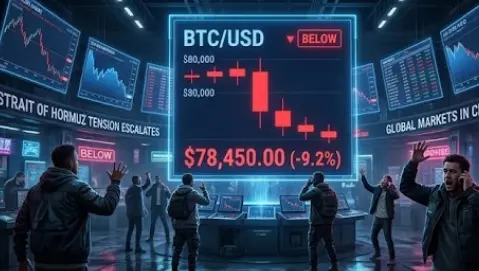
The prospects for US-Iran talks have suddenly taken a major hit. On May 8, the U.S. Central Command confirmed that U.S. forces intercepted and retaliated against an Iranian attack in the Strait of Hormuz. Owing to this geopolitical conflict, U.S. stocks promptly dropped below their highs, BTC fell through the $80,000 level, and oil prices saw a sharp V-shaped reversal. With tonight’s non-farm payroll data about to be released, can the bulls regain their ground?
🎁 Predict the market trend and draw 5 lucky Koi fish winners to share a $1,000 positio
BTC0.09%
View Original
post-image
  • Reward
  • 17
  • Repost
  • Share
AnnaCryptoWriter:
To The Moon 🌕
View More
#GateSquareMayTradingShare
#IranUSConflictEscalates
Bitcoin is currently trading near the $80,000 region after weeks of geopolitical-driven volatility, with the market continuing to react to every major development in the ongoing Iran-US conflict. BTC is hovering around $80,206 with a slight 24-hour decline of roughly 0.76%, while still maintaining a healthy monthly gain of over 11%. Despite today's weakness, Bitcoin has remained surprisingly resilient considering the scale of macro uncertainty dominating global markets.
The broader market structure reveals a very important shift in investor
BTC0.09%
MrFlower_XingChen
#GateSquareMayTradingShare
#IranUSConflictEscalates
Bitcoin is currently trading near the $80,000 region after weeks of geopolitical-driven volatility, with the market continuing to react to every major development in the ongoing Iran-US conflict. BTC is hovering around $80,206 with a slight 24-hour decline of roughly 0.76%, while still maintaining a healthy monthly gain of over 11%. Despite today's weakness, Bitcoin has remained surprisingly resilient considering the scale of macro uncertainty dominating global markets.
The broader market structure reveals a very important shift in investor behavior. Unlike previous crypto cycles driven purely by speculative leverage, the current Bitcoin trend is being heavily influenced by macroeconomic events, institutional positioning, ETF flows, and geopolitical risk sentiment. Over the past ten weeks, nearly every major BTC movement has aligned closely with developments in the Middle East conflict.
When the conflict initially escalated on February 28, Bitcoin experienced an aggressive sell-off alongside global risk assets. Investors rushed toward traditional safe havens as panic spread across financial markets. BTC quickly dropped toward the low $70,000 range, reflecting the classic “risk-off” reaction that usually follows unexpected geopolitical shocks. During this phase, fear dominated market psychology and traders reduced exposure across both equities and crypto.
However, the recovery phase that followed was equally significant. By mid-March, Bitcoin had already started outperforming many traditional asset classes. This behavior mirrors previous geopolitical crises where BTC initially falls during panic but later recovers as liquidity conditions stabilize and investors search for alternative assets. As market confidence slowly improved, Bitcoin reclaimed the $73,000 region and continued building momentum through April.
The major turning point came after the April 8 ceasefire announcement, which triggered a broader risk-on rally across crypto markets. Traders interpreted the temporary reduction in military tensions as a sign that energy markets could stabilize and inflation pressure might ease. This optimism strengthened further after renewed diplomatic discussions between Iran and the US started circulating across financial media and social platforms.
Another major catalyst emerged on May 4 following Trump’s “Project Freedom” announcement regarding ship escorts through the Strait of Hormuz. Markets viewed the move as an attempt to secure energy supply routes and reduce the probability of a larger regional disruption. Oil prices softened temporarily while crypto assets rallied sharply. Bitcoin’s move back above the psychological $80,000 level was closely linked to improving negotiation sentiment and expectations of reduced geopolitical risk.
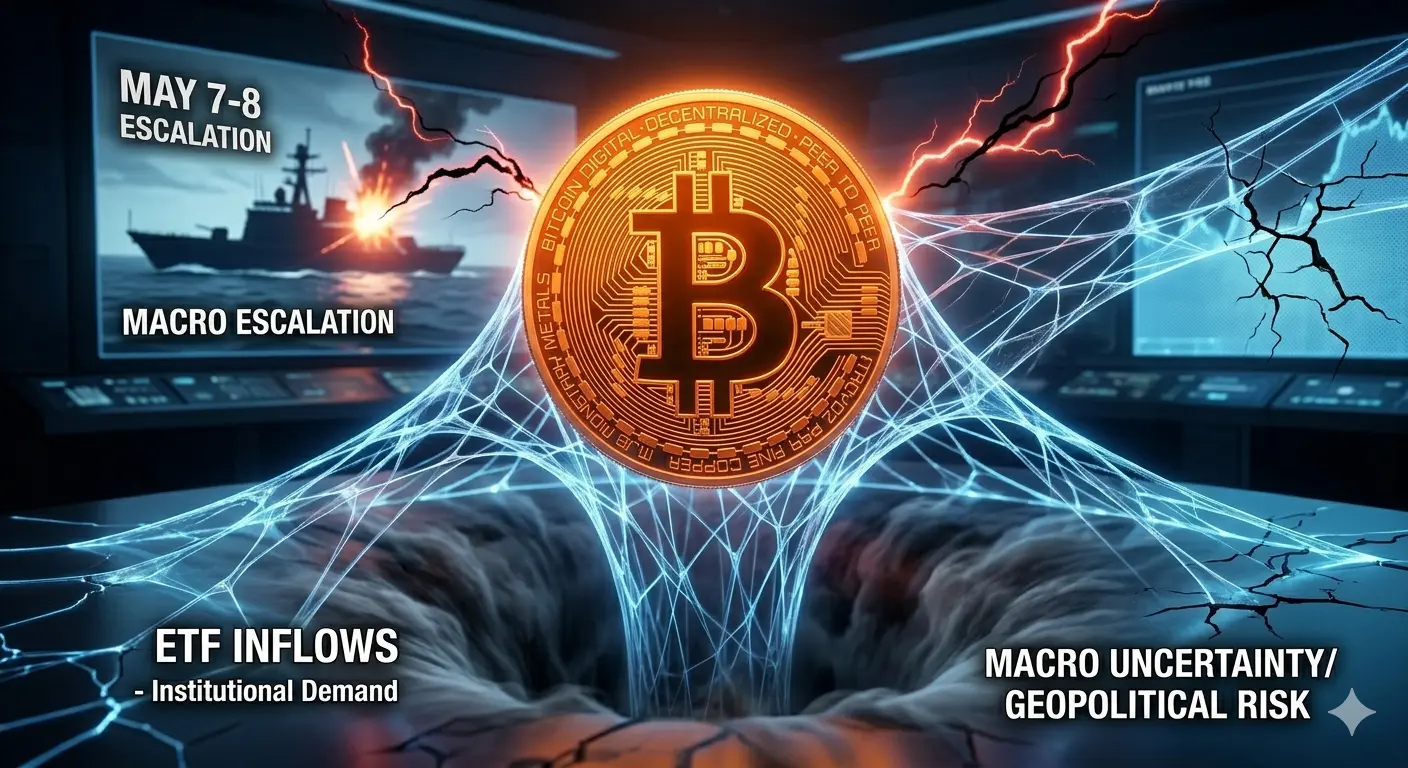
But the latest escalation during May 7–8 has once again reminded markets how fragile sentiment remains. Reports of Iranian attacks on US naval targets followed by retaliatory strikes from the United States triggered another wave of volatility across global markets. Bitcoin reacted with increased selling pressure and rising fear levels, though the longer-term trend structure still remains technically bullish.
The most important factor connecting the war to Bitcoin’s trajectory is the oil-inflation-interest rate chain reaction. The Strait of Hormuz remains one of the world’s most critical energy routes, and any threat to supply immediately impacts oil prices. Rising oil prices increase inflation expectations globally, which then forces central banks to maintain tighter monetary policy for longer periods.
This is where Bitcoin faces its biggest macro challenge.
US Treasury yields have surged sharply as markets begin pricing in the possibility that inflation could remain elevated again. Higher yields reduce liquidity appetite and create pressure on risk assets, including crypto. Markets that previously expected Federal Reserve rate cuts are now increasingly discussing the possibility of rates staying higher for longer, or even additional hikes if inflation accelerates due to energy disruptions.
At the same time, Bitcoin continues benefiting from another powerful force: institutional demand. ETF inflows have provided a major liquidity buffer throughout the conflict period. Despite repeated geopolitical shocks, BTC has consistently recovered after sell-offs, showing that large investors continue accumulating during periods of fear rather than fully exiting the market.
Technically, the broader structure still favors bulls for now. Daily moving averages remain positively aligned, with shorter-term averages holding above longer-term trend lines. Momentum indicators also suggest that the larger uptrend has not fully broken yet. However, caution signals are increasing. Some analysts are monitoring potential reversal structures forming on higher timeframes, while recent high-volume selling indicates that traders remain extremely sensitive to geopolitical headlines.
The $80,000 level has now become the key psychological battleground for Bitcoin. Holding above this zone could reinforce confidence and potentially open the door for another push higher if negotiations continue progressing. But a deeper military escalation combined with rising oil prices and stronger inflation fears could quickly pressure crypto markets again.
Beyond crypto itself, the conflict also threatens broader global growth conditions. Analysts increasingly warn that persistent energy disruptions could weaken consumer spending and slow AI-related capital investment, both of which have been important drivers of recent market optimism. If global growth expectations weaken significantly, speculative assets may struggle to maintain momentum.
For now, Bitcoin remains trapped between two opposing forces: bullish institutional accumulation and bearish macroeconomic uncertainty. Every ceasefire headline fuels optimism, while every military escalation revives inflation fears and risk-off behavior. This has created one of the most headline-sensitive BTC environments seen in recent years.
The next major move will likely depend on whether diplomatic negotiations continue advancing or collapse into a wider regional conflict. Until then, volatility is expected to remain elevated, with Bitcoin reacting rapidly to every new development across oil markets, inflation expectations, and geopolitical headlines.
#Gate13thAnniversaryLive
#GateSquareMayTradingShare
#TopCopyTradingScout
repost-content-media
  • Reward
  • Comment
  • Repost
  • Share
#GateSquareMayTradingShare
#IranUSConflictEscalates
Bitcoin is currently trading near the $80,000 region after weeks of geopolitical-driven volatility, with the market continuing to react to every major development in the ongoing Iran-US conflict. BTC is hovering around $80,206 with a slight 24-hour decline of roughly 0.76%, while still maintaining a healthy monthly gain of over 11%. Despite today's weakness, Bitcoin has remained surprisingly resilient considering the scale of macro uncertainty dominating global markets.
The broader market structure reveals a very important shift in investor
BTC0.09%
MrFlower_XingChen
#GateSquareMayTradingShare
#IranUSConflictEscalates
Bitcoin is currently trading near the $80,000 region after weeks of geopolitical-driven volatility, with the market continuing to react to every major development in the ongoing Iran-US conflict. BTC is hovering around $80,206 with a slight 24-hour decline of roughly 0.76%, while still maintaining a healthy monthly gain of over 11%. Despite today's weakness, Bitcoin has remained surprisingly resilient considering the scale of macro uncertainty dominating global markets.
The broader market structure reveals a very important shift in investor behavior. Unlike previous crypto cycles driven purely by speculative leverage, the current Bitcoin trend is being heavily influenced by macroeconomic events, institutional positioning, ETF flows, and geopolitical risk sentiment. Over the past ten weeks, nearly every major BTC movement has aligned closely with developments in the Middle East conflict.
When the conflict initially escalated on February 28, Bitcoin experienced an aggressive sell-off alongside global risk assets. Investors rushed toward traditional safe havens as panic spread across financial markets. BTC quickly dropped toward the low $70,000 range, reflecting the classic “risk-off” reaction that usually follows unexpected geopolitical shocks. During this phase, fear dominated market psychology and traders reduced exposure across both equities and crypto.
However, the recovery phase that followed was equally significant. By mid-March, Bitcoin had already started outperforming many traditional asset classes. This behavior mirrors previous geopolitical crises where BTC initially falls during panic but later recovers as liquidity conditions stabilize and investors search for alternative assets. As market confidence slowly improved, Bitcoin reclaimed the $73,000 region and continued building momentum through April.
The major turning point came after the April 8 ceasefire announcement, which triggered a broader risk-on rally across crypto markets. Traders interpreted the temporary reduction in military tensions as a sign that energy markets could stabilize and inflation pressure might ease. This optimism strengthened further after renewed diplomatic discussions between Iran and the US started circulating across financial media and social platforms.
Another major catalyst emerged on May 4 following Trump’s “Project Freedom” announcement regarding ship escorts through the Strait of Hormuz. Markets viewed the move as an attempt to secure energy supply routes and reduce the probability of a larger regional disruption. Oil prices softened temporarily while crypto assets rallied sharply. Bitcoin’s move back above the psychological $80,000 level was closely linked to improving negotiation sentiment and expectations of reduced geopolitical risk.
But the latest escalation during May 7–8 has once again reminded markets how fragile sentiment remains. Reports of Iranian attacks on US naval targets followed by retaliatory strikes from the United States triggered another wave of volatility across global markets. Bitcoin reacted with increased selling pressure and rising fear levels, though the longer-term trend structure still remains technically bullish.
The most important factor connecting the war to Bitcoin’s trajectory is the oil-inflation-interest rate chain reaction. The Strait of Hormuz remains one of the world’s most critical energy routes, and any threat to supply immediately impacts oil prices. Rising oil prices increase inflation expectations globally, which then forces central banks to maintain tighter monetary policy for longer periods.
This is where Bitcoin faces its biggest macro challenge.
US Treasury yields have surged sharply as markets begin pricing in the possibility that inflation could remain elevated again. Higher yields reduce liquidity appetite and create pressure on risk assets, including crypto. Markets that previously expected Federal Reserve rate cuts are now increasingly discussing the possibility of rates staying higher for longer, or even additional hikes if inflation accelerates due to energy disruptions.
At the same time, Bitcoin continues benefiting from another powerful force: institutional demand. ETF inflows have provided a major liquidity buffer throughout the conflict period. Despite repeated geopolitical shocks, BTC has consistently recovered after sell-offs, showing that large investors continue accumulating during periods of fear rather than fully exiting the market.
Technically, the broader structure still favors bulls for now. Daily moving averages remain positively aligned, with shorter-term averages holding above longer-term trend lines. Momentum indicators also suggest that the larger uptrend has not fully broken yet. However, caution signals are increasing. Some analysts are monitoring potential reversal structures forming on higher timeframes, while recent high-volume selling indicates that traders remain extremely sensitive to geopolitical headlines.
The $80,000 level has now become the key psychological battleground for Bitcoin. Holding above this zone could reinforce confidence and potentially open the door for another push higher if negotiations continue progressing. But a deeper military escalation combined with rising oil prices and stronger inflation fears could quickly pressure crypto markets again.
Beyond crypto itself, the conflict also threatens broader global growth conditions. Analysts increasingly warn that persistent energy disruptions could weaken consumer spending and slow AI-related capital investment, both of which have been important drivers of recent market optimism. If global growth expectations weaken significantly, speculative assets may struggle to maintain momentum.
For now, Bitcoin remains trapped between two opposing forces: bullish institutional accumulation and bearish macroeconomic uncertainty. Every ceasefire headline fuels optimism, while every military escalation revives inflation fears and risk-off behavior. This has created one of the most headline-sensitive BTC environments seen in recent years.
The next major move will likely depend on whether diplomatic negotiations continue advancing or collapse into a wider regional conflict. Until then, volatility is expected to remain elevated, with Bitcoin reacting rapidly to every new development across oil markets, inflation expectations, and geopolitical headlines.
#Gate13thAnniversaryLive
#GateSquareMayTradingShare
#TopCopyTradingScout

repost-content-media
  • Reward
  • Comment
  • Repost
  • Share
#GateSquareMayTradingShare
#IranUSConflictEscalates
Bitcoin is currently trading near the $80,000 region after weeks of geopolitical-driven volatility, with the market continuing to react to every major development in the ongoing Iran-US conflict. BTC is hovering around $80,206 with a slight 24-hour decline of roughly 0.76%, while still maintaining a healthy monthly gain of over 11%. Despite today's weakness, Bitcoin has remained surprisingly resilient considering the scale of macro uncertainty dominating global markets.
The broader market structure reveals a very important shift in investor
BTC0.09%
MrFlower_XingChen
#GateSquareMayTradingShare
#IranUSConflictEscalates
Bitcoin is currently trading near the $80,000 region after weeks of geopolitical-driven volatility, with the market continuing to react to every major development in the ongoing Iran-US conflict. BTC is hovering around $80,206 with a slight 24-hour decline of roughly 0.76%, while still maintaining a healthy monthly gain of over 11%. Despite today's weakness, Bitcoin has remained surprisingly resilient considering the scale of macro uncertainty dominating global markets.
The broader market structure reveals a very important shift in investor behavior. Unlike previous crypto cycles driven purely by speculative leverage, the current Bitcoin trend is being heavily influenced by macroeconomic events, institutional positioning, ETF flows, and geopolitical risk sentiment. Over the past ten weeks, nearly every major BTC movement has aligned closely with developments in the Middle East conflict.
When the conflict initially escalated on February 28, Bitcoin experienced an aggressive sell-off alongside global risk assets. Investors rushed toward traditional safe havens as panic spread across financial markets. BTC quickly dropped toward the low $70,000 range, reflecting the classic “risk-off” reaction that usually follows unexpected geopolitical shocks. During this phase, fear dominated market psychology and traders reduced exposure across both equities and crypto.
However, the recovery phase that followed was equally significant. By mid-March, Bitcoin had already started outperforming many traditional asset classes. This behavior mirrors previous geopolitical crises where BTC initially falls during panic but later recovers as liquidity conditions stabilize and investors search for alternative assets. As market confidence slowly improved, Bitcoin reclaimed the $73,000 region and continued building momentum through April.
The major turning point came after the April 8 ceasefire announcement, which triggered a broader risk-on rally across crypto markets. Traders interpreted the temporary reduction in military tensions as a sign that energy markets could stabilize and inflation pressure might ease. This optimism strengthened further after renewed diplomatic discussions between Iran and the US started circulating across financial media and social platforms.
Another major catalyst emerged on May 4 following Trump’s “Project Freedom” announcement regarding ship escorts through the Strait of Hormuz. Markets viewed the move as an attempt to secure energy supply routes and reduce the probability of a larger regional disruption. Oil prices softened temporarily while crypto assets rallied sharply. Bitcoin’s move back above the psychological $80,000 level was closely linked to improving negotiation sentiment and expectations of reduced geopolitical risk.
But the latest escalation during May 7–8 has once again reminded markets how fragile sentiment remains. Reports of Iranian attacks on US naval targets followed by retaliatory strikes from the United States triggered another wave of volatility across global markets. Bitcoin reacted with increased selling pressure and rising fear levels, though the longer-term trend structure still remains technically bullish.
The most important factor connecting the war to Bitcoin’s trajectory is the oil-inflation-interest rate chain reaction. The Strait of Hormuz remains one of the world’s most critical energy routes, and any threat to supply immediately impacts oil prices. Rising oil prices increase inflation expectations globally, which then forces central banks to maintain tighter monetary policy for longer periods.
This is where Bitcoin faces its biggest macro challenge.
US Treasury yields have surged sharply as markets begin pricing in the possibility that inflation could remain elevated again. Higher yields reduce liquidity appetite and create pressure on risk assets, including crypto. Markets that previously expected Federal Reserve rate cuts are now increasingly discussing the possibility of rates staying higher for longer, or even additional hikes if inflation accelerates due to energy disruptions.
At the same time, Bitcoin continues benefiting from another powerful force: institutional demand. ETF inflows have provided a major liquidity buffer throughout the conflict period. Despite repeated geopolitical shocks, BTC has consistently recovered after sell-offs, showing that large investors continue accumulating during periods of fear rather than fully exiting the market.
Technically, the broader structure still favors bulls for now. Daily moving averages remain positively aligned, with shorter-term averages holding above longer-term trend lines. Momentum indicators also suggest that the larger uptrend has not fully broken yet. However, caution signals are increasing. Some analysts are monitoring potential reversal structures forming on higher timeframes, while recent high-volume selling indicates that traders remain extremely sensitive to geopolitical headlines.
The $80,000 level has now become the key psychological battleground for Bitcoin. Holding above this zone could reinforce confidence and potentially open the door for another push higher if negotiations continue progressing. But a deeper military escalation combined with rising oil prices and stronger inflation fears could quickly pressure crypto markets again.
Beyond crypto itself, the conflict also threatens broader global growth conditions. Analysts increasingly warn that persistent energy disruptions could weaken consumer spending and slow AI-related capital investment, both of which have been important drivers of recent market optimism. If global growth expectations weaken significantly, speculative assets may struggle to maintain momentum.
For now, Bitcoin remains trapped between two opposing forces: bullish institutional accumulation and bearish macroeconomic uncertainty. Every ceasefire headline fuels optimism, while every military escalation revives inflation fears and risk-off behavior. This has created one of the most headline-sensitive BTC environments seen in recent years.
The next major move will likely depend on whether diplomatic negotiations continue advancing or collapse into a wider regional conflict. Until then, volatility is expected to remain elevated, with Bitcoin reacting rapidly to every new development across oil markets, inflation expectations, and geopolitical headlines.
#Gate13thAnniversaryLive
#GateSquareMayTradingShare
#TopCopyTradingScout
repost-content-media
  • Reward
  • Comment
  • Repost
  • Share
#IranUSConflictEscalates
#美伊冲突再升级 — Markets Enter a High-Risk Volatility Zone
Global markets are once again being dominated by geopolitical fear after reports of renewed military confrontation near the Strait of Hormuz triggered a sharp shift in investor sentiment. What initially appeared to be easing tensions quickly reversed into another risk-off event, sending shockwaves across oil, equities, and crypto markets.
The Strait of Hormuz remains one of the most strategically important energy routes in the world. Any military escalation around this region instantly impacts oil supply expectatio
BTC0.09%
ETH0.73%
post-image
post-image
post-image
post-image
  • Reward
  • Comment
  • Repost
  • Share
#IranUSConflictEscalates #IranUSConflictEscalates: Tensions Surge, Markets React as Geopolitical Risk Spikes
Global attention has shifted sharply as the long-simmering friction between Iran and the United States intensifies. The hashtag is rapidly trending across social media, with fresh reports of heightened military movements, diplomatic expulsions, and rising rhetoric from both sides.
The escalation comes amid stalled nuclear negotiations and renewed economic sanctions, pushing the region toward a precarious brink.
Key Developments (Last 24 Hours):
· Military Posturing: US naval assets rep
BTC0.09%
post-image
  • Reward
  • Comment
  • Repost
  • Share
#IranUSConflictEscalates
Global financial markets are currently entering one of the most sensitive macro-driven phases of recent cycles as geopolitical tensions between Iran and the United States continue to escalate. This is not a normal news headline reaction anymore, and it is not a short-term speculative move either. What we are witnessing right now is a full-scale macro repricing environment where geopolitical uncertainty is directly influencing liquidity flows, inflation expectations, institutional positioning, and cross-asset volatility structures across the entire global financial sys
post-image
post-image
  • Reward
  • Comment
  • Repost
  • Share
#BitcoinFallsBelow80K #IranUSConflictEscalates
The global financial system has once again entered a dangerous phase where geopolitics, inflation, energy markets, and digital assets are colliding at the same time. What began as another tense standoff between the United States and Iran has now evolved into a direct military confrontation near one of the most strategically important waterways on Earth — the Strait of Hormuz.
On May 8, the world witnessed a sharp escalation after U.S. Central Command confirmed military retaliation against Iranian targets following attacks near the Strait. Iranian
BTC0.09%
ETH0.73%
SOL4.23%
post-image
  • Reward
  • Comment
  • Repost
  • Share
𝐖𝐇𝐀𝐓 #𝐌𝐀𝐑𝐊𝐄𝐓𝐒 𝐀𝐑𝐄 𝐆𝐄𝐓𝐓𝐈𝐍𝐆 𝐖𝐑𝐎𝐍𝐆 𝐎𝐍 𝐑𝐀𝐓𝐄 𝐇𝐈𝐊𝐄𝐒
🧐 𝐓𝐇𝐄 𝐆𝐀𝐏 𝐁𝐄𝐓𝐖𝐄𝐄𝐍 𝐄𝐐𝐔𝐈𝐓𝐈𝐄𝐒 𝐀𝐍𝐃 𝐑𝐄𝐀𝐋𝐈𝐓𝐘
U.S. equities keep printing new highs. Oil prices hold near $100. Rate expectations remain elevated. One of these things cannot be right, and ING's latest analysis pins the mismatch on something specific: markets are overpricing how aggressively central banks will actually hike .
The core argument is straightforward. Current market pricing embeds significant tightening from the Fed, ECB, and BOE. But the underlying assumptions driving that
BTC0.09%
  • Reward
  • Comment
  • Repost
  • Share
#IranUSConflictEscalates
The market suddenly shifted from calm to defensive again after the latest US–Iran developments.
Once reports came out about military activity around the Strait of Hormuz, risk assets reacted immediately. U.S. equities pulled back from intraday highs, oil made a sharp V-shaped move, and lost the $80K level again.
Personally, I think the biggest issue right now is uncertainty rather than the conflict itself. Markets can usually handle bad news — what they struggle with is not knowing how far things could go.
What I’m watching most closely is whether this situation stay
BTC0.09%
CryptoSelf
#IranUSConflictEscalates
The market suddenly shifted from calm to defensive again after the latest US–Iran developments.
Once reports came out about military activity around the Strait of Hormuz, risk assets reacted immediately. U.S. equities pulled back from intraday highs, oil made a sharp V-shaped move, and lost the $80K level again.
Personally, I think the biggest issue right now is uncertainty rather than the conflict itself. Markets can usually handle bad news — what they struggle with is not knowing how far things could go.
What I’m watching most closely is whether this situation stays limited or starts affecting global energy flows more seriously. The Strait of Hormuz is too important for oil logistics, so even small escalations there quickly impact broader market sentiment.
As for BTC, I still think the structure is stronger than many people expect. ETF inflows remain solid, and despite the pullback, buyers are still active around key support zones. If macro pressure eases even slightly, reclaiming $80K again is possible.
Tonight’s payroll data will probably decide short-term direction.
If the numbers come in weaker than expected, markets may start pricing stronger rate-cut expectations again, which could help both crypto and equities recover. But if employment data stays too strong, the Fed pressure story continues, and risk assets could remain under stress.
Right now this feels like a market caught between macro uncertainty and long-term bullish positioning.
And usually, when both sides build pressure at the same time, volatility expands fast.
#CryptoMarketSeesVolatility #GateSquare #CreatorCarnival #GateSquareMayTradingShare
repost-content-media
  • Reward
  • 8
  • Repost
  • Share
ToTheYUE:
2026 GOGOGO 👊
View More
Load More