


A Garden in Tokyo, a Forum in Moscow: Why April 2026 Could Be Web3’s Busiest Month in History
Crypto is being discussed in a 400-year-old Japanese garden. Eleven days later, 20,000 people gather in Moscow for AI x blockchain.
This is no coincidence. It’s a signal of where the industry is heading.
———
Scene 1 — Tokyo, April 7–8: Happo-en Garden
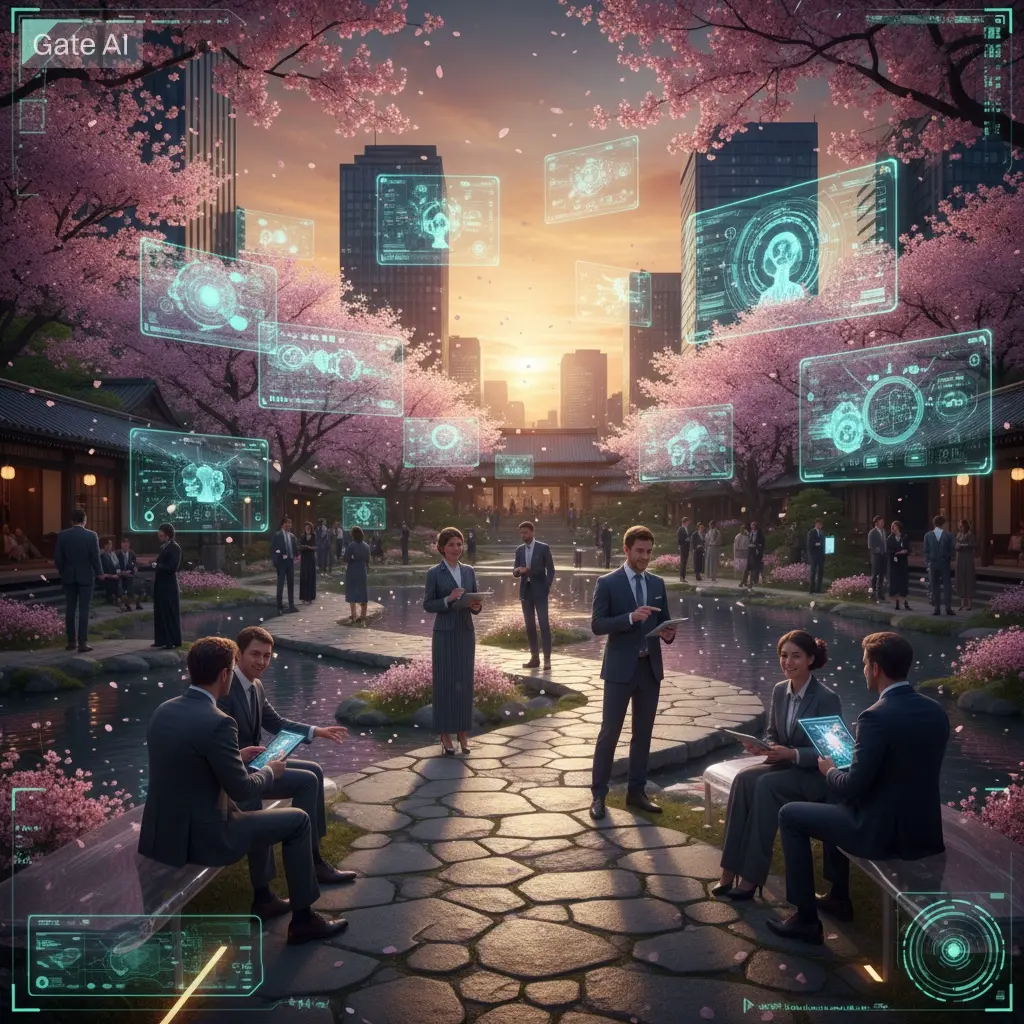
The TEAMZ Web3/AI Summit 2026 opens in one of Tokyo’s most prestigious venues: Happo-en. A 400-year-old Japanese garden. Cherry blossom season. And inside, Web3 entrepreneurs, investors, engineers, and policymakers from all over the world.
This choice is no accident.
Japan is one of the earliest countries to establish a comprehensive crypto regulatory framework. It has government-level Web3 policies. Its culture blends technology with traditional aesthetics. TEAMZ knows this — the event is positioned not as a conference but as a cultural crossroads.
Topics discussed throughout the program: cross-chain infrastructure, AI-powered smart contracts, DAO governance, enterprise Web3 integration, and crypto adoption models specific to Asian markets. Japan’s regulatory maturity provides fertile ground for these discussions — while most other countries are still asking “how to regulate crypto,” Tokyo is already looking ahead.
———
Scene 2 — Moscow, April 14–15: AI Future
Just 11 days later, the scene shifts.
The AI Future forum, part of Blockchain Forum 2026, takes place in Moscow. The numbers are striking: over 20,000 participants from 100 countries, 200 speakers, 250 sponsors.
Led by Sergei Khitrov, founder of Blockchain Life and Listing.Help, this forum officially confirms a reality: AI and blockchain are no longer separate sectors.
Throughout 2024–2025, almost every major crypto project, exchange, mining company, and Web3 initiative integrated AI. From trading analytics to infrastructure optimization, service automation to product development speed, AI was present at every layer. Now, the results of that integration are coming to the stage.
Presentations at AI Future will include verifiably computational infrastructure, on-chain AI agents, cross-chain AI coordination, decentralized model extraction, and autonomous systems running on blockchain.
———
But the Real Question: Will These Events Move Prices?
Directly and guaranteed: no.
Indirectly and historically: yes.
Projects emerging from ETHDenver shaped DeFi infrastructure. Partnerships announced during Consensus weeks accelerated institutional adoption. TEAMZ panels in 2024 laid the groundwork for Japan’s regulatory framework.
Forums don’t move prices; they create consensus. And in crypto markets, consensus eventually moves everything.
———
April 2026: A Bear Market of Construction or a Turning Point?
The answer is still unknown. But one thing is clear:
ETHGlobal hackathon in Cannes (April 3–5), TEAMZ Summit in Tokyo (April 7–8), AI Future in Moscow (April 14–15) — all in the same month, back to back.
While the market’s fear & greed index hovers at 9, the world’s most skilled developers, investors, and policymakers are filling the same rooms in the same weeks.
This simultaneity signals something important: no matter short-term price movements, the long-term architecture is being built. And those at the table aren’t waiting for the table to turn.
———
Tokyo or Moscow — Which Matters More?
Asking this is the wrong question.
TEAMZ represents Asia’s view of Web3: regulated, cultural, corporate.
AI Future represents global scale: large, multidisciplinary, capital-intensive.
They are not competitors; they are complementary. When these two schools speak simultaneously in April 2026, the resulting picture shows Web3 is globalizing geographically and ideologically.
———
Which of these events will you follow? TEAMZ’s Asia-focused approach, or AI Future’s global scale?
Comment below — the best discussions happen beyond price charts.
Disclaimer: This article is for informational purposes only and is not investment advice.
#TEAMZ #AIFuture #ArtificialIntelligence #Web3AI #GateSquare
Crypto is being discussed in a 400-year-old Japanese garden. Eleven days later, 20,000 people gather in Moscow for AI x blockchain.
This is no coincidence. It’s a signal of where the industry is heading.
———
Scene 1 — Tokyo, April 7–8: Happo-en Garden
The TEAMZ Web3/AI Summit 2026 opens in one of Tokyo’s most prestigious venues: Happo-en. A 400-year-old Japanese garden. Cherry blossom season. And inside, Web3 entrepreneurs, investors, engineers, and policymakers from all over the world.
This choice is no accident.
Japan is one of the earliest countries to establish a comprehensive crypto regulatory framework. It has government-level Web3 policies. Its culture blends technology with traditional aesthetics. TEAMZ knows this — the event is positioned not as a conference but as a cultural crossroads.
Topics discussed throughout the program: cross-chain infrastructure, AI-powered smart contracts, DAO governance, enterprise Web3 integration, and crypto adoption models specific to Asian markets. Japan’s regulatory maturity provides fertile ground for these discussions — while most other countries are still asking “how to regulate crypto,” Tokyo is already looking ahead.
———
Scene 2 — Moscow, April 14–15: AI Future
Just 11 days later, the scene shifts.
The AI Future forum, part of Blockchain Forum 2026, takes place in Moscow. The numbers are striking: over 20,000 participants from 100 countries, 200 speakers, 250 sponsors.
Led by Sergei Khitrov, founder of Blockchain Life and Listing.Help, this forum officially confirms a reality: AI and blockchain are no longer separate sectors.
Throughout 2024–2025, almost every major crypto project, exchange, mining company, and Web3 initiative integrated AI. From trading analytics to infrastructure optimization, service automation to product development speed, AI was present at every layer. Now, the results of that integration are coming to the stage.
Presentations at AI Future will include verifiably computational infrastructure, on-chain AI agents, cross-chain AI coordination, decentralized model extraction, and autonomous systems running on blockchain.
———
But the Real Question: Will These Events Move Prices?
Directly and guaranteed: no.
Indirectly and historically: yes.
Projects emerging from ETHDenver shaped DeFi infrastructure. Partnerships announced during Consensus weeks accelerated institutional adoption. TEAMZ panels in 2024 laid the groundwork for Japan’s regulatory framework.
Forums don’t move prices; they create consensus. And in crypto markets, consensus eventually moves everything.
———
April 2026: A Bear Market of Construction or a Turning Point?
The answer is still unknown. But one thing is clear:
ETHGlobal hackathon in Cannes (April 3–5), TEAMZ Summit in Tokyo (April 7–8), AI Future in Moscow (April 14–15) — all in the same month, back to back.
While the market’s fear & greed index hovers at 9, the world’s most skilled developers, investors, and policymakers are filling the same rooms in the same weeks.
This simultaneity signals something important: no matter short-term price movements, the long-term architecture is being built. And those at the table aren’t waiting for the table to turn.
———
Tokyo or Moscow — Which Matters More?
Asking this is the wrong question.
TEAMZ represents Asia’s view of Web3: regulated, cultural, corporate.
AI Future represents global scale: large, multidisciplinary, capital-intensive.
They are not competitors; they are complementary. When these two schools speak simultaneously in April 2026, the resulting picture shows Web3 is globalizing geographically and ideologically.
———
Which of these events will you follow? TEAMZ’s Asia-focused approach, or AI Future’s global scale?
Comment below — the best discussions happen beyond price charts.
Disclaimer: This article is for informational purposes only and is not investment advice.
#TEAMZ #AIFuture #ArtificialIntelligence #Web3AI #GateSquare
 :
: