#Strategy加码BTC配置 Many people have been messing around in the crypto world for a year, but their accounts still haven't made any progress. To be honest, it's not that the market is bad, but that they haven't figured out the market's temperament.
Over the past two years, I have summarized a relatively stable operational logic, from selecting coins to selling, which has been tested through multiple cycles with good results. Sharing it with everyone to see if it can give you some inspiration.
**How to find coins worth jumping in?**
Look for targets on the gain leaderboard that have had a good increase within 11 days, and add them to your watchlist. But there's a key filtering condition: if a coin has fallen for more than 3 days in a row, pass on it. Why? It indicates that big players may have already finished their positions, retail investors have taken profits and run, and the risk of being left holding the bag is too high.
**Use the monthly chart to confirm the main trend**
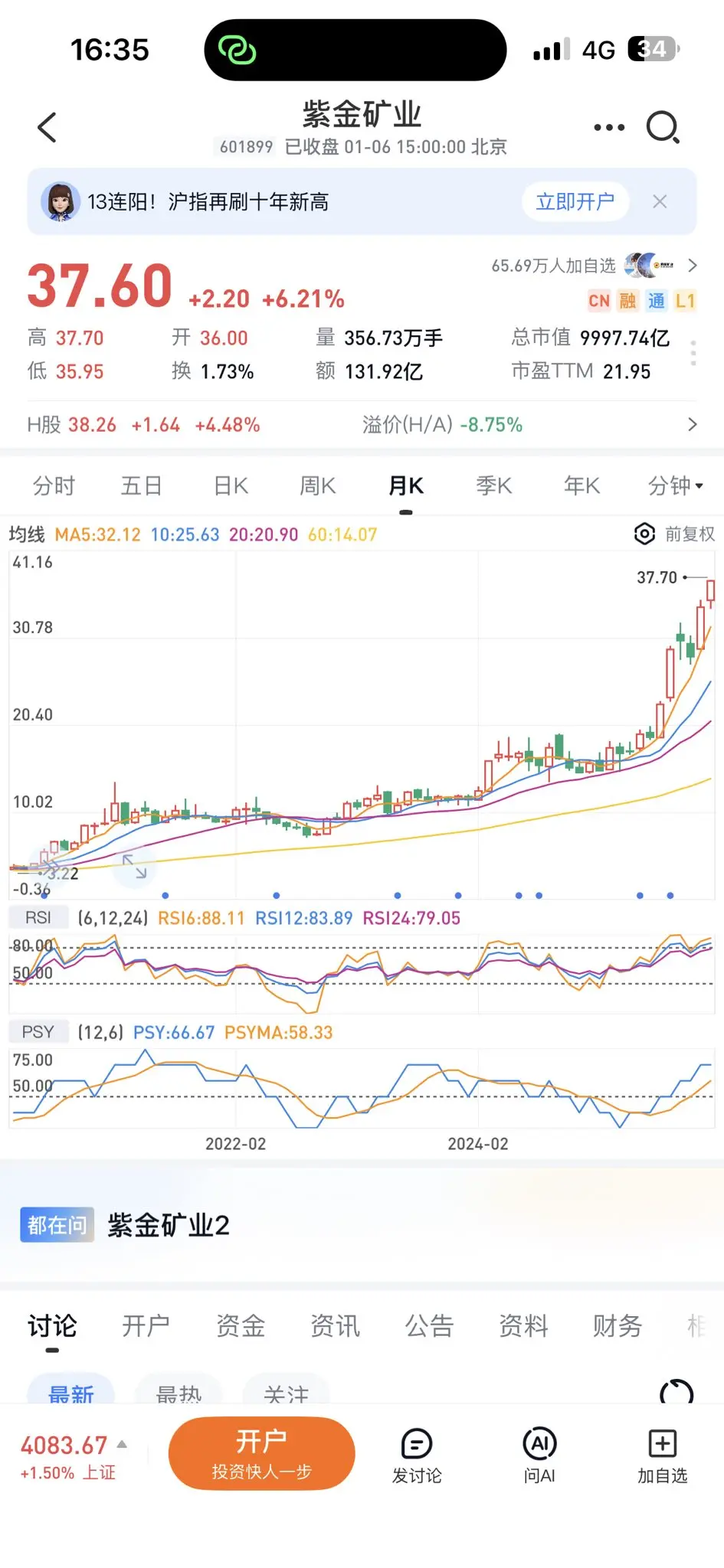
Switch to the monthly chart, and only look at coins where the MACD shows a golden cross. This step isn't for precise bottom-fishing, but to ensure your trading direction aligns with the overall trend. Trading against the trend in crypto only results in one outcome—losses.
**Find specific entry points on the daily chart**
Switch to the daily chart, focusing on the 60-day moving average. When the price falls back near the 60 MA and is accompanied by volume-increasing candlestick signals, that's the time to heavily allocate. Don't wait for the perfect entry point, because perfect points are impossible to catch.
**Selling discipline determines final gains**
After entering, manage risk around the 60-day moving average: hold the coin as long as the price stays above the MA, and exit if it breaks below. How to divide the sales?
When the price rises 30%, sell 1/3 to lock in some profits; when it reaches 50%, sell another 1/3. The final 1/3's success or failure depends on this rule: if the price drops below the 60 MA the day after buying, you must cut all positions immediately, leaving no profit behind. It sounds harsh, but this is the bottom line for survival.
Although after the combined filtering of the monthly and daily charts, the probability of breaking below is quite low, anything can happen in crypto. Preserving capital is always more important than maximizing profits—this is a lesson I learned the hard way.
After selling, don't completely exit the market. Keep observing, and if the price rises back above the 60 MA and triggers your previous buy conditions, you can re-enter at any time. Flexibility and discipline are both essential.
Consistently review and refine your strategy framework; only then can you become more stable in this market. Hope this approach helps you.