#ETHMarketAnalysis |Ethereum Q1 2026 Outlook Technical, Institutional, and Network Insights
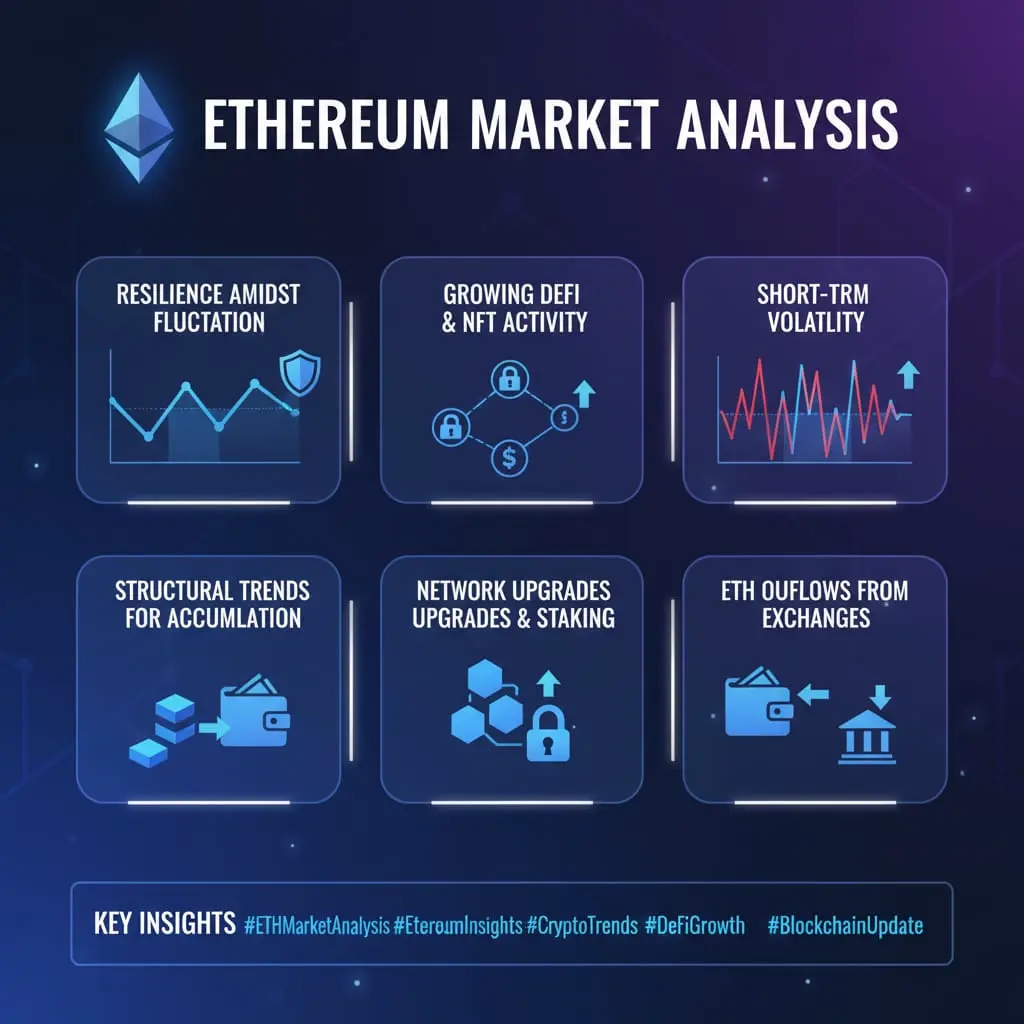
As of February 2026, Ethereum (ETH) is demonstrating remarkable resilience amid macroeconomic pressures, evolving market sentiment, and upcoming protocol upgrades. Despite intermittent volatility, structural indicators point to a network that is strengthening steadily, both technically and institutionally, reinforcing Ethereum’s position as the leading smart contract platform.
Technical Analysis and Price Movements
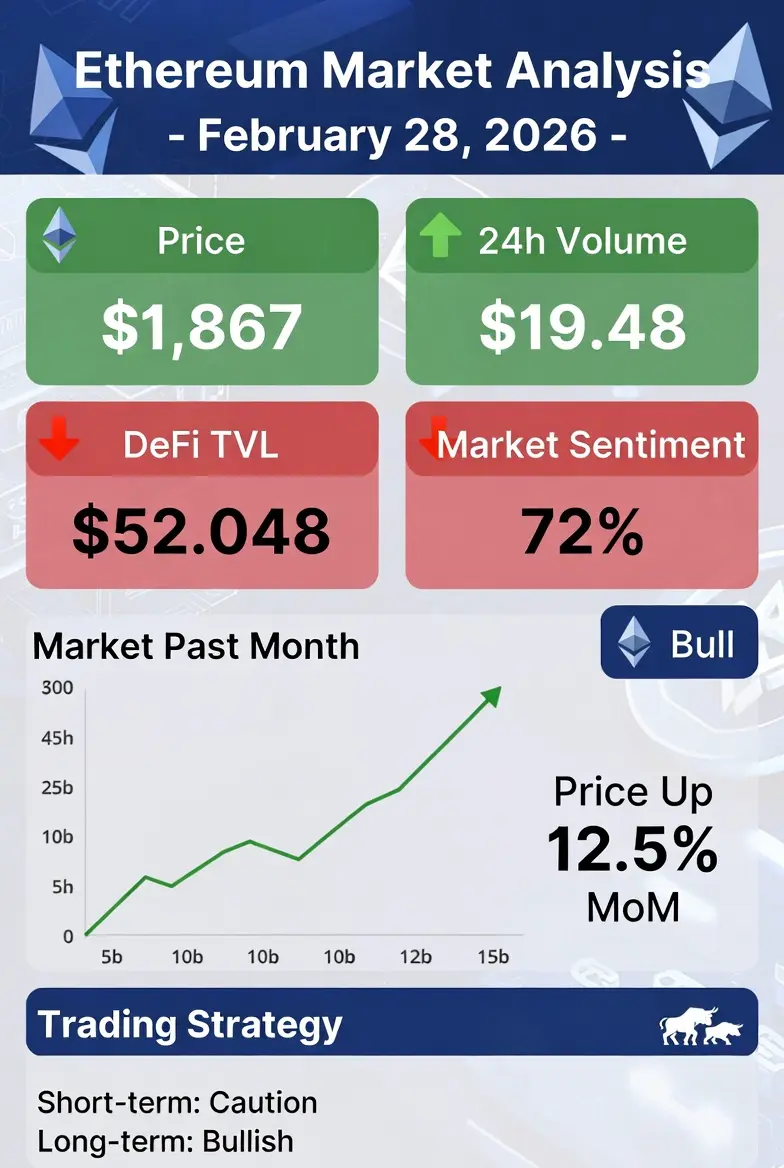
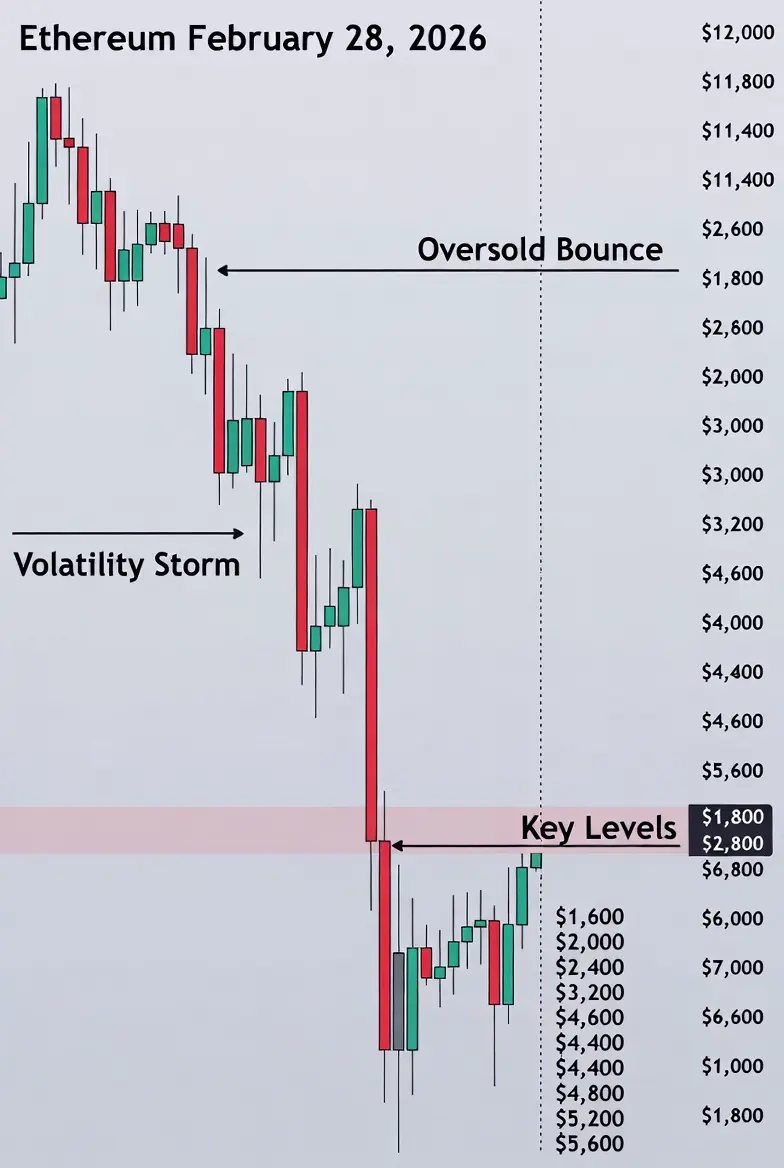
In early 2026, Ethereum established the $2,000 level as a critical pivot, serving as both psychological support and reference for institutional activity. Following a temporary pullback toward $1,800, the market saw absorption by institutional buyers at these zones, allowing ETH to recover and stabilize above $2,000.
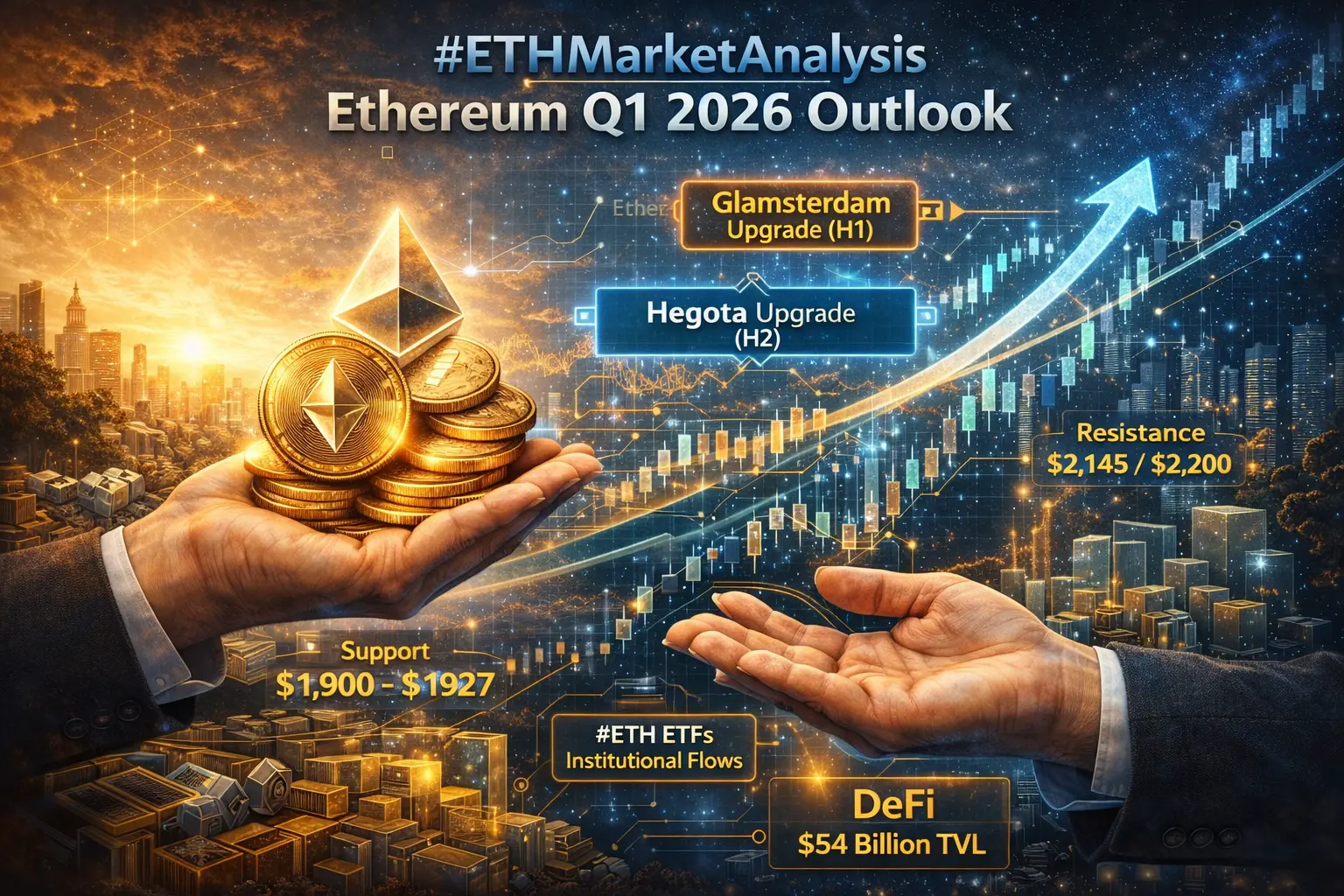
Key support zones are now observed between $1,900 and $1,927. A sustained close below this range could signal a retracement toward $1,770, potentially attracting additional accumulation at lower levels. On the upside, Ethereum faces structural resistance around $2,145 and $2,200. Breaching these thresholds on strong volume could trigger a short-term rally toward $2,500 in March.
Technical indicators are aligning for a potential rebound. The RSI (Relative Strength Index) has been recovering from oversold levels of approximately 29–33, indicating the potential for short-term relief rallies. This recovery suggests that downward momentum may be slowing, and bullish interest could dominate as ETH stabilizes around key support levels.
Institutional Adoption and ETF Liquidity
Institutional participation continues to shape Ethereum’s price dynamics. Spot Ethereum ETFs remain a major liquidity driver, influencing both inflows and outflows across the market. A temporary net outflow of $160 million observed in mid-February transitioned to net inflows by month-end, signaling renewed institutional confidence in ETH at current levels.
Prominent investors and institutions, including BlackRock (ETHA) and 21Shares, have been accumulating ETH, viewing the current price as a strategic entry point. This activity reinforces market confidence and highlights Ethereum’s credibility as an investment-grade digital asset. In the derivatives markets, options expiring around February 27 showed a “max pain” point near $2,200, suggesting that market makers could influence short-term price movements toward this level to optimize options positioning.
Institutional flows are critical for Ethereum because they bring liquidity, reduce volatility, and foster long-term market stability. The combination of ETF participation, strategic accumulation, and derivatives positioning indicates that ETH remains a primary focus for both traders and long-term holders.
Ethereum’s Technological Roadmap: Glamsterdam and Hegota Upgrades
The year 2026 is set to be transformative for Ethereum’s network architecture, driven by two major protocol upgrades.
Glamsterdam Upgrade (H1 2026): Scheduled for the first half of the year, this upgrade focuses on improving MEV (Maximal Extractable Value) fairness and optimizing Layer 1 efficiency through parallel transaction execution. The enhancement aims to reduce network congestion, provide more equitable block inclusion, and support faster transaction throughput, all of which are expected to bolster adoption among DeFi protocols and enterprise solutions.
Hegota Upgrade (H2 2026): Slated for late 2026, this upgrade emphasizes data pruning, privacy improvements, and censorship resistance. Discussions surrounding a potential increase in gas limits beyond 100 million suggest that scalability expectations remain high, potentially allowing Ethereum to handle greater transaction volumes while preserving decentralization and network security. Together, these upgrades signal Ethereum’s commitment to innovation and long-term competitiveness in a rapidly evolving blockchain ecosystem.
Strategic Implications and Market Outlook
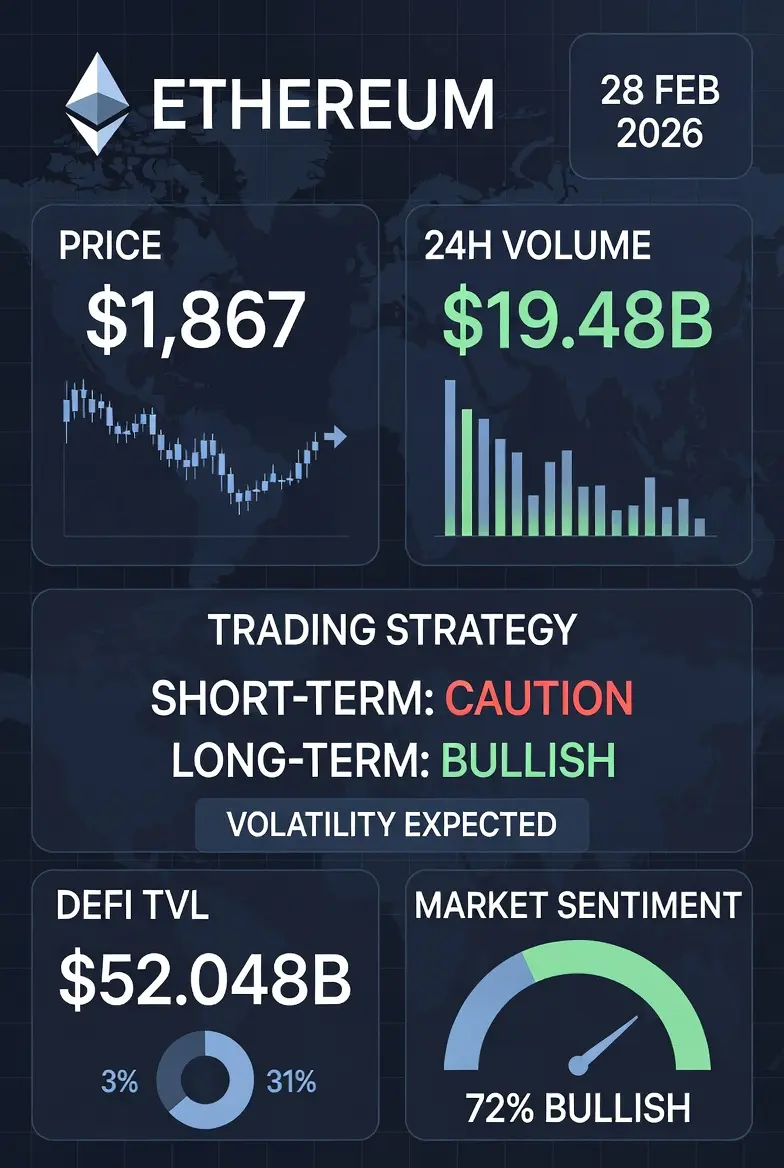
Ethereum’s network fundamentals continue to strengthen despite short-term market volatility. The deflationary burn mechanism, rising staking participation, and reduced effective supply contribute to a potential supply shock that could further support ETH prices. With a Total Value Locked (TVL) of $54 billion across the DeFi ecosystem, Ethereum remains the dominant platform for decentralized finance, underpinning its long-term growth narrative.
From a strategic perspective, Ethereum’s stability around $2,000 combined with technical momentum and institutional inflows suggests a balanced market profile. Short-term traders can leverage support and resistance zones to navigate volatility, while long-term investors benefit from protocol upgrades, network security, and staking yields.
Institutional adoption, combined with protocol innovations, reinforces Ethereum’s dual role as both a financial asset and a technological platform. With growing integration in DeFi, NFT marketplaces, and enterprise blockchain solutions, Ethereum’s ecosystem effect amplifies adoption and strengthens the utility of the native token. This convergence of technical, institutional, and network factors positions Ethereum for sustainable growth in 2026 and beyond.
Conclusion
In summary, Ethereum in Q1 2026 exhibits a resilient market structure underpinned by technical support, institutional activity, and strategic network upgrades. While short-term volatility persists, core fundamentals including staking, deflationary mechanics, and DeFi dominance signal ongoing structural growth. Traders and investors should monitor support levels ($1,900–$1,927) and resistance thresholds ($2,145–$2,200) for near-term market guidance, while keeping an eye on Glamsterdam and Hegota upgrades, which promise to enhance network efficiency, fairness, and scalability.
Ethereum’s position as the leading smart contract platform remains unchallenged, with institutional inflows, network innovation, and DeFi adoption creating a strong foundation for both price stability and long-term expansion. As 2026 unfolds, ETH continues to balance short-term trading dynamics with structural growth, cementing its role as a central asset in the crypto ecosystem.
The combination of technical support, institutional participation, and forward-looking upgrades makes Ethereum not only a resilient trading asset but also a cornerstone for decentralized applications, smart contracts, and the evolving financial landscape. By navigating this complex environment carefully, market participants can capitalize on both immediate opportunities and long-term growth potential in the Ethereum ecosystem.
As of February 2026, Ethereum (ETH) is demonstrating remarkable resilience amid macroeconomic pressures, evolving market sentiment, and upcoming protocol upgrades. Despite intermittent volatility, structural indicators point to a network that is strengthening steadily, both technically and institutionally, reinforcing Ethereum’s position as the leading smart contract platform.
Technical Analysis and Price Movements
In early 2026, Ethereum established the $2,000 level as a critical pivot, serving as both psychological support and reference for institutional activity. Following a temporary pullback toward $1,800, the market saw absorption by institutional buyers at these zones, allowing ETH to recover and stabilize above $2,000.
Key support zones are now observed between $1,900 and $1,927. A sustained close below this range could signal a retracement toward $1,770, potentially attracting additional accumulation at lower levels. On the upside, Ethereum faces structural resistance around $2,145 and $2,200. Breaching these thresholds on strong volume could trigger a short-term rally toward $2,500 in March.
Technical indicators are aligning for a potential rebound. The RSI (Relative Strength Index) has been recovering from oversold levels of approximately 29–33, indicating the potential for short-term relief rallies. This recovery suggests that downward momentum may be slowing, and bullish interest could dominate as ETH stabilizes around key support levels.
Institutional Adoption and ETF Liquidity
Institutional participation continues to shape Ethereum’s price dynamics. Spot Ethereum ETFs remain a major liquidity driver, influencing both inflows and outflows across the market. A temporary net outflow of $160 million observed in mid-February transitioned to net inflows by month-end, signaling renewed institutional confidence in ETH at current levels.
Prominent investors and institutions, including BlackRock (ETHA) and 21Shares, have been accumulating ETH, viewing the current price as a strategic entry point. This activity reinforces market confidence and highlights Ethereum’s credibility as an investment-grade digital asset. In the derivatives markets, options expiring around February 27 showed a “max pain” point near $2,200, suggesting that market makers could influence short-term price movements toward this level to optimize options positioning.
Institutional flows are critical for Ethereum because they bring liquidity, reduce volatility, and foster long-term market stability. The combination of ETF participation, strategic accumulation, and derivatives positioning indicates that ETH remains a primary focus for both traders and long-term holders.
Ethereum’s Technological Roadmap: Glamsterdam and Hegota Upgrades
The year 2026 is set to be transformative for Ethereum’s network architecture, driven by two major protocol upgrades.
Glamsterdam Upgrade (H1 2026): Scheduled for the first half of the year, this upgrade focuses on improving MEV (Maximal Extractable Value) fairness and optimizing Layer 1 efficiency through parallel transaction execution. The enhancement aims to reduce network congestion, provide more equitable block inclusion, and support faster transaction throughput, all of which are expected to bolster adoption among DeFi protocols and enterprise solutions.
Hegota Upgrade (H2 2026): Slated for late 2026, this upgrade emphasizes data pruning, privacy improvements, and censorship resistance. Discussions surrounding a potential increase in gas limits beyond 100 million suggest that scalability expectations remain high, potentially allowing Ethereum to handle greater transaction volumes while preserving decentralization and network security. Together, these upgrades signal Ethereum’s commitment to innovation and long-term competitiveness in a rapidly evolving blockchain ecosystem.
Strategic Implications and Market Outlook
Ethereum’s network fundamentals continue to strengthen despite short-term market volatility. The deflationary burn mechanism, rising staking participation, and reduced effective supply contribute to a potential supply shock that could further support ETH prices. With a Total Value Locked (TVL) of $54 billion across the DeFi ecosystem, Ethereum remains the dominant platform for decentralized finance, underpinning its long-term growth narrative.
From a strategic perspective, Ethereum’s stability around $2,000 combined with technical momentum and institutional inflows suggests a balanced market profile. Short-term traders can leverage support and resistance zones to navigate volatility, while long-term investors benefit from protocol upgrades, network security, and staking yields.
Institutional adoption, combined with protocol innovations, reinforces Ethereum’s dual role as both a financial asset and a technological platform. With growing integration in DeFi, NFT marketplaces, and enterprise blockchain solutions, Ethereum’s ecosystem effect amplifies adoption and strengthens the utility of the native token. This convergence of technical, institutional, and network factors positions Ethereum for sustainable growth in 2026 and beyond.
Conclusion
In summary, Ethereum in Q1 2026 exhibits a resilient market structure underpinned by technical support, institutional activity, and strategic network upgrades. While short-term volatility persists, core fundamentals including staking, deflationary mechanics, and DeFi dominance signal ongoing structural growth. Traders and investors should monitor support levels ($1,900–$1,927) and resistance thresholds ($2,145–$2,200) for near-term market guidance, while keeping an eye on Glamsterdam and Hegota upgrades, which promise to enhance network efficiency, fairness, and scalability.
Ethereum’s position as the leading smart contract platform remains unchallenged, with institutional inflows, network innovation, and DeFi adoption creating a strong foundation for both price stability and long-term expansion. As 2026 unfolds, ETH continues to balance short-term trading dynamics with structural growth, cementing its role as a central asset in the crypto ecosystem.
The combination of technical support, institutional participation, and forward-looking upgrades makes Ethereum not only a resilient trading asset but also a cornerstone for decentralized applications, smart contracts, and the evolving financial landscape. By navigating this complex environment carefully, market participants can capitalize on both immediate opportunities and long-term growth potential in the Ethereum ecosystem.